Degree Programs
Earn your degree online with flexible, engaging programs designed for working professionals.
All Programs
Not sure where to start?
Take our career assessment to find the perfect program for your goals.
Take Career AssessmentEarn your degree online with flexible, engaging programs designed for working professionals.
Take our career assessment to find the perfect program for your goals.
Take Career Assessment
Build a versatile academic foundation and hone essential skills for seamless transfer to a bachelor's degree or immediate career entry.
The Associate of Arts in General Studies program provides a robust liberal arts foundation, meticulously designed for students seeking a flexible and comprehensive educational experience that transcends specific vocational training. This degree cultivates essential intellectual skills, including advanced critical thinking, effective written and oral communication, and sophisticated problem-solving, which are invaluable in any academic or professional pursuit. Students will engage with a diverse curriculum spanning humanities, social sciences, and natural sciences, fostering a well-rounded understanding of the world and its complexities. This broad exposure is crucial for developing adaptability and a holistic perspective, preparing graduates not only for the rigors of a bachelor's degree but also for immediate entry into a variety of entry-level positions across different sectors. It serves as an excellent starting point for those unsure of their long-term academic or career path, offering a solid intellectual base from which to explore and grow. Throughout the program, students will delve into key topics that significantly enhance their analytical and interpretive abilities. Core courses typically include composition and rhetoric, providing a strong grounding in lucid written and oral communication; introductory psychology and sociology, offering critical insights into human behavior, social dynamics, and cultural phenomena; and history and literature, which develop profound cultural literacy and a critical appreciation of diverse global perspectives. Furthermore, mathematics and science courses sharpen logical reasoning, quantitative analysis, and scientific inquiry skills. The inherently interdisciplinary nature of the curriculum ensures that graduates develop a versatile skill set, including advanced research capabilities, ethical decision-making frameworks, and an enhanced capacity for understanding and addressing complex global issues. These competencies are highly valued by employers and universities alike, making graduates exceptionally marketable and well-prepared for advanced learning environments. A core strength of the Associate of Arts in General Studies is its exceptional preparation for seamless transfer to a four-year institution. The curriculum is meticulously designed to align with general education requirements for most bachelor's degree programs across various universities, ensuring a smooth and efficient transition for students wishing to pursue further studies in fields ranging from business administration and education to the arts, humanities, and sciences. This strategic alignment maximizes credit transfer, saving students time and financial resources. Beyond academic progression, this degree empowers individuals with the intellectual tools necessary for lifelong learning and informed, active civic engagement. Graduates emerge with an enhanced ability to critically evaluate information from multiple sources, engage in constructive dialogue, and adapt proactively to new challenges, attributes that are increasingly vital in today's rapidly evolving professional landscape. Ultimately, the Associate of Arts in General Studies is more than just a stepping stone; it is a foundational investment in personal and professional development. It cultivates a profound sense of intellectual curiosity and an appreciation for diverse perspectives, fostering personal growth alongside academic achievement. The flexibility of the program allows students to explore various disciplines before committing to a specialized major, providing a unique opportunity for self-discovery and informed decision-making about their future. Graduates are equipped with highly transferable skills that open doors to a wide array of entry-level positions and provide a competitive edge in a dynamic job market, demonstrating their capacity for adaptability, comprehensive understanding, and continuous learning. This degree truly prepares individuals to thrive in a complex world, whether in academia, their chosen career, or their personal lives.

Gain the essential legal knowledge and practical skills to launch a rewarding career as a paralegal, supporting legal professionals in diverse settings.
The Associate of Applied Science (AAS) in Paralegal Studies program is meticulously designed to equip aspiring legal professionals with the foundational knowledge and practical skills essential for a successful career in today's dynamic legal landscape. This comprehensive program prepares students to become invaluable assets to law firms, corporate legal departments, government agencies, and non-profit organizations. Through a rigorous curriculum, students will delve into core legal principles, develop critical thinking abilities, and master the day-to-day tasks that underpin legal practice. The AAS degree emphasizes a hands-on approach, ensuring graduates are not only knowledgeable about legal theory but also proficient in its real-world application, ready to contribute effectively from day one. Students in this program will engage with a broad spectrum of legal disciplines, including an in-depth exploration of legal research methodologies, mastering both traditional and electronic databases to locate pertinent statutes, cases, and regulations. A significant focus is placed on civil litigation, guiding students through the entire lifecycle of a lawsuit, from initial client intake and discovery to trial preparation and post-judgment procedures. The curriculum also extensively covers the intricacies of legal document preparation, ensuring proficiency in drafting pleadings, motions, contracts, and correspondence. Furthermore, ethical considerations are woven throughout all courses, providing a strong understanding of professional responsibility and the ethical boundaries governing paralegal conduct. Beyond theoretical knowledge, the AAS in Paralegal Studies cultivates a robust set of practical skills vital for success in the legal field. Students will hone their analytical reasoning to dissect complex legal problems, develop superior written and oral communication abilities for drafting precise legal documents and interacting with clients and colleagues, and cultivate meticulous organizational skills essential for managing vast amounts of legal information. The program also integrates training in legal technology, including case management software, e-discovery tools, and advanced research platforms, preparing graduates for the tech-driven demands of modern legal practice. These competencies are developed through case studies, mock legal scenarios, and practical assignments, mirroring the challenges and responsibilities paralegals face daily. Graduates of the Associate of Applied Science in Paralegal Studies program emerge as highly competent and ethical legal support professionals, ready to make immediate contributions to the legal community. This degree serves as a direct pipeline to rewarding entry-level and mid-level paralegal positions, offering a solid foundation for career growth and specialization within various legal sectors. By mastering the art of legal research, document drafting, and case management, students become indispensable members of legal teams, empowering attorneys to deliver high-quality legal services efficiently. This program is not just about learning law; it's about developing a professional identity grounded in integrity, analytical rigor, and practical expertise, opening doors to a fulfilling and impactful career.

Launch your career in law enforcement, corrections, or public safety with foundational knowledge and practical skills.
The Associate of Applied Science (AAS) in Criminal Justice program is meticulously designed to equip students with the essential knowledge and practical skills required for entry-level positions within the dynamic fields of law enforcement, corrections, and public safety. This comprehensive program delves into the core components of the American justice system, providing a robust understanding of its structure, functions, and challenges. Students will explore foundational concepts in criminal law, judicial processes, and correctional theories, preparing them for roles where critical thinking and ethical decision-making are paramount. The curriculum emphasizes real-world applications, ensuring graduates are ready to contribute effectively to maintaining order and upholding justice within their communities. Throughout the program, key topics covered include criminal investigations, constitutional law as it applies to policing, criminology, and the sociology of crime. Students will develop crucial analytical and problem-solving abilities through case studies and scenario-based learning, learning to interpret legal statutes, collect and analyze evidence, and understand offender behavior. Ethical considerations in policing and corrections are thoroughly examined, fostering a strong sense of professional responsibility and integrity. Furthermore, effective communication skills, both written and oral, are honed, which are vital for report writing, interviewing, and interacting with diverse populations in high-stakes environments. Graduates of this AAS program will emerge with a well-rounded understanding of the interconnectedness of law enforcement, the courts, and correctional facilities, positioning them for immediate employment or as a solid foundation for further academic pursuits. The program not only focuses on theoretical knowledge but also on developing the practical competencies necessary for navigating complex legal and social situations. This degree is particularly vital in today's society, where skilled criminal justice professionals are continuously needed to address evolving public safety concerns, implement effective crime prevention strategies, and ensure fair and equitable treatment within the justice system. The curriculum is structured to provide a blend of theoretical understanding and vocational training, ensuring students are not just knowledgeable but also capable practitioners. You will gain proficiency in areas such as victim advocacy, community relations, and understanding diverse cultural perspectives within the justice system, which are increasingly important for effective public service. The program also prepares individuals for the rigorous demands of academy training or direct entry into administrative support roles. By fostering a deep appreciation for justice, ethics, and service, this AAS degree empowers individuals to embark on a meaningful career path dedicated to protecting and serving their communities.

Master the foundational skills in civil engineering technology, preparing for essential roles in infrastructure development and construction management.
The Associate of Applied Science (AAS) in Civil Engineering Technology program provides a robust foundation for individuals aspiring to contribute significantly to the built environment. This hands-on degree emphasizes practical skills and theoretical knowledge essential for supporting civil engineers, project managers, and construction supervisors. Students will delve into critical areas such as construction materials science, methods, and project scheduling, gaining a comprehensive understanding of the entire construction lifecycle from initial planning and cost estimation to execution and quality control. A significant component involves mastering modern surveying techniques, utilizing advanced equipment like total stations, GPS, and drones for precise site layout, land measurement, and topographical mapping, which are indispensable for any infrastructure project. This foundational training prepares graduates to step directly into roles that require immediate technical proficiency and a strong grasp of industry best practices. Beyond foundational principles, the curriculum rigorously explores structural design concepts, enabling students to interpret complex blueprints, perform basic structural analysis, and understand the integrity and load-bearing capacities of various building components and infrastructure elements. They will gain advanced proficiency in computer-aided design (CAD) and building information modeling (BIM) software, translating engineering specifications into detailed technical drawings, 3D models, and construction documents. Project management principles are thoroughly integrated throughout the program, teaching students how to assist with planning, organizing, and overseeing civil engineering projects, ensuring they are completed efficiently, on time, and within budget while adhering to regulatory standards. Emphasis is placed on developing robust problem-solving abilities, critical thinking, and effective communication skills, vital for collaborating with diverse teams and stakeholders in the engineering and construction sectors. This program is meticulously designed to bridge the gap between theoretical engineering principles and their practical application in the field. Graduates will be equipped with the technical expertise to support a wide range of civil engineering projects, from the design and construction of roads, bridges, and public utilities to commercial buildings and environmental infrastructure. The curriculum's focus on real-world scenarios, industry-standard tools, and current software ensures that students are not just knowledgeable but also highly employable upon completion. By fostering a deep understanding of safety regulations, ethical practices, and sustainable engineering solutions, the AAS in Civil Engineering Technology prepares competent, adaptable professionals ready to make immediate and meaningful contributions to the advancement and maintenance of modern society's essential infrastructure, shaping the communities of tomorrow.

Master the fundamentals of mechanical design, manufacturing, and HVAC systems to launch a rewarding career in engineering technology.
The Associate of Applied Science (AAS) in Mechanical Engineering Technology program offers a dynamic and hands-on pathway for individuals passionate about the practical application of engineering principles. This comprehensive degree is meticulously designed to equip students with the essential knowledge and technical skills required to excel in various mechanical industries. Students will delve into fundamental concepts of machine design, understanding how mechanical components are conceptualized, analyzed, and optimized for performance and durability. The curriculum places a strong emphasis on manufacturing processes, enabling graduates to comprehend and contribute to the efficient production of goods, from initial material selection to final assembly. Furthermore, the program provides a robust foundation in heating, ventilation, and air conditioning (HVAC) systems, preparing students to work with complex environmental control technologies. This program bridges the gap between theoretical engineering and practical implementation, preparing graduates to be highly effective contributors in technical roles. A core component of this AAS program is the intensive training in Computer-Aided Design (CAD) and Computer-Aided Manufacturing (CAM). Students will gain proficiency in industry-standard software, mastering 2D drafting and 3D modeling techniques crucial for product development and communication. Beyond design, the curriculum explores material science, allowing students to select appropriate materials based on application requirements, and introduces principles of statics, dynamics, and strength of materials to ensure structural integrity in designs. Practical skills extend to manufacturing processes, including machining, fabrication, and quality control methodologies, ensuring graduates understand the full product lifecycle. Furthermore, students will study thermodynamics and fluid mechanics, foundational sciences for understanding energy transfer and system behavior, particularly relevant in the design and maintenance of HVAC systems and other mechanical equipment. This blend of design, analysis, and production skills prepares students for immediate impact in the workforce. Graduates of the Mechanical Engineering Technology program will emerge with a versatile skill set highly sought after in today's industrial landscape. They will be adept at interpreting engineering drawings, performing technical calculations, operating specialized equipment, and troubleshooting mechanical and HVAC systems. The program's focus on practical application ensures students can translate theoretical knowledge into tangible solutions, whether it's designing a new component, optimizing a production line, or diagnosing a complex mechanical malfunction. This degree is ideal for individuals aiming for immediate entry into roles that support engineers in design, development, testing, and manufacturing across diverse sectors such as aerospace, automotive, energy, robotics, and consumer product industries. It provides a solid educational foundation that not only prepares them for rewarding entry-level positions but also offers a strong stepping stone for continued professional development or further academic pursuits in engineering fields.

Build foundational expertise in circuit analysis, electronics, power systems, and automation to launch your career in vital electrical engineering technology roles.
The Associate of Applied Science (AAS) in Electrical Engineering Technology program is meticulously designed to equip students with the practical skills and theoretical knowledge required to excel in the dynamic field of electrical systems. This hands-on program emphasizes real-world applications, preparing graduates to immediately contribute to various industries. Students will delve into fundamental principles of electricity and magnetism, mastering essential concepts such as Ohm's Law, Kirchhoff's laws, and basic circuit components. The curriculum provides a robust foundation in both AC and DC circuit analysis, ensuring a deep understanding of how electrical systems function. Through laboratory exercises and project-based learning, students develop critical problem-solving abilities and a keen eye for detail, essential for troubleshooting and maintaining complex electrical equipment. Building upon core electrical principles, the program transitions into the exciting realm of electronics, covering both analog and digital systems. Students will gain proficiency in analyzing and designing circuits utilizing semiconductors, including diodes, transistors, and operational amplifiers, which form the backbone of modern electronic devices. The curriculum also introduces digital logic, exploring gates, combinational and sequential circuits, and the fundamentals of microcontrollers. This segment is crucial for understanding how electronic components are integrated into control systems, communication networks, and embedded applications. Practical experience with breadboarding, soldering, and using industry-standard test equipment like oscilloscopes and multimeters is heavily emphasized, ensuring graduates are adept at assembling, testing, and debugging electronic circuits. Further expanding their expertise, students will explore the critical areas of power systems and industrial automation. The power systems module covers topics from electrical power generation and transmission to distribution and safety protocols, including understanding three-phase power, transformers, and protective devices. Emphasizing workplace safety and compliance with electrical codes is paramount. Concurrently, the program introduces industrial automation, focusing on programmable logic controllers (PLCs), sensors, actuators, and motor controls. Students learn to program and interface these components to automate manufacturing processes, robotics, and other industrial applications. This blend of power systems and automation prepares graduates for roles in manufacturing, utilities, and process control, where efficiency and reliability are key. Throughout the Associate of Applied Science in Electrical Engineering Technology program, students develop a robust set of transferable skills highly valued by employers. These include advanced troubleshooting techniques for electrical and electronic systems, the ability to interpret schematics and technical documentation, proficiency in using specialized diagnostic tools, and practical experience in system installation and maintenance. Graduates will possess strong analytical capabilities, enabling them to diagnose faults, optimize system performance, and contribute to design modifications. This comprehensive education, blending theoretical knowledge with extensive hands-on laboratory work, prepares individuals for immediate entry into diverse technical roles, serving as a vital link between engineers and production, ensuring the smooth operation of essential electrical and electronic infrastructure across various industries.

Master essential engineering principles and advanced manufacturing techniques to launch a dynamic career in technology.
The Associate of Applied Science (AAS) in Engineering Technology program is meticulously designed for individuals passionate about applying scientific and engineering principles to real-world technical challenges. This comprehensive degree provides a robust foundation in core engineering fundamentals, preparing students for immediate entry into diverse technical roles within manufacturing, design, and product development sectors. Students will delve into subjects like applied physics, technical mathematics, and materials science, establishing a strong theoretical bedrock essential for understanding complex engineering systems. The curriculum is structured to bridge the gap between theoretical knowledge and practical application, fostering critical thinking and problem-solving abilities from the outset. A cornerstone of this program is the intensive training in Computer-Aided Design (CAD) and Computer-Aided Manufacturing (CAM) systems. Students will gain proficiency in industry-standard software to create, analyze, and optimize designs, and then translate those designs into manufacturing instructions. This hands-on experience extends to mastering various manufacturing processes, including machining, additive manufacturing, and assembly techniques, equipping graduates with the practical skills demanded by modern industries. The program emphasizes process optimization, efficiency, and the utilization of advanced technological tools, ensuring students are well-versed in the latest production methodologies. Furthermore, the AAS in Engineering Technology places significant emphasis on quality control and assurance methodologies. Students will learn to implement statistical process control, conduct inspections, and troubleshoot production issues to maintain high product standards and operational excellence. This focus on precision, reliability, and continuous improvement is vital for success in today's competitive technological landscape. Graduates will develop a keen understanding of industry standards, safety protocols, and ethical considerations, making them highly adaptable and valuable assets to any engineering or manufacturing team. The program culminates in practical projects that simulate real-world scenarios, solidifying learned concepts. Upon completion, graduates will possess a versatile skill set encompassing technical drawing, prototyping, process analysis, and data interpretation, essential for contributing to product lifecycle management. This program not only prepares students for immediate employment in technician and technologist roles but also lays a solid groundwork for those wishing to pursue further education, such as a bachelor's degree in engineering technology or a related field. It empowers individuals to become vital contributors to innovation and operational efficiency, making them sought-after professionals in a rapidly evolving global economy.

Launch your career in the dynamic world of marketing with a practical Associate's degree focused on digital strategies and brand building.
The Associate of Applied Science (AAS) in Marketing is a comprehensive program designed for aspiring professionals eager to enter the fast-paced and ever-evolving marketing industry. This degree provides a robust foundation in essential marketing principles while emphasizing practical, hands-on skills directly applicable to today's job market. Students will explore the core concepts of consumer behavior, marketing strategy, and market analysis, preparing them to understand and respond effectively to diverse market demands. The curriculum is meticulously crafted to equip learners with the critical thinking and analytical tools necessary to thrive in various marketing roles, setting the stage for immediate career entry or further academic pursuits. A significant focus of the AAS in Marketing program is on the cutting-edge disciplines that define modern marketing. Students will dive deep into digital marketing techniques, mastering search engine optimization (SEO), pay-per-click (PPC) advertising, and email marketing campaigns. A dedicated segment explores social media marketing, teaching strategies for platform-specific engagement, content creation, and community management across leading social channels. The program also hones critical skills in market research, enabling students to gather, analyze, and interpret data to inform strategic decisions. Furthermore, learners will develop a keen understanding of brand management principles, learning how to build, maintain, and enhance brand equity in competitive landscapes. Throughout the program, students engage in project-based learning that simulates real-world marketing challenges, allowing them to apply theoretical knowledge to practical scenarios. This experiential approach ensures graduates possess a portfolio of work demonstrating their proficiency in areas such as campaign development, digital analytics reporting, and strategic branding initiatives. The AAS in Marketing is ideal for individuals seeking to quickly gain employable skills and make a tangible impact in entry-level marketing positions. It bridges the gap between academic theory and industry practice, fostering a blend of creative problem-solving and data-driven decision-making essential for success in today's marketing ecosystem. Graduates of this Associate of Applied Science program will emerge with a comprehensive skill set that makes them highly competitive for various roles in agencies, corporate marketing departments, and entrepreneurial ventures. Beyond technical proficiency, the curriculum cultivates essential soft skills such as communication, teamwork, and ethical decision-making, which are paramount in any professional marketing environment. This degree not only opens doors to immediate employment but also provides a strong academic foundation should students choose to pursue a bachelor's degree in marketing or a related business field. It is a strategic investment for anyone looking to build a dynamic career at the forefront of marketing innovation.

Master essential financial accounting principles and practical bookkeeping skills to launch a rewarding career in the dynamic world of finance.
The Associate of Applied Science (AAS) in Accounting program is meticulously designed to equip students with the essential, hands-on skills required for successful entry-level careers in the dynamic accounting profession. This comprehensive program provides a robust foundation in core accounting principles, enabling students to master the fundamental concepts of financial accounting and practical bookkeeping. Learners will delve into the accurate recording of financial transactions, the meticulous preparation of vital financial statements such as balance sheets, income statements, and statements of cash flow, and gain a thorough understanding of the overarching accounting cycles that govern business operations. The curriculum emphasizes a practical, application-driven approach, ensuring graduates are not only familiar with theoretical knowledge but also proficient in applying these principles to solve real-world business scenarios, preparing them for immediate impact in diverse organizational settings. Beyond foundational bookkeeping, the AAS in Accounting curriculum expands into critical specialized areas that are highly valued in today's competitive job market. Students will gain in-depth knowledge and practical expertise in tax preparation, covering the intricacies of individual and small business tax returns, and learning to navigate the complexities of federal and state tax regulations. A significant component of the program focuses on comprehensive payroll management, teaching students how to accurately calculate wages, manage various deductions, process benefits, and handle all related regulatory reporting and compliance issues. Furthermore, the program integrates intensive training in industry-standard accounting software, such as QuickBooks, alongside advanced spreadsheet applications like Microsoft Excel, ensuring students develop vital proficiency in the technological tools essential for efficient financial data management, robust analysis, and precise reporting in modern business environments. Graduates of the Associate of Applied Science in Accounting program emerge with a highly marketable and immediately applicable skill set, ready to contribute effectively to various industries, from small businesses and non-profits to large corporations and government agencies. This degree serves as an excellent and efficient pathway for individuals seeking to launch their careers quickly, providing the specific competencies and practical experience that employers demand for roles in financial record-keeping, comprehensive payroll services, and vital tax preparation. It also offers a solid educational base for those who may wish to pursue further education, such as a Bachelor's degree in Accounting or Business Administration, allowing for significant upward mobility and expanded career opportunities within the financial sector. The program's unwavering focus on practical application, ethical considerations, and industry relevance ensures that students are exceptionally well-prepared for the challenges and rewards of a professional accounting career.

Launch your business career with foundational knowledge in management, operations, marketing, and finance.
The Associate of Applied Science (AAS) in Business Administration program is meticulously designed to equip students with a robust foundational understanding of essential business principles and practices, preparing them for immediate entry into various professional roles. This comprehensive degree serves as an invaluable stepping stone for individuals aspiring to enter the dynamic world of business, transition careers, or enhance their current professional capabilities. Students will immerse themselves in critical areas such as general business operations, strategic management principles, fundamental accounting practices, and core marketing concepts. The curriculum is crafted to provide a holistic view of how businesses function, from daily operational tasks and resource allocation to broader strategic decision-making and customer engagement, ensuring graduates possess a well-rounded skill set applicable across a multitude of industries and organizational structures. Throughout the program, students will develop crucial analytical and problem-solving skills, learning to dissect complex business scenarios, interpret data, and formulate effective, evidence-based solutions. Courses delve into practical applications, teaching students how to interpret financial statements, conduct basic market analysis to identify trends, and understand consumer behavior patterns. Emphasis is placed on developing strong communication skills, both written and oral, which are essential for effective team collaboration, presenting compelling business proposals, and interacting professionally with clients and stakeholders. Furthermore, the curriculum introduces students to ethical considerations in business, fostering responsible decision-making and an understanding of corporate social responsibility, preparing them to navigate the complexities of the modern business environment with integrity. This Associate of Applied Science degree is particularly valuable for individuals seeking immediate entry into entry-level and mid-level administrative and operational roles across diverse sectors, including retail, finance, healthcare, technology, and non-profit organizations. The practical, hands-on nature of the curriculum ensures that graduates are job-ready, possessing the competencies employers seek in today's competitive landscape, such as organizational efficiency, customer service excellence, and basic project coordination. Beyond immediate employment, the AAS in Business Administration also provides a solid academic foundation for those who wish to pursue a bachelor's degree in business administration or a related field, allowing for seamless transfer of credits to many four-year institutions. It empowers individuals to build a strong professional profile, accelerate their career trajectory, and adapt to evolving business demands.

Launch your career in the dynamic world of web development, mastering front-end, back-end, and responsive design techniques.
The Associate of Applied Science (AAS) in Web Development program is meticulously designed to equip students with the foundational and advanced skills necessary to thrive in the rapidly evolving digital landscape. This comprehensive program begins by immersing learners in the core principles of front-end development, where they will master hypertext markup language (HTML) for structuring web content, cascading style sheets (CSS) for visual presentation, and JavaScript for interactive user experiences. Students will gain practical expertise in crafting visually appealing and highly functional interfaces, ensuring websites are not only aesthetically pleasing but also intuitive and user-friendly across various devices and screen sizes through responsive design techniques. Emphasizing best practices in user interface (UI) and user experience (UX) design, this program lays a robust groundwork for building the interactive web. Building upon front-end proficiencies, the curriculum transitions into the intricate world of back-end development, providing students with the knowledge to create robust, data-driven web applications. Learners will explore server-side programming languages, understanding how to manage databases, construct efficient application programming interfaces (APIs), and implement secure data handling practices. This segment of the program focuses on the critical logic that powers dynamic websites, enabling students to process user requests, interact with databases, and ensure seamless communication between the client-side and server-side components. Graduates will be adept at building scalable and secure server architectures, which are essential for any modern web application and form the backbone of online functionality. Beyond foundational concepts, the AAS in Web Development delves into contemporary frameworks and tools that define the modern web development ecosystem. Students will gain hands-on experience with popular front-end frameworks (e.g., React, Angular, Vue.js) and back-end technologies, empowering them to develop complex single-page applications and sophisticated web services. The program also covers crucial development methodologies, including version control systems like Git, agile development practices, and deployment strategies, preparing students for collaborative team environments and real-world project delivery. Through project-based learning, students will apply their knowledge to solve practical problems, debug code efficiently, and optimize web application performance, ensuring they are job-ready upon completion. This Associate of Applied Science degree is more than just a collection of courses; it's a direct pathway to a rewarding career in a high-demand industry. Graduates will emerge with a comprehensive portfolio showcasing their abilities to design, develop, and deploy full-stack web solutions. The program emphasizes critical thinking, problem-solving, and continuous learning, traits vital for success in the ever-evolving technology sector. Whether aiming to launch a career immediately or pursue further education, this AAS provides a strong, practical foundation, making graduates highly competitive candidates for entry-level positions and preparing them for the challenges and innovations of the digital age. It bridges the gap between theoretical knowledge and practical application, fostering confident and capable web development professionals.

Launch your IT career with practical skills in support, systems, and networking, preparing you for essential roles in today's tech-driven world.
The Associate of Applied Science (AAS) in Information Technology program is meticulously designed to equip aspiring professionals with the foundational knowledge and practical skills essential for thriving in today's dynamic tech landscape. Students will embark on a comprehensive journey, learning the core principles of IT support, systems administration, and network management. This program emphasizes a hands-on approach, ensuring graduates are not only familiar with theoretical concepts but are also proficient in applying them to real-world scenarios. You will gain expertise in hardware and software troubleshooting, operating system deployment and maintenance, and fundamental network configuration, preparing you to tackle common IT challenges with confidence and competence. This associate's degree serves as a critical stepping stone into a rewarding career, directly addressing the urgent demand for skilled IT professionals across all sectors of the economy. Throughout the comprehensive curriculum, students will dive deep into crucial topics that underpin modern IT infrastructure and operations. Key areas of study include understanding network protocols and topologies, implementing robust cybersecurity fundamentals to protect digital assets and user privacy, and exploring the essentials of cloud computing environments and virtualization. The program also introduces basic database management concepts, effective technical documentation practices, and principles of project management within an IT context. Practical skills developed include advanced troubleshooting techniques for diverse IT issues, configuring and maintaining server environments, and providing exceptional technical support to end-users, translating academic learning into tangible, job-ready proficiencies through extensive lab work and practical projects. This AAS in Information Technology is more than just a degree; it's a direct pathway to a fulfilling and in-demand career. Graduates will be prepared for a variety of entry-level and mid-level IT roles, equipped with the ability to manage IT systems, secure networks, and troubleshoot complex technical problems efficiently and effectively. The program's strong focus on industry best practices, current technologies, and professional communication ensures that students are immediately valuable to employers upon graduation. Furthermore, this associate's degree provides an excellent foundation for those who wish to pursue further education, offering a seamless transition into bachelor's degree programs in areas like Information Technology, Cybersecurity, or Network Engineering, thereby significantly expanding future career opportunities and specialization options within the ever-evolving tech industry.

Master foundational cybersecurity principles and practical techniques to defend digital assets and embark on a vital career in network protection.
The Associate of Applied Science (AAS) in Cybersecurity program provides a robust foundation for individuals passionate about protecting digital information and infrastructure. Designed for immediate entry into the workforce, this program equips students with essential skills in identifying, preventing, and responding to cyber threats. You will delve into core areas such as network security fundamentals, operating system vulnerabilities, and basic cryptographic principles. This curriculum emphasizes practical application, ensuring graduates are prepared to contribute effectively to an organization's security posture from day one. It's an ideal starting point for those seeking a dynamic career in a rapidly expanding field critical to global digital safety. Students will immerse themselves in critical topics including ethical hacking and penetration testing, learning how to identify system weaknesses from an attacker's perspective to build stronger defenses. The curriculum also covers security operations, teaching best practices for monitoring systems, detecting intrusions, and managing security incidents effectively. You will gain hands-on experience with industry-standard tools for threat analysis, digital forensics, and secure system administration. This practical approach ensures proficiency in evaluating security controls, mitigating risks, and understanding the complex landscape of modern cyber threats across various platforms and environments. Through a blend of theoretical knowledge and extensive hands-on lab work, students will develop strong analytical and problem-solving skills crucial for cybersecurity professionals. You will learn to conduct vulnerability assessments, implement security protocols, and perform basic incident response procedures. The program emphasizes critical thinking in evaluating security risks and designing resilient solutions. Furthermore, it instills an understanding of legal and ethical considerations in cybersecurity, preparing graduates to navigate the complexities of data privacy and compliance. This program is vital for addressing the severe shortage of skilled cybersecurity professionals, equipping you with the expertise to safeguard valuable digital assets in an increasingly interconnected world. Upon completion of the Associate of Applied Science in Cybersecurity, graduates will be well-prepared for entry-level positions within a wide array of industries, from government agencies to private corporations. The applied nature of this degree means you'll possess directly transferable skills, making you an immediate asset to any organization facing digital security challenges. This program not only opens doors to immediate employment but also serves as an excellent stepping stone for those who wish to pursue a bachelor's degree in cybersecurity or a related field, providing a solid academic and practical foundation. Join the ranks of essential professionals dedicated to protecting our digital future.

Launch your tech career with foundational skills in programming, software development, database management, and web technologies.
The Associate of Applied Science (AAS) in Computer Science is a dynamic and career-focused program designed to equip aspiring technologists with the foundational skills and knowledge essential for entry-level positions in the rapidly evolving tech industry. This program focuses on building a robust understanding of core computer science principles, emphasizing hands-on application and problem-solving. Students will dive deep into programming fundamentals, mastering languages crucial for developing efficient and scalable software solutions. The curriculum is meticulously crafted to provide a solid base in computational thinking, algorithm design, and structured programming, ensuring graduates are well-prepared to tackle real-world challenges from day one. This associate degree serves as a direct pathway to a rewarding career, providing immediate value in the job market. A significant component of the AAS in Computer Science involves immersive training in software development methodologies. Students will learn to apply object-oriented programming concepts, understand data structures, and develop robust, maintainable code. Furthermore, the program delves into critical areas such as database management, where students gain proficiency in designing, implementing, and querying relational and non-relational databases using industry-standard tools and languages like SQL. This comprehensive approach ensures graduates possess a versatile skill set, capable of understanding and managing the data backbone of modern applications, a critical competency for any tech professional. The program also places a strong emphasis on modern web development, covering both front-end and back-end technologies. Students will learn to build interactive user interfaces using HTML, CSS, and JavaScript frameworks, alongside server-side programming for creating dynamic web applications. Through project-based learning, students will simulate real-world development cycles, fostering strong analytical, logical reasoning, and debugging abilities. This practical approach cultivates an innovative mindset and hones collaborative skills vital for effective teamwork in professional development environments, preparing them to contribute to a wide array of digital projects. Ultimately, this Associate of Applied Science degree is specifically tailored to launch graduates into a successful career in technology. It provides highly sought-after skills that are immediately applicable in the workforce, enabling students to build a compelling portfolio of projects that demonstrate their capabilities to potential employers. Graduates will emerge with the confidence and competence to contribute effectively to software development teams, web design agencies, IT departments, and various tech-driven organizations. The program's design also offers a strong academic foundation, facilitating a seamless transition for those wishing to pursue a bachelor's degree. Investing in this AAS program means investing in a future-proof career, equipping individuals with the tools to innovate and succeed in the digital economy.

Empower patients to regain mobility and improve quality of life through hands-on rehabilitation expertise.
The Associate of Applied Science (AAS) in Physical Therapist Assistant program is meticulously designed to prepare compassionate and skilled healthcare professionals to work under the direct supervision of a licensed Physical Therapist. This rigorous program provides students with the foundational knowledge and practical skills necessary to assist patients in recovering from injuries, illnesses, and surgeries, helping them regain movement, manage pain, and prevent disability. Students will delve into the principles of rehabilitation therapy, learning how to implement individualized treatment plans that empower patients to achieve their highest level of physical function and independence. This degree is a direct pathway into a rewarding career dedicated to improving the quality of life for diverse patient populations, making a tangible difference in people's lives. The curriculum is meticulously structured to cover essential scientific and clinical domains critical for effective patient care. Key topics include human anatomy and physiology, kinesiology, therapeutic exercise principles, and various physical agent modalities such as ultrasound, electrical stimulation, and cryotherapy. Students will also gain proficiency in therapeutic procedures, including gait training, balance activities, and manual therapy techniques. A strong emphasis is placed on understanding pathologies and their impact on movement, enabling graduates to effectively adapt treatment interventions based on patient needs and the physical therapist's established plan of care. This comprehensive approach ensures a deep understanding of the scientific basis of physical therapy interventions. Throughout the program, students will develop a robust set of hands-on and critical thinking skills crucial for success in the field. This includes mastering patient assessment techniques, practicing safe and effective therapeutic interventions, and honing observational skills to monitor patient responses to treatment. Communication skills are paramount, and students will learn to effectively interact with patients, their families, and other healthcare professionals, contributing to a collaborative care environment. Ethical considerations, professional behavior, and adherence to legal standards are integrated into all aspects of the curriculum, preparing graduates to uphold the highest standards of professional practice in diverse clinical settings. Beyond theoretical knowledge, the AAS in Physical Therapist Assistant program integrates extensive clinical education experiences, allowing students to apply classroom learning in real-world settings. These supervised clinical rotations provide invaluable opportunities to work directly with patients across various healthcare environments, including hospitals, outpatient clinics, skilled nursing facilities, and rehabilitation centers. This practical exposure fosters clinical reasoning, adaptability, and confidence, ensuring graduates are well-prepared to enter the workforce as competent and compassionate PTAs. The program emphasizes a patient-centered approach, blending scientific understanding with empathy to facilitate meaningful recovery journeys for individuals across the lifespan.

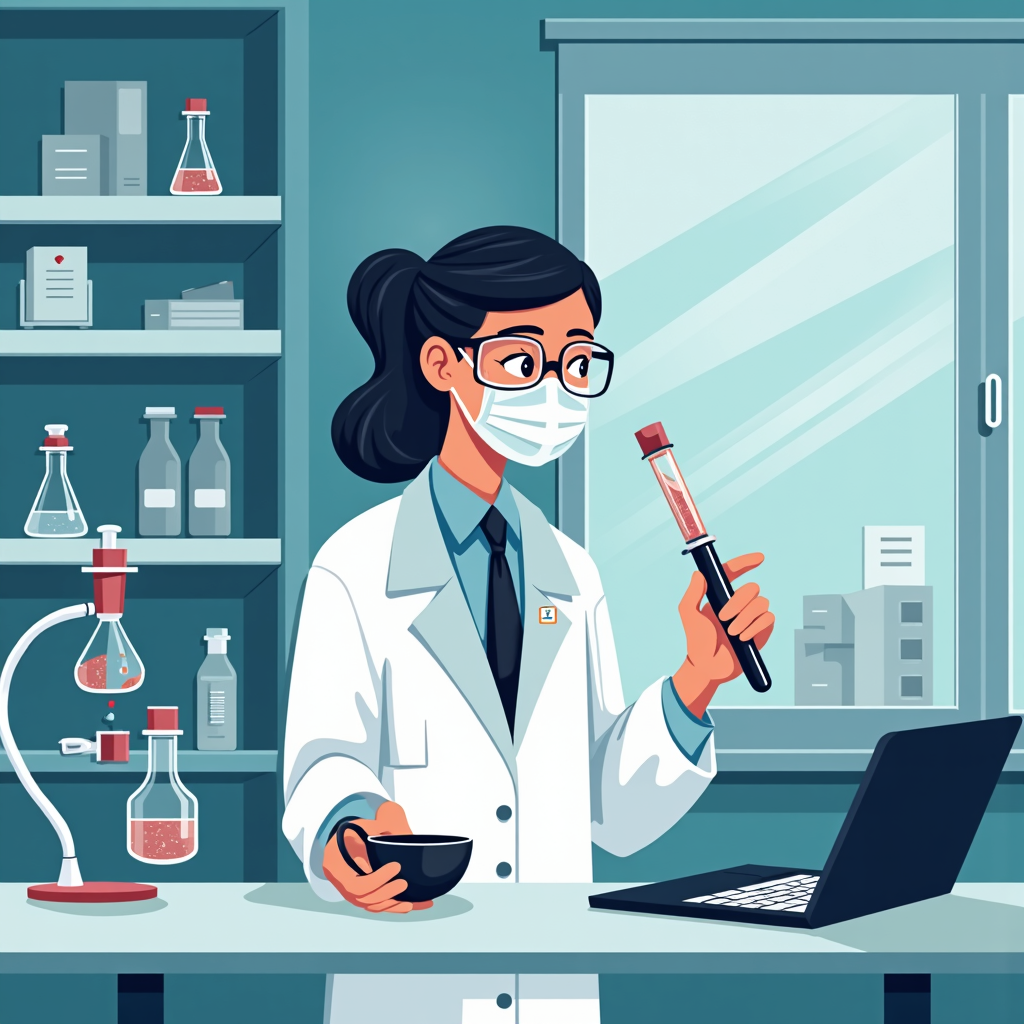
Unlock a vital role in healthcare diagnostics with hands-on training in clinical laboratory testing and analysis.
The Associate of Applied Science (AAS) in Medical Laboratory Technology program offers a rigorous and comprehensive training pathway for individuals aspiring to become vital members of the healthcare diagnostics team. Medical Laboratory Technicians (MLTs) play an indispensable role by performing a vast array of laboratory tests that are critical for the accurate diagnosis, effective treatment, and proactive prevention of diseases. This program is meticulously designed to equip students with both the theoretical knowledge and the essential practical skills required to proficiently analyze biological specimens, expertly operate sophisticated laboratory instrumentation, and steadfastly ensure the utmost quality and reliability of all test results. Students will gain a deep understanding of fundamental scientific principles, preparing them for a dynamic and demanding career where precision, attention to detail, and a commitment to accuracy are paramount in contributing directly to superior patient care outcomes. Throughout the robust curriculum, students will delve deeply into core laboratory disciplines, including clinical chemistry, which measures chemical components in bodily fluids; hematology, the study of blood and blood-forming tissues; medical microbiology, focusing on disease-causing microorganisms; immunology, the study of the immune system; and immunohematology, commonly known as blood banking. Hands-on laboratory sessions are a cornerstone of the program, providing invaluable opportunities for students to develop advanced proficiency in specimen collection and processing, microscopic examination of blood and various body fluids, precise identification of pathogenic microorganisms, and accurate performance of various chemical analyses. A strong emphasis is placed on cultivating critical thinking skills, problem-solving abilities, and a comprehensive understanding of stringent quality control and assurance protocols, thereby ensuring that graduates can consistently maintain the highest standards of laboratory practice and patient safety. Furthermore, the program integrates crucial instruction on laboratory safety regulations, ethical considerations in patient testing, and adherence to regulatory compliance standards, comprehensively preparing students for responsible and professional practice in diverse clinical settings. Graduates of the AAS in Medical Laboratory Technology program emerge as highly competent and sought-after professionals, fully prepared to enter a high-demand and evolving healthcare field. This program is profoundly important because it directly addresses the critical national need for skilled and certified laboratory personnel across various healthcare infrastructures, including hospitals, outpatient clinics, independent reference laboratories, and public health agencies. The curriculum is meticulously structured to meet and exceed professional accreditation standards, thereby preparing students not only for immediate, impactful employment but also for successful completion of national certification examinations, which are frequently a prerequisite for professional practice. Beyond the rigorous technical proficiencies, the program also diligently cultivates essential soft skills, including professionalism, effective communication abilities, and a strong commitment to continuous professional development and lifelong learning. These attributes are vital, enabling graduates to adeptly adapt to rapidly evolving laboratory technologies, advancements in diagnostic methodologies, and new regulatory requirements. Equipped with a blend of scientific expertise, practical skills, and professional readiness, MLT graduates are empowered to make significant, tangible contributions to patient well-being, public health initiatives, and the overall efficiency of healthcare systems. Their work provides the critical data that physicians rely on to make informed decisions, directly impacting patient diagnoses and treatment plans, solidifying their role as essential, frontline members of the modern healthcare ecosystem.

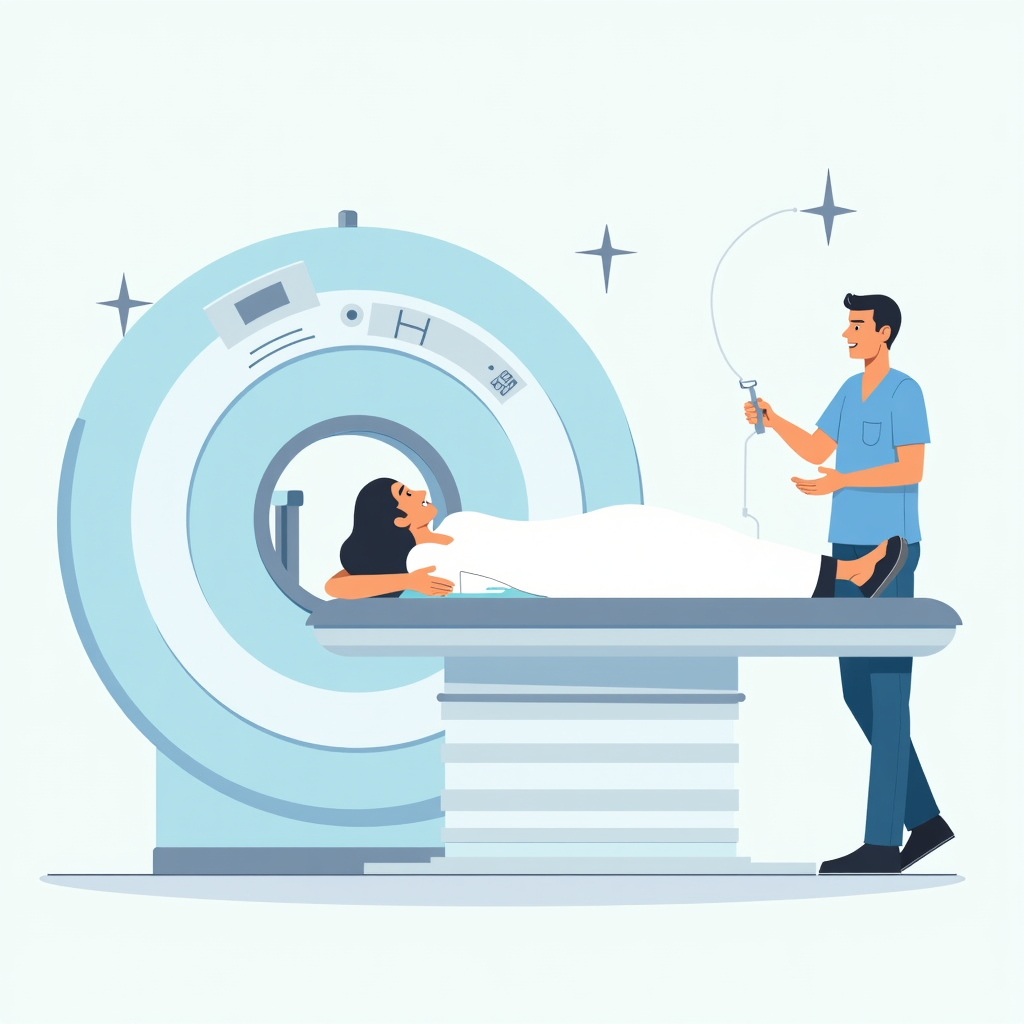
Launch a vital career in healthcare, mastering the art and science of radiation therapy to combat cancer.
The Associate of Applied Science (AAS) in Radiation Therapy program offers a comprehensive and rigorous curriculum designed to prepare students for a fulfilling career as highly skilled radiation therapists. This vital profession stands at the intersection of advanced technology and compassionate patient care, playing a critical role in the multidisciplinary approach to cancer treatment. Students will gain an in-depth understanding of the principles of radiation oncology, learning to administer precise radiation treatments as prescribed by radiation oncologists. The program emphasizes the development of both technical proficiency and the essential soft skills required to support patients and their families through a challenging health journey, ensuring graduates are well-equipped to enter the workforce with confidence and competence. Throughout this program, students will delve into key topics such as radiation physics, dosimetry, radiobiology, and treatment planning. They will master the operation of sophisticated linear accelerators and other imaging equipment, learning precise patient positioning techniques and quality assurance protocols essential for effective and safe treatment delivery. A significant component of the curriculum involves extensive clinical rotations in real-world oncology settings, providing invaluable hands-on experience under the guidance of experienced professionals. This practical application of theoretical knowledge is crucial for developing the critical thinking, problem-solving, and technical skills necessary to excel in a demanding clinical environment, ensuring patient safety and treatment efficacy. Beyond the technical aspects, the program places a strong emphasis on patient care, communication, and ethical practice. Radiation therapists are often a consistent point of contact for patients undergoing treatment, making empathy, clear communication, and emotional support paramount. Students will learn to assess patient needs, provide education on treatment side effects, and collaborate effectively with other members of the oncology team, including physicians, nurses, and medical physicists. This holistic approach ensures graduates not only possess the clinical skills to operate advanced machinery but also the compassion and professional demeanor required to provide exceptional, patient-centered care, significantly impacting the quality of life for individuals battling cancer. Graduates of the AAS in Radiation Therapy program will be prepared to sit for national certification examinations, opening doors to entry-level positions in hospitals, cancer centers, and outpatient clinics. The demand for qualified radiation therapists remains steady, driven by an aging population and advancements in cancer diagnosis and treatment. This program provides a robust foundation for a stable and rewarding career, offering opportunities for continuous learning and professional growth within the dynamic field of radiation oncology. It is an ideal pathway for individuals dedicated to leveraging cutting-edge technology to make a profound difference in the lives of cancer patients, contributing directly to their recovery and well-being.

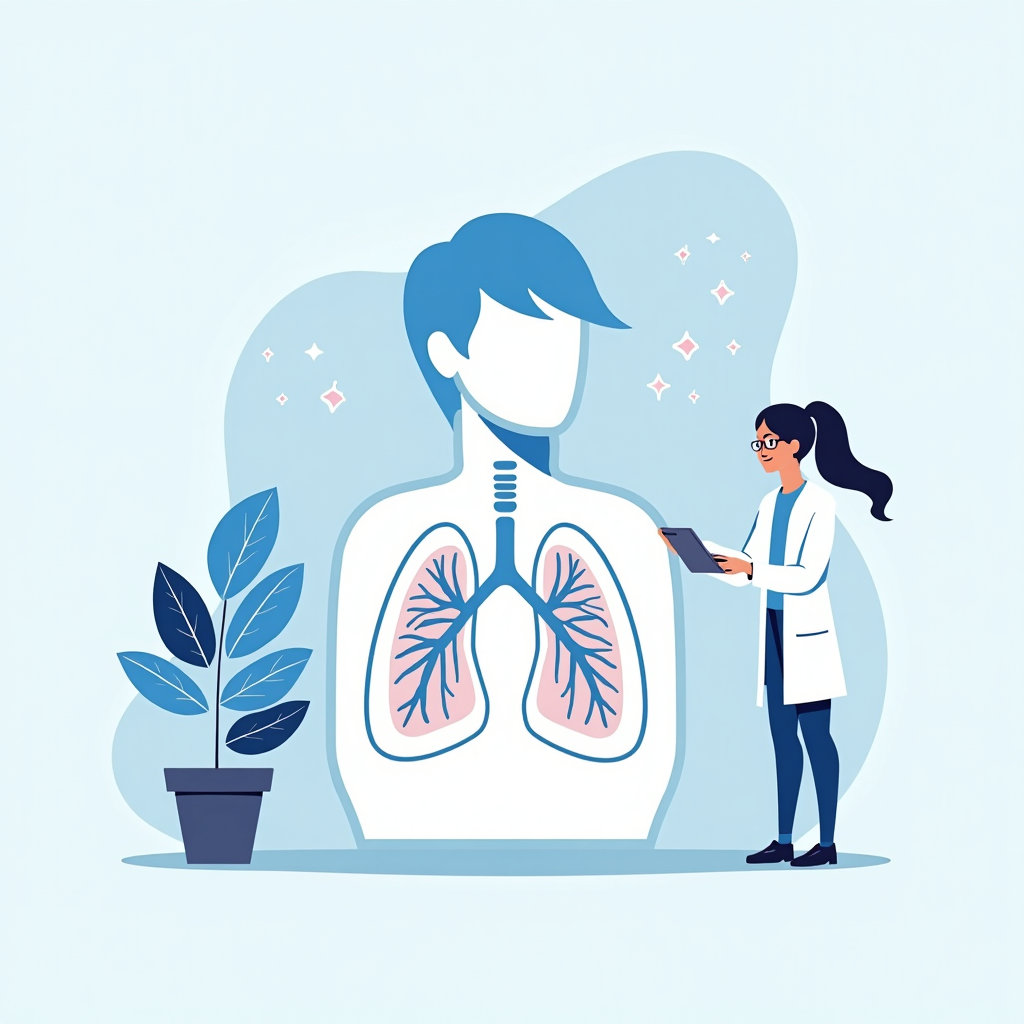
Master the essential skills to become a vital healthcare professional, providing life-saving respiratory care and improving patient outcomes.
The Associate of Applied Science (AAS) in Respiratory Therapy program prepares students for a dynamic and rewarding career at the forefront of patient care, focusing on individuals suffering from cardiopulmonary diseases and disorders. This comprehensive program is meticulously designed to equip aspiring healthcare professionals with the critical knowledge and technical skills necessary to assess, treat, and manage patients across various age groups, from neonates to geriatrics. Students will delve into foundational sciences such as anatomy, physiology, microbiology, and pharmacology, specifically as they relate to the respiratory and cardiovascular systems. The curriculum emphasizes understanding the pathophysiology of common respiratory conditions, including asthma, COPD, pneumonia, and acute respiratory distress syndrome, laying a strong groundwork for clinical practice. A core component of this AAS degree involves extensive hands-on training in state-of-the-art respiratory care techniques and equipment. Students will gain proficiency in crucial procedures such as mechanical ventilation, both invasive and non-invasive, oxygen therapy, aerosol medication delivery, and airway management. The program also provides in-depth instruction on advanced diagnostic testing, including pulmonary function testing (PFTs), blood gas analysis, and polysomnography. Through supervised clinical rotations in diverse healthcare settings like hospitals, intensive care units, and emergency departments, students will develop the practical expertise and critical thinking necessary to provide life-saving interventions and contribute significantly to patient recovery and well-being. Beyond technical proficiency, the program cultivates essential professional attributes, including effective communication, ethical decision-making, and teamwork within an interdisciplinary healthcare environment. Graduates will learn to collaborate seamlessly with physicians, nurses, and other medical specialists to develop and implement individualized patient care plans. The curriculum integrates topics on patient education, helping individuals and their families understand and manage their respiratory conditions for improved long-term health outcomes. Upon successful completion, graduates are prepared to sit for national credentialing examinations administered by the National Board for Respiratory Care (NBRC), leading to licensure and entry into a high-demand field vital to public health.

Master the art and science of ultrasound imaging to become a vital diagnostic medical sonographer, delivering critical patient care.
The Associate of Applied Science (AAS) in Diagnostic Medical Sonography program offers a rigorous and comprehensive pathway for aspiring healthcare professionals eager to enter the dynamic and technologically advanced field of medical imaging. This specialized degree focuses on the advanced techniques of ultrasound imaging, a non-invasive diagnostic tool that utilizes high-frequency sound waves to create real-time, dynamic images of internal body structures without the use of ionizing radiation. Students will delve into the foundational principles of sonography, learning to operate sophisticated ultrasound equipment to visualize organs, blood vessels, and other soft tissues. This program is meticulously designed to equip graduates with the essential skills to perform critical diagnostic procedures, thereby contributing significantly to patient assessment, disease detection, and treatment planning within various clinical settings, effectively bridging technology with direct patient impact. Throughout the intensive curriculum, students will gain an in-depth understanding of human anatomy, physiology, and pathophysiology, knowledge that is absolutely crucial for accurate image acquisition, interpretation, and differentiation between normal and abnormal findings. Core coursework includes detailed studies of abdominal sonography, obstetric and gynecological sonography, vascular sonography, and sonography of superficial structures, ensuring a broad and versatile skill set. The program places a strong emphasis on developing technical proficiency in operating state-of-the-art sonography equipment, mastering image optimization techniques, and understanding the complex biophysical principles of ultrasound wave propagation and interaction with tissues. This technical mastery is fundamental for producing high-quality diagnostic images. Beyond technical expertise, students will cultivate a range of essential professional and interpersonal skills vital for success in a patient-centered healthcare environment. This includes developing superior critical thinking and problem-solving abilities to navigate complex diagnostic challenges, alongside empathetic patient communication techniques that ensure comfort and cooperation during procedures. Medical ethics, professional conduct, and an understanding of legal considerations in healthcare are also integral components, fostering responsible and compassionate practitioners. Furthermore, extensive supervised clinical rotations form a cornerstone of the program, offering invaluable hands-on experience in real-world healthcare settings such as hospitals and clinics, where students apply theoretical knowledge under the direct mentorship of experienced, certified sonographers. Graduates of the AAS in Diagnostic Medical Sonography program will be exceptionally prepared to enter a high-demand profession, equipped with the comprehensive knowledge and practical expertise to excel as competent and compassionate diagnostic medical sonographers. The program's robust blend of didactic learning and immersive clinical experience ensures that students gain diverse hands-on exposure across various specialties, making them highly marketable upon graduation. This degree is meticulously designed to meet stringent industry standards and serves as a foundational step towards eligibility for national certification examinations, most notably those offered by the American Registry for Diagnostic Medical Sonography (ARDMS). By completing this program, individuals will embark on a rewarding and impactful career path where they directly contribute to patient health outcomes, providing crucial diagnostic information that guides medical decisions and ultimately improves lives.

Launch your rewarding career in oral healthcare, mastering the essential skills to promote public health and prevent disease.
The Associate of Applied Science (AAS) in Dental Hygiene program is meticulously designed to prepare students for a vital role in promoting oral health and overall wellness. This comprehensive degree provides the theoretical knowledge and practical skills necessary to become a licensed dental hygienist, a highly sought-after professional dedicated to preventive oral care. Students will delve into foundational sciences such as anatomy, physiology, microbiology, and pharmacology, building a robust understanding of the human body and its relation to oral health. The curriculum emphasizes evidence-based practices, ethical considerations, and patient-centered care, ensuring graduates are not only clinically proficient but also compassionate and responsible healthcare providers. This program is your gateway to a fulfilling career making a tangible difference in people's lives through education and direct patient care. Throughout the program, students will engage in rigorous coursework and extensive clinical training, mastering a wide array of essential dental hygiene procedures. Key topics include comprehensive oral health assessment, periodontal scaling and root planing, administration of local anesthesia and nitrous oxide, application of preventive agents like fluoride and sealants, and taking and interpreting dental radiographs. Significant emphasis is placed on developing critical thinking, problem-solving, and effective communication skills, crucial for interacting with diverse patient populations and collaborating within a dental team. Students will gain hands-on experience in state-of-the-art dental clinics, utilizing modern equipment and techniques under the supervision of experienced faculty. This practical exposure ensures graduates are practice-ready and confident in their abilities upon entering the workforce. A core component of dental hygiene education is the development of advanced patient education and counseling skills. Graduates will learn to effectively communicate complex oral health information, motivate patients towards healthier habits, and tailor preventive strategies to individual needs. The curriculum also explores community oral health initiatives, equipping students to participate in public health programs aimed at improving access to care and reducing oral disease disparities. This degree is more than just a clinical qualification; it prepares professionals who are advocates for oral health, capable of influencing positive health outcomes on both an individual and community level. By completing this AAS program, you will join a respected profession dedicated to improving quality of life, preventing systemic diseases linked to oral health, and empowering individuals to maintain optimal well-being.

Master the intricate language of healthcare finance by becoming an expert in medical coding, billing, and revenue cycle management.
The Bachelor of Medical Coding & Billing program offers a comprehensive education in the critical administrative and financial backbone of the healthcare industry. Students will gain an in-depth understanding of how medical services are translated into standardized codes, processed for billing, and managed through the entire revenue cycle to ensure proper reimbursement. This program is meticulously designed to equip aspiring professionals with the foundational knowledge in medical terminology, anatomy, physiology, and pharmacology, coupled with the essential legal and ethical considerations that govern healthcare data and financial transactions. Graduates will emerge prepared to play a pivotal role in maintaining the financial health and operational efficiency of diverse healthcare organizations, from hospitals and clinics to insurance companies. This rigorous curriculum delves deeply into the intricacies of various coding systems, including the International Classification of Diseases, Tenth Revision, Clinical Modification (ICD-10-CM), Current Procedural Terminology (CPT), and Healthcare Common Procedure Coding System (HCPCS Level II). Students will master the application of these codes to accurately reflect diagnoses, procedures, and medical services for insurance claims and data analysis. Furthermore, the program provides extensive training in the complete medical revenue cycle, encompassing patient registration, charge capture, claims submission, denial management, and accounts receivable. Emphasis is placed on understanding payer policies, resolving billing discrepancies, and optimizing financial workflows using industry-standard electronic health records (EHR) and billing software. Beyond technical proficiency, the program cultivates crucial analytical, problem-solving, and critical thinking skills essential for navigating complex medical documentation and regulatory landscapes. Students will develop an acute attention to detail, ensuring the accuracy and compliance of all coded and billed information, which is vital for preventing fraud and ensuring ethical practices. Graduates will be adept at communicating effectively with healthcare providers, patients, and insurance payers, serving as a vital link in the financial chain. This bachelor's degree provides a robust pathway to professional certification and opens doors to a dynamic career at the intersection of clinical care and financial management, making a tangible impact on healthcare delivery.

Cultivate your unique literary voice and master the craft of storytelling across diverse genres in this intensive terminal degree.
The Master of Fine Arts (MFA) in Creative Writing is an intensive, terminal degree program meticulously designed for aspiring and emerging writers committed to mastering their craft and developing a distinctive literary voice. This immersive program provides a rigorous foundation in the art and practice of writing across key genres, including fiction, poetry, creative nonfiction, and screenwriting, preparing students for a life deeply engaged with literature. Students will engage in deep exploration of advanced literary techniques, critical analysis of texts, and the iterative revision process, all guided by accomplished faculty who are active, published practitioners in their fields. The curriculum fosters a vibrant intellectual community where students refine their aesthetic sensibilities, gain a profound understanding of literary traditions and contemporary movements, and cultivate the discipline necessary for a sustainable and impactful writing career. This degree is recognized as the highest academic credential for creative writers, signifying advanced expertise and artistic accomplishment. At the heart of the MFA experience are advanced writing workshops, where students present their original creative work for in-depth peer and faculty critique within a supportive yet challenging environment. These intensive workshops are complemented by craft seminars that delve into the specific mechanics of storytelling and poetic expression, exploring elements such as narrative structure, character development, voice, imagery, rhythm, dialogue, and various poetic forms. Students will learn to analyze and articulate the nuances of language, experiment with diverse literary styles and forms, and develop a sophisticated understanding of genre conventions and innovations across fiction, poetry, creative nonfiction, and screenwriting. Beyond the workshops, the program encourages extensive and critical reading, allowing students to engage deeply with both contemporary and classic literature, thereby enriching their own creative practice and expanding their artistic horizons and influences. Beyond the written word, this MFA program cultivates a comprehensive and highly transferable skill set vital for success in various professional arenas. Graduates emerge not only as skilled, disciplined writers but also as astute critical thinkers, highly effective communicators, meticulous editors, and resilient individuals capable of navigating complex creative and intellectual challenges. The program culminates in the development of a substantial thesis manuscript – a book-length work of publishable quality – serving as a professional portfolio and a profound testament to their artistic growth and mastery of craft. Through a blend of dedicated creative practice, rigorous scholarly inquiry, and focused professional development, students are prepared to contribute meaningfully to the literary world, pursue publishing opportunities, and apply their highly developed analytical and expressive abilities to a broad spectrum of career paths, fostering a lifelong commitment to the literary arts.

Master the art and science of human connection, influence, and strategic information dissemination in a rapidly evolving global landscape.
The Master of Arts in Communication program offers a rigorous, advanced exploration into the intricate processes of human communication, equipping students with theoretical depth, research prowess, and practical skills essential for leadership in diverse professional fields. This program is meticulously designed for individuals eager to dissect the complexities of how messages are created, transmitted, received, and interpreted across various contexts – from interpersonal interactions to global media landscapes. Students will engage with foundational communication theories, critically analyze media effects, and understand the socio-cultural, psychological, and technological factors that shape modern communication, preparing them to navigate and influence public discourse and organizational dynamics. Central to the curriculum is a comprehensive dive into advanced communication theory and robust research methodologies. Students will explore diverse theoretical frameworks, including organizational communication, intercultural communication, media studies, and rhetoric, gaining a nuanced understanding of their applications. The program emphasizes both qualitative and quantitative research techniques, enabling graduates to design, execute, and interpret scholarly and applied communication studies. Key topics include strategic message design, audience analysis, digital communication ethics, crisis communication, and integrated marketing communication, all underpinned by a commitment to ethical practice and social responsibility. Through a blend of theoretical inquiry and hands-on projects, students will develop sophisticated analytical and problem-solving abilities. Graduates of the Master of Arts in Communication program emerge as highly skilled communication strategists, capable of leading initiatives in public relations, corporate communications, advocacy, and digital media. The curriculum fosters critical thinking, persuasive writing, and impactful oral communication, alongside the ability to manage complex communication campaigns and adapt to emerging communication technologies. This program is crucial for professionals seeking to advance their careers by mastering the art of influence, fostering understanding, and driving positive change within organizations and society at large. It provides the intellectual framework and practical toolkit necessary to excel in roles that demand innovative communication solutions and a deep understanding of human interaction.

Forge your unique academic path by integrating diverse disciplines into a personalized degree designed for a dynamic future.
The Bachelor of Interdisciplinary Studies (BIS) offers a truly unique and highly flexible pathway for students seeking to design a degree that precisely aligns with their personal passions and professional aspirations. Rather than conforming to traditional single-discipline majors, the BIS empowers you to combine two to three distinct academic fields, such as communication, humanities, social sciences, or even elements of business or technology, into a cohesive and custom-tailored program. This innovative approach allows for the creation of a personalized curriculum that transcends conventional boundaries, enabling a deeper exploration of complex issues from multiple vantage points and fostering a holistic understanding often missed in more siloed academic structures. It's an ideal choice for those with multifaceted interests or specific career goals that demand a broad, integrated knowledge base. Through this program, students develop an exceptional array of highly sought-after skills crucial for success in today's rapidly evolving global landscape. You will master the art of critical thinking by analyzing complex problems through various disciplinary lenses, learning to identify interconnectedness and nuanced perspectives. The curriculum emphasizes advanced communication skills, enabling you to articulate intricate ideas clearly and persuasively to diverse audiences, both orally and in writing. Furthermore, students cultivate robust research and analytical abilities, learning to synthesize information from disparate sources, evaluate its validity, and construct well-reasoned arguments. These capabilities are fundamental for navigating ambiguous situations and innovating solutions. Key topics explored within the BIS are as diverse as the students themselves, ranging from global communication strategies and cultural studies to ethical leadership, digital literacy, and organizational behavior, depending on the chosen concentrations. This program matters immensely in an era where professional roles increasingly demand adaptable individuals who can bridge gaps between departments, understand cross-functional challenges, and innovate beyond conventional frameworks. By building a foundational understanding across multiple domains, graduates are uniquely positioned to address complex societal issues, drive innovation in interdisciplinary teams, and adapt swiftly to new industries and technologies. The program fosters intellectual agility and a lifelong learning mindset. The BIS culminates in the ability to apply integrated knowledge to real-world challenges, preparing graduates for a wide spectrum of professional opportunities or further academic pursuits. Students learn to conceptualize and execute self-directed projects that demonstrate their capacity for independent thought and problem-solving, often tackling issues that require insights from all their chosen fields. This self-designed academic journey instills a profound sense of ownership over one's education and future trajectory. Whether you aim to enter a dynamic industry, launch your own venture, or pursue advanced degrees, the Bachelor of Interdisciplinary Studies equips you with the intellectual versatility and strategic foresight to thrive in an interconnected and ever-changing world, fostering leaders who can connect disparate ideas and drive meaningful change.

Master the art and technology of modern media creation, from compelling video and audio to immersive web and user experience design.
The Bachelor of Digital Media Production is an innovative, interdisciplinary program designed to equip students with the comprehensive skills needed to thrive in the dynamic world of contemporary media creation. This program goes beyond traditional media studies, immersing learners in the practical and theoretical aspects of video production, audio engineering, and motion graphics. Students will develop a robust understanding of visual storytelling, sound design principles, and animated visual communication, learning to craft compelling narratives across various digital platforms. From pre-production planning and scriptwriting to advanced post-production techniques, including editing, color grading, and sound mixing, the curriculum ensures a holistic mastery of the production pipeline, preparing graduates to produce high-quality, engaging content for diverse audiences and industries. Beyond linear media, the curriculum extends into the crucial domains of web design and user experience (UX) design, recognizing the paramount importance of interactive digital platforms in today's media landscape. Students will delve into the principles of effective web development, learning to build responsive and visually appealing websites that serve as powerful conduits for digital content. A strong emphasis is placed on user-centered design methodologies, enabling students to understand user behaviors, conduct usability testing, and prototype intuitive interfaces that enhance engagement and accessibility. This dual focus ensures graduates are not only adept at creating compelling media assets but also skilled in designing the digital environments where that content lives and flourishes, making them versatile creators capable of shaping comprehensive digital experiences. The program's interdisciplinary nature ensures that graduates develop a holistic understanding of the digital media ecosystem, fostering critical thinking, problem-solving, and collaborative skills essential for navigating complex production challenges and working effectively in team environments. Students will gain hands-on experience with industry-standard software for video editing (e.g., Adobe Premiere Pro, DaVinci Resolve), audio production (e.g., Adobe Audition, Pro Tools), graphic design, animation (e.g., After Effects), and web development (e.g., HTML, CSS, JavaScript, UX prototyping tools). This practical application, combined with theoretical insights into media theory and ethics, prepares students not just as technicians, but as thoughtful creators. Ultimately, the Bachelor of Digital Media Production is designed to cultivate agile and innovative professionals who can shape the future of digital content. The comprehensive skill set acquired, spanning visual, auditory, and interactive design, provides a significant competitive edge in a rapidly evolving job market. Graduates will be equipped not only to execute existing media strategies but also to conceptualize and pioneer new forms of digital communication, storytelling, and user engagement. This degree empowers individuals to become versatile creators, capable of driving innovation in entertainment, advertising, education, corporate communications, and beyond, making a tangible impact on how information and experiences are shared globally.


Master the evolving landscape of news and media with a curriculum focused on ethical reporting, digital storytelling, and legal acumen.
The Bachelor of Media Studies & Journalism program offers a dynamic and rigorous curriculum meticulously designed to equip aspiring media professionals with the essential skills and critical understanding needed to thrive in today's rapidly evolving information landscape. Students will delve into the foundational principles of journalism, exploring the ethical responsibilities, historical contexts, and profound societal impact of news dissemination and media production. This comprehensive program emphasizes a robust blend of theoretical knowledge and extensive practical application, ensuring graduates are not only well-versed in contemporary media theories but also highly proficient in the hands-on techniques required for compelling and effective storytelling across various traditional and digital platforms. You will cultivate a deep appreciation for accuracy, fairness, and transparency, which are the cornerstones of credible journalism in an era of unprecedented information flow. A core component of this degree involves intensive training in news writing and reporting, where students will learn to craft compelling narratives, conduct rigorous interviews, and develop reliable sources with precision and clarity. The curriculum systematically progresses into advanced topics such as investigative journalism, teaching students sophisticated methodologies for in-depth research, meticulous data analysis, and uncovering complex stories that hold power accountable and address critical social issues. Through practical assignments and real-world simulations, students will hone their ability to gather, verify, and present information effectively, developing a keen eye for detail and a commitment to factual integrity. Recognizing the pervasive influence of digital platforms, the program places significant emphasis on multimedia journalism. Students will gain extensive proficiency in producing engaging content for diverse digital formats, including high-quality video, audio podcasts, compelling photography, and strategic social media campaigns, mastering the cutting-edge tools and techniques essential for captivating contemporary audiences. This hands-on experience extends to digital storytelling, content management systems, and advanced audience engagement strategies. Crucially, the program integrates a comprehensive study of media law and ethics, providing a robust understanding of defamation, privacy, intellectual property, and the complex legal frameworks governing journalistic practice, fostering responsible and legally compliant reporting. Beyond technical competencies, graduates of this program will develop strong critical thinking, analytical reasoning, and persuasive communication skills, making them highly versatile and adaptable professionals ready for diverse roles. The curriculum fosters intellectual curiosity, ethical decision-making, and a commitment to public service. This Bachelor of Media Studies & Journalism is vital for individuals dedicated to informing the public, fostering informed civic discourse, and upholding democratic values through impactful, accurate, and ethically sound media contributions. Ultimately, this degree prepares students to be influential communicators and responsible shapers of public opinion in a world that increasingly relies on credible and accessible information.

Unravel life's deepest questions and cultivate unparalleled critical thinking skills for a world in constant flux.
The Bachelor of Philosophy program offers a rigorous intellectual journey into the foundational questions that have shaped human civilization. This degree is designed to cultivate exceptional analytical, critical thinking, and ethical reasoning abilities, equipping students to navigate complex ideas and make informed judgments. You will delve into the rich history of Western and Eastern thought, exploring diverse perspectives on existence, knowledge, values, reason, mind, and language. Through challenging readings and dialectical engagement, students learn not just *what* to think, but *how* to think deeply, logically, and creatively about the most profound aspects of human experience. Students will immerse themselves in core areas such as ethics, logic, and metaphysics, alongside specialized topics like philosophy of science and existentialism. The curriculum provides a comprehensive understanding of various philosophical traditions, from ancient Greek inquiry to contemporary analytical and continental thought. Exploration of Eastern philosophy broadens the scope, offering comparative insights into different cultural and intellectual approaches to fundamental problems. This breadth of study fosters intellectual agility, enabling graduates to dissect complex arguments, identify underlying assumptions, and articulate nuanced positions on a wide array of academic and real-world issues. A central focus of the program is the development of highly transferable skills essential for success in any professional field. Graduates will master the art of rigorous argumentation, learn to construct persuasive essays, and develop the capacity for precise and articulate communication, both written and oral. The emphasis on ethical theory and practical ethics equips students to analyze moral dilemmas and contribute to responsible decision-making in personal, professional, and societal contexts. Furthermore, the program cultivates intellectual empathy, encouraging students to understand and engage respectfully with perspectives that differ from their own. In an era defined by rapid technological advancement, complex social challenges, and evolving ethical landscapes, a philosophical education is more relevant than ever. This program prepares individuals not just for specific jobs, but for a lifetime of intellectual growth, adaptability, and thoughtful engagement with the world. It is ideal for those aspiring to leadership roles where critical insight, ethical discernment, and the ability to conceptualize innovative solutions are paramount, fostering a foundation for impactful contributions across diverse sectors and intellectual pursuits.

Unravel the past, understand the present, and shape the future through rigorous historical inquiry and critical analysis.
The Bachelor of History program offers a profound journey through the annals of human civilization, equipping students with the essential tools to critically analyze the past and understand its enduring impact on the present. You will delve into diverse historical periods and geographies, from ancient civilizations and medieval societies to modern global transformations, with a particular emphasis on comprehensive World History and detailed American History. This rigorous curriculum fosters a deep appreciation for the complexities of human experience, power dynamics, cultural evolution, and societal change across millennia. Students will learn to interpret primary and secondary sources with discernment, challenging conventional narratives and developing a nuanced perspective on historical events and their multifaceted causes and consequences, thereby gaining a richer understanding of global interconnectedness. Central to this program is the development of advanced historical research methodologies, moving beyond rote memorization to genuine inquiry. Students will master the art of locating, evaluating, and synthesizing a wide array of historical evidence, including archival documents, oral histories, statistical data, material culture, and digital sources. This involves rigorous training in source criticism, historiography, and the construction of coherent, persuasive historical arguments supported by robust evidence. Beyond merely identifying facts, the program cultivates sophisticated analytical abilities, enabling students to identify patterns, discern causality, and understand the intricate interplay of social, economic, political, and cultural forces that shape societies. These highly transferable skills in critical thinking, problem-solving, and evidence-based reasoning are invaluable in any professional field. The Bachelor of History program is more than an academic pursuit; it is an education in informed citizenship, ethical leadership, and cultural literacy. Graduates emerge with an enhanced capacity for empathy, an understanding of diverse perspectives, and the ability to engage thoughtfully with complex contemporary issues through a critical historical lens. Special attention is given to the practical application of historical knowledge, including aspects of public history, which explores how history is communicated and engaged with outside traditional academia—in museums, archives, historical societies, government agencies, and digital platforms. This program thoroughly prepares students not only for advanced academic study in history or related disciplines but also for a broad spectrum of careers where critical inquiry, effective communication, and a deep understanding of human affairs are paramount.

Cultivate sophisticated critical thinking, masterful communication, and profound cultural understanding through the study of language and literature.
The Bachelor of English program offers a profound exploration into the art of language, literature, and critical communication, equipping students with a sophisticated toolkit for understanding and shaping the world. This comprehensive degree delves into diverse literary traditions, from classical masterpieces to contemporary global voices, fostering a deep appreciation for storytelling and its profound cultural impact. Students will cultivate advanced critical reading and analytical skills, learning to deconstruct complex texts, identify underlying themes, and interpret meaning within various historical and social contexts. The program emphasizes developing intellectual curiosity, sharpening interpretive abilities, and building a robust foundation for persuasive expression across all forms of communication, preparing graduates to engage thoughtfully with complex ideas and narratives. A core component of the curriculum involves in-depth literary analysis, where students engage with poetry, prose, and drama across different genres and periods. This includes a rigorous introduction to critical theory, which challenges conventional understandings of texts and contexts, enabling students to approach literature with nuanced perspectives. Furthermore, the program hones essential skills in composition theory and rhetoric, teaching students to craft compelling arguments, structure persuasive essays, and master the intricacies of grammar and style. Through these studies, students learn not just to read and write, but to understand the mechanics of language as a powerful tool for influence and understanding in both academic and professional spheres. Beyond analytical rigor, the Bachelor of English fosters creative expression through dedicated workshops in fiction, poetry, and creative non-fiction. Here, students are encouraged to explore their unique voice, experiment with narrative forms, and develop their craft under the guidance of experienced writers. The program's expansive scope introduces students to a rich tapestry of literary periods and movements, from the Medieval era to the Enlightenment, Romanticism, Modernism, and contemporary global literature, providing a holistic understanding of the evolution of thought and expression. Students also develop robust research methodologies, learning to critically evaluate, synthesize, and present information from a wide array of sources. Graduates of this program emerge with an array of highly sought-after transferable skills essential for success in a multitude of professions. Beyond exceptional written and oral communication, students develop keen analytical reasoning, sophisticated problem-solving capabilities, and a profound capacity for empathy and cultural understanding. The program cultivates critical thinking that allows individuals to navigate complex information, articulate ideas persuasively, and engage in informed discourse, making them invaluable assets in any field requiring strong intellectual and communicative abilities. By fostering intellectual rigor, creative expression, and a deep understanding of human experience, this degree empowers individuals to become influential communicators, thoughtful citizens, and impactful contributors to society and their chosen fields.

Master the art and science of effective communication across diverse platforms and contexts to lead, influence, and connect in a dynamic world.
The Bachelor of Communication Studies is a dynamic program designed to cultivate expert communicators capable of thriving in an increasingly interconnected global society. This comprehensive degree delves into the multifaceted dimensions of human interaction, equipping students with theoretical frameworks and practical competencies essential for effective engagement across various contexts. You will explore core areas such as the nuances of interpersonal communication, the strategic imperatives of organizational communication, the art and science of public relations, and the rapidly evolving landscape of digital communication. The curriculum is meticulously crafted to provide a robust understanding of how messages are created, transmitted, interpreted, and impact individuals, groups, and institutions. Throughout the program, students will develop a sophisticated toolkit of transferable skills critical for professional success. This includes honing abilities in critical analysis, persuasive writing, public speaking, strategic planning, and multimedia content creation. You will learn to conduct audience research, craft compelling narratives, manage reputations, and navigate complex ethical dilemmas inherent in modern communication practices. The curriculum emphasizes hands-on projects, case studies, and simulations that mirror real-world challenges, allowing you to apply theoretical knowledge to practical scenarios. This experiential learning approach ensures graduates are not only knowledgeable but also highly proficient and adaptable practitioners. This degree program is more than just learning to speak or write; it's about understanding influence, building relationships, and fostering understanding in a world saturated with information. Graduates emerge with the capacity to analyze communication problems, design effective solutions, and lead communication initiatives in diverse professional settings. The skills acquired are universally valued, making this a highly versatile degree that opens doors to a wide array of industries. From navigating corporate communications to shaping public discourse, the Bachelor of Communication Studies prepares you to be an invaluable asset, driving positive change and connecting communities in an ever-evolving communication ecosystem. Furthermore, the program integrates contemporary trends and emerging technologies, ensuring students are at the forefront of communication innovation. You will examine the impact of social media, artificial intelligence, and data analytics on communication strategies, preparing you for the challenges and opportunities of the digital age. This forward-thinking approach, combined with a strong ethical foundation, empowers graduates to become responsible and influential communicators who can adapt to future advancements and lead in their chosen fields. The emphasis on critical thinking and ethical reasoning ensures that graduates are not just skilled technicians, but thoughtful leaders capable of shaping public opinion and organizational culture responsibly.

Advance your expertise in ecological systems, policy, and sustainable solutions to address global environmental challenges.
The Master of Environmental Science program offers a rigorous, interdisciplinary curriculum designed for professionals seeking to lead in environmental protection and sustainability. This advanced degree delves into the intricate scientific principles, sophisticated research methodologies, and critical policy frameworks essential for understanding and mitigating complex environmental issues at local, regional, and global scales. Emphasizing a holistic approach, the program seamlessly integrates knowledge from ecology, chemistry, geology, hydrology, and social sciences, providing students with a comprehensive understanding of both natural systems and human-impacted environments. Graduates will be equipped with the advanced analytical, quantitative, and problem-solving skills necessary to tackle pressing challenges such as climate change, biodiversity loss, pollution, and resource depletion, preparing them for impactful leadership roles across various sectors. Throughout the program, students will explore a diverse array of key topics, including advanced ecological modeling, environmental toxicology and risk assessment, hydrologic systems analysis, geographic information systems (GIS) for spatial analysis, and sustainable resource management strategies. A strong emphasis is placed on developing robust research skills through hands-on laboratory work, field studies, advanced data analysis techniques, and effective scientific communication. The curriculum culminates in a significant capstone research project or thesis, allowing students to apply their accumulated knowledge to a real-world environmental problem. Furthermore, the program fosters critical thinking, interdisciplinary collaboration, and sophisticated policy analysis skills, enabling graduates to effectively translate complex scientific findings into actionable strategies and policy recommendations. The program's design ensures that students gain practical experience crucial for career success. Opportunities for field-based learning, internships with leading environmental organizations, and collaborative projects with industry partners are integrated into the curriculum, providing invaluable real-world exposure. This practical application of theoretical knowledge allows students to develop professional networks and refine their skills in dynamic environmental settings. The curriculum is continuously updated to reflect the latest scientific advancements, emerging global environmental challenges, and evolving regulatory landscapes, ensuring that graduates are at the forefront of their field and possess the most current knowledge and techniques to address contemporary issues. This Master of Environmental Science program is paramount for individuals driven by a passion for environmental stewardship and a desire to contribute meaningfully to a sustainable future. It addresses the escalating demand for highly skilled environmental scientists capable of navigating complex regulatory frameworks, conducting cutting-edge research, and developing innovative sustainability initiatives. By fostering a deep understanding of both the scientific underpinnings and the societal implications of environmental issues, the program prepares graduates to become influential leaders and innovators. They will be adept at communicating complex scientific information to diverse audiences and collaborating across sectors to achieve sustainable outcomes, making them exceptionally well-prepared and highly sought-after professionals in a rapidly evolving global landscape.

Empower yourself with the strategic business acumen and technical leadership skills essential to drive innovation and manage complex engineering initiatives.
The Master of Engineering Management (MEM) program is meticulously designed for ambitious engineering and STEM professionals seeking to transition into leadership and management roles within technology-driven organizations. This advanced degree bridges the critical gap between technical expertise and strategic business acumen, empowering graduates to lead complex projects, manage diverse teams, and drive innovation from a holistic perspective. Students will cultivate a deep understanding of core business principles, including finance, marketing, and organizational behavior, specifically tailored to the unique challenges and opportunities within engineering environments. The program emphasizes developing a strategic mindset, enabling graduates to make informed decisions that optimize operational efficiency and foster sustainable growth. Core to the MEM curriculum are subjects vital for effective technical management. Students will delve into advanced project management methodologies, learning to plan, execute, and monitor projects efficiently, ensuring successful delivery within scope, budget, and timeline constraints. The program also covers operations and supply chain management, equipping professionals with the tools to optimize production processes, enhance quality control, and manage global supply chains effectively. Furthermore, topics in financial engineering and cost analysis will enable students to understand the economic implications of engineering decisions, conduct feasibility studies, and manage budgets with strategic foresight, transforming technical insights into profitable outcomes. Beyond operational excellence, the Master of Engineering Management program places significant emphasis on technology strategy and innovation leadership. Students will explore how to identify emerging technologies, assess their strategic value, and integrate them into organizational goals. The curriculum includes modules on data analytics for decision-making, allowing future leaders to leverage data-driven insights to solve complex engineering and business problems. Ethical leadership, intellectual property management, and global engineering management are also key components, preparing graduates to navigate the multifaceted challenges of a rapidly evolving global marketplace and lead with integrity and vision. This comprehensive approach ensures graduates are not just managers, but strategic leaders capable of shaping the future of engineering. Ultimately, this program is more than just an academic pursuit; it is a transformative journey designed to accelerate your career trajectory. By mastering the art of combining engineering rigor with executive-level business strategy, you will be uniquely positioned to tackle the most demanding challenges faced by modern enterprises. Graduates emerge with a robust toolkit for strategic planning, resource allocation, risk management, and fostering a culture of continuous improvement and innovation. The Master of Engineering Management empowers you to translate technical vision into tangible results, lead high-performance engineering teams, and drive organizational success in an increasingly competitive and technologically advanced world, preparing you for senior leadership roles across various industries.

Master the interdisciplinary skills to optimize industrial processes, enhance operational efficiency, and champion safety in technological environments.
The Bachelor of Applied Science & Technology program is meticulously designed for ambitious individuals seeking to drive innovation and efficiency within complex industrial landscapes. This interdisciplinary degree bridges the gap between theoretical engineering principles and practical technological application, equipping students with the essential competencies to optimize operations, implement sustainable practices, and lead technical teams. Focusing on real-world challenges, the curriculum integrates core concepts of industrial technology, advanced manufacturing, and systems thinking, preparing graduates to excel in dynamic environments where technological expertise meets operational excellence. Students will develop a robust understanding of modern industrial systems and their continuous improvement. A cornerstone of this program is its deep dive into process improvement methodologies and industrial technology. Students will gain proficiency in analyzing complex workflows, identifying bottlenecks, and implementing data-driven solutions to enhance productivity and reduce waste. Key topics include Lean manufacturing, Six Sigma principles, quality control systems, automation technologies, and supply chain management. Through hands-on projects and case studies, learners will master the use of analytical tools and software to design, optimize, and manage technological systems, ensuring operational effectiveness and competitive advantage in a rapidly evolving global economy. This practical approach fosters critical thinking and problem-solving skills vital for industry leadership. Beyond efficiency, the program places a significant emphasis on safety management and ethical considerations in technological operations. Students will explore comprehensive frameworks for occupational health and safety, risk assessment, environmental compliance, and crisis management. The curriculum covers relevant industry standards, regulatory requirements, and best practices for creating secure and sustainable work environments. Graduates will be prepared to develop and implement robust safety protocols, conduct thorough audits, and foster a culture of safety consciousness within organizations. This focus ensures that professionals not only optimize processes but also safeguard personnel, assets, and the environment, making them invaluable assets to any forward-thinking enterprise. The holistic nature of the Bachelor of Applied Science & Technology program empowers graduates to assume leadership roles across diverse sectors, from manufacturing and logistics to energy and technology services. By combining technical acumen with managerial insights and a steadfast commitment to safety and quality, students emerge as highly versatile professionals capable of transforming operational challenges into strategic successes. The program's blend of applied science, engineering principles, and technology management ensures that alumni are not just participants but pioneers in shaping the future of industry, ready to implement cutting-edge solutions and drive continuous organizational improvement.

Prepare for a rewarding career in medicine or allied health with a rigorous Bachelor of Biology focused on pre-medical and pre-physician assistant studies.
The Bachelor of Biology (Pre-Med/Pre-PA) program offers a comprehensive and intensive curriculum designed to equip aspiring healthcare professionals with the foundational scientific knowledge and critical thinking skills essential for success in medical school, physician assistant programs, and other advanced health professions. This degree goes beyond general biology, integrating core courses in cell biology, genetics, biochemistry, organic chemistry, and physics, all tailored to meet the prerequisite requirements for highly competitive graduate programs. Students will develop a deep understanding of biological systems at molecular, cellular, and organismal levels, forming a robust academic base crucial for interpreting complex medical concepts and engaging in evidence-based practice. Students in this specialized program will delve into key biological disciplines through a blend of theoretical instruction and hands-on laboratory experiences. Coursework extensively covers human anatomy and physiology, providing a detailed exploration of the body's structure and function, vital for diagnosing and treating illnesses. Furthermore, the curriculum incorporates microbiology and immunology, offering insights into infectious diseases and the body's defense mechanisms. A significant emphasis is placed on developing analytical and problem-solving skills through case studies, research projects, and data interpretation, preparing students not just for exams but for the intellectual rigor demanded by clinical decision-making. The program also integrates specific preparation strategies for standardized tests like the MCAT and GRE, enhancing readiness for professional school admissions. Beyond core scientific principles, this program fosters the development of essential professional competencies. Students will refine their scientific communication skills, both written and oral, through presentations, research papers, and collaborative projects, enabling them to articulate complex scientific information clearly and concisely. Ethical considerations in healthcare and scientific research are woven throughout the curriculum, cultivating a strong sense of professional responsibility and integrity. Through dedicated advising, opportunities for clinical shadowing, and potential research placements, students gain invaluable real-world exposure and mentorship, solidifying their commitment and understanding of the healthcare landscape. This holistic approach ensures graduates are not only academically prepared but also possess the maturity and empathy required for patient-centered care. Ultimately, this Bachelor of Biology program is more than just a degree; it's a meticulously crafted pathway to a fulfilling career in healthcare. It provides the intellectual framework, practical skills, and professional guidance necessary to navigate the challenging application processes for medical and physician assistant programs. Graduates will emerge with a profound appreciation for biological sciences, a strong ethical compass, and the confidence to pursue advanced studies, ready to contribute meaningfully to the health and well-being of communities. This rigorous preparation empowers students to transform their passion for science into a impactful professional calling, making a tangible difference in the lives of others.

Unravel the universe's patterns and power your future with rigorous analytical prowess and problem-solving expertise.
The Bachelor of Mathematics program offers a profound journey into the logical structures and quantitative reasoning that underpin our modern world. Designed for intellectually curious students, this degree cultivates an exceptional capacity for analytical thought, abstract reasoning, and precise problem-solving. Students will build a robust foundation in core mathematical disciplines, preparing them to tackle complex challenges across diverse fields. From the elegant abstractions of pure mathematics to the practical applications of statistical analysis and mathematical modeling, the curriculum is meticulously crafted to develop a versatile skill set highly valued in today's data-driven and technologically advanced society. This program empowers graduates to not only understand existing mathematical frameworks but also to innovate and develop new approaches. Delving into the heart of mathematics, the curriculum encompasses rigorous training in pure mathematics, including advanced calculus, linear algebra, discrete mathematics, and abstract algebra, fostering a deep understanding of theoretical principles. Concurrently, students will explore applied mathematics, learning to translate real-world problems into mathematical models and derive actionable solutions, with coursework in differential equations, numerical analysis, and optimization. A significant component of the program is dedicated to statistics, equipping students with essential skills in data analysis, probability theory, inferential statistics, and machine learning fundamentals. This comprehensive approach ensures graduates are well-versed in both the theoretical underpinnings and the practical tools necessary for cutting-edge quantitative work. Beyond specific mathematical concepts, this Bachelor's program emphasizes the development of critical transferable skills. Students will hone their logical reasoning, critical thinking, and communication abilities through rigorous proofs, problem sets, and project-based learning. They will gain proficiency in computational tools and software essential for mathematical modeling and data analysis, bridging the gap between theory and practical application. The ability to dissect complex problems, identify underlying mathematical structures, and construct elegant solutions is a hallmark of this degree. In a world increasingly reliant on data and complex systems, a Bachelor of Mathematics provides an unparalleled foundation for careers that demand precision, innovation, and an exceptional capacity for analytical insight. Graduates of the Bachelor of Mathematics program emerge with a distinct competitive advantage, prepared for diverse professional roles or advanced academic pursuits. The analytical rigor instilled throughout the program equips students to excel in fields ranging from finance and technology to scientific research and education. By mastering the art of mathematical modeling, statistical inference, and computational problem-solving, students are empowered to contribute meaningfully to innovation and discovery. This degree is not merely about numbers; it is about developing a powerful way of thinking that unlocks solutions to humanity's most pressing challenges, making it an invaluable asset in an ever-evolving global landscape.

Empower yourself to address the planet's most pressing ecological challenges through scientific inquiry and sustainable solutions.
The Bachelor of Environmental Science program is designed for aspiring scientists and environmental stewards passionate about understanding and solving complex ecological challenges. This interdisciplinary degree provides a robust foundation in natural sciences, integrating principles from biology, chemistry, geology, and physics to analyze environmental systems. Students will delve into critical topics such as ecosystem dynamics, biodiversity conservation, and the intricate web of interactions between human activities and natural processes. The curriculum emphasizes a holistic approach, preparing graduates to critically assess environmental problems from local to global scales, fostering a deep appreciation for our planet's delicate balance and the urgent need for sustainable practices. Throughout the program, students will engage with cutting-edge research and methodologies in environmental chemistry, exploring the fate and transport of pollutants, and climate science, investigating the causes and consequences of global climate change. Core modules will cover environmental policy and law, providing insight into regulatory frameworks and international agreements, alongside practical training in data analysis, geographic information systems (GIS), and remote sensing. This comprehensive curriculum hones essential scientific skills, including experimental design, quantitative analysis, critical thinking, and effective scientific communication. Graduates will emerge with the analytical prowess to interpret complex environmental data and formulate evidence-based solutions. A significant emphasis is placed on sustainability, equipping students with the knowledge and tools to promote environmentally sound practices across various sectors. The program explores renewable energy systems, waste management strategies, and sustainable resource utilization, preparing students to drive innovation towards a greener future. Beyond theoretical knowledge, the curriculum often includes opportunities for fieldwork, laboratory practicals, and project-based learning, allowing students to apply scientific principles to real-world environmental issues. This hands-on experience is crucial for developing problem-solving capabilities and fostering a practical understanding of environmental management and conservation efforts, making the program highly relevant in today's world. This degree is more than just an academic pursuit; it's a call to action for those who wish to make a tangible difference in protecting our planet. By fostering a deep understanding of ecological principles, environmental policy, and sustainable development, the Bachelor of Environmental Science empowers individuals to become leaders in environmental protection, advocacy, and scientific research. Graduates will be prepared to tackle pressing issues such as water scarcity, air pollution, habitat loss, and climate resilience, contributing to a healthier, more sustainable future for all. The program cultivates a generation of informed, skilled, and passionate environmental professionals ready to face the challenges of the 21st century.

Master the practical application of engineering principles to design, construct, and manage vital infrastructure projects shaping our modern world.
The Bachelor of Civil Engineering Technology program offers a dynamic, practice-oriented education focused on the crucial skills required to design, construct, and maintain the built environment. This comprehensive degree delves into the fundamental principles of civil engineering, emphasizing practical application and immediate industry relevance. Students will gain a robust understanding of structural design, ensuring the safety and stability of buildings and bridges, alongside mastering efficient construction methodologies and project management techniques. The curriculum also extensively covers surveying, a foundational skill for any construction or land development project, providing students with the expertise to accurately map and plan sites. This program is engineered to bridge the gap between theoretical knowledge and real-world implementation, preparing graduates for impactful careers. A core component of this program is its strong emphasis on modern technological tools and methodologies. Students will become proficient in advanced software for structural analysis and design, enabling them to tackle complex engineering challenges with precision. A significant focus is placed on Building Information Modeling (BIM), a transformative process that allows for collaborative design, visualization, and management of construction projects throughout their lifecycle, equipping graduates with sought-after digital literacy. Furthermore, the curriculum explores transportation engineering, addressing the planning, design, and operation of efficient and sustainable transport systems. Through hands-on projects and laboratory work, students will develop critical thinking, problem-solving, and technical design skills essential for innovation in the field. This program prepares students to contribute significantly to vital infrastructure development, from urban planning and resource management to the creation of resilient public works. Graduates will be equipped to address contemporary challenges such as sustainable development, climate change adaptation, and the demand for smart cities, integrating environmental considerations into all aspects of design and construction. The curriculum fosters a deep understanding of construction materials, geotechnical engineering, and hydraulics, ensuring students can make informed decisions that impact project longevity and environmental footprint. By combining rigorous academic study with practical, hands-on experience, the program ensures graduates are not just knowledgeable, but also highly skilled and ready to lead impactful engineering projects from conception to completion. Beyond technical proficiency, the Bachelor of Civil Engineering Technology instills strong project management, communication, and ethical decision-making skills, crucial for leading diverse teams and navigating complex regulatory landscapes. Students will learn to collaborate effectively, manage budgets and timelines, and adhere to professional standards, preparing them for leadership roles in various settings. This holistic approach ensures that graduates are not only capable engineers but also responsible professionals committed to public safety and sustainable practices. The program’s relevance is underscored by the continuous global demand for skilled civil engineering technologists who can innovate and execute projects that enhance quality of life and drive economic growth.

Master the practical application of mechanical engineering principles to design, analyze, and optimize mechanical systems for a thriving career in modern industry.
The Bachelor of Mechanical Engineering Technology program offers a dynamic and hands-on approach to mastering the practical application of mechanical engineering principles. This comprehensive degree is designed for individuals eager to bridge theoretical knowledge with tangible, real-world solutions across various industrial sectors. Students will delve into the core disciplines of mechanical systems, developing a robust understanding of how machines operate, are designed, and can be optimized for efficiency and performance. The curriculum emphasizes analytical thinking, problem-solving, and the critical skills needed to innovate and adapt within a rapidly evolving technological landscape. Graduates emerge prepared to contribute immediately to engineering teams, tackling challenges from product development to operational improvements. A cornerstone of this program is its focus on key technical areas vital to modern industry. Students will gain in-depth expertise in machine design, learning to conceptualize, model, and analyze mechanical components and assemblies using industry-standard CAD/CAM software. The program also extensively covers Heating, Ventilation, and Air Conditioning (HVAC) systems, equipping students with the knowledge to design, install, and maintain climate control solutions for residential, commercial, and industrial applications. Furthermore, the curriculum explores advanced manufacturing processes, including automation, quality control, and lean principles, preparing students to optimize production lines and drive efficiency. Robotics and automation are integral components, providing practical experience in programming, integrating, and troubleshooting robotic systems for diverse industrial tasks. Beyond theoretical instruction, the Bachelor of Mechanical Engineering Technology places a strong emphasis on practical, project-based learning. Students will engage in laboratory experiments, design projects, and simulations that mimic real-world engineering scenarios, fostering critical thinking, technical proficiency, and teamwork. This hands-on approach ensures that graduates are not only familiar with engineering concepts but are also proficient in applying them to solve complex problems, develop innovative products, and improve existing systems. The program cultivates essential professional skills such as technical communication, project management, and ethical decision-making, ensuring graduates are well-rounded and highly employable. This degree empowers students to become skilled engineering technologists capable of driving innovation and efficiency in diverse industries, from automotive and aerospace to energy and consumer goods.

Master practical electrical systems design, analysis, and implementation for a dynamic career in a technology-driven world.
The Bachelor of Electrical Engineering Technology program is meticulously designed to equip students with the practical skills and theoretical knowledge required to excel in the rapidly evolving electrical engineering landscape. This hands-on degree bridges the gap between theoretical electrical engineering and real-world application, emphasizing design, implementation, and maintenance of electrical systems across various industries. Students will delve into the fundamental principles of electricity, magnetism, and circuit analysis, gaining a solid understanding of both DC and AC circuits, network theorems, and their practical implications. Through extensive laboratory work and simulations, graduates learn to analyze, troubleshoot, and build foundational electrical systems, preparing them for immediate impact in the field. Building upon circuit fundamentals, the curriculum progresses into the intricacies of modern electronics. Students will gain deep expertise in analog electronics, including semiconductor devices, operational amplifiers, and signal conditioning, crucial for sensor interfaces and data acquisition. A significant focus is placed on digital electronics, encompassing logic gates, combinational and sequential circuits, and advanced microprocessor and microcontroller programming. Practical experience with embedded systems design, firmware development, and interfacing various peripherals prepares students to develop intelligent electronic devices and systems that are at the heart of contemporary technology, from consumer electronics to industrial control. Further specialization includes comprehensive study of power systems, covering the principles of power generation, efficient transmission, reliable distribution, and the crucial integration of renewable energy sources like solar and wind into smart grids. Concurrently, the program delves into industrial automation and control systems. Students will master the theoretical principles of feedback control, instrumentation, and data acquisition, alongside extensive practical experience with Programmable Logic Controllers (PLCs). This segment enables graduates to design, program, implement, and maintain automated industrial processes, vital for manufacturing, process control, and building smart infrastructure. Throughout the program, a strong emphasis is placed on developing critical problem-solving abilities, robust analytical thinking, and extensive hands-on laboratory skills. Students will engage in comprehensive project-based learning, simulating real-world engineering challenges from initial conception and design through to prototyping, testing, and final implementation. This approach fosters not only technical proficiency but also essential soft skills like teamwork, effective technical communication, and project management. Graduates will be highly proficient in using industry-standard software for electrical system simulation, design, and analysis, alongside practical expertise with a wide array of testing and measurement equipment, ensuring they are well-prepared for immediate and innovative contributions across diverse engineering sectors.

Master the practical application of engineering principles for diverse industrial and technological challenges.
The Bachelor of Engineering Technology (General) program offers a robust foundation in applied engineering principles, designed for individuals passionate about transforming theoretical concepts into practical solutions across diverse industrial landscapes. This comprehensive degree equips students with a versatile skill set applicable across a wide spectrum of industries, moving beyond theoretical abstractions to focus on the immediate, tangible impact of engineering work. Students will delve deeply into core engineering disciplines, understanding the underlying mechanics, materials science, thermodynamics, and systems thinking essential for modern technological environments. The curriculum emphasizes a hands-on, project-based approach, ensuring graduates are not only knowledgeable in engineering science but also highly competent in applying these principles to address real-world technical challenges from day one. This program is a gateway to a dynamic career where innovation, critical problem-solving, and practical application converge to drive progress. A significant component of this program focuses on the intricacies of modern manufacturing processes and rigorous quality control systems. Students will gain in-depth knowledge of various production methodologies, from traditional machining and fabrication to advanced automated systems, additive manufacturing, and lean production principles. They learn how to design, optimize, and manage efficient manufacturing lines, ensuring operational effectiveness and cost-efficiency. Critical attention is paid to quality assurance, where students master statistical process control (SPC), Six Sigma methodologies, and total quality management (TQM) techniques to ensure products meet exacting standards while minimizing waste and maximizing output. This involves developing keen analytical skills to identify process bottlenecks, implement data-driven corrective actions, and drive continuous improvement, preparing graduates to uphold and enhance operational excellence in any production environment. Furthermore, the curriculum places a strong emphasis on effective project management, equipping students with the organizational and leadership skills necessary to steer complex engineering initiatives from conception to successful completion. Students learn to meticulously plan, execute, and monitor projects, adeptly managing resources, timelines, budgets, and scope while fostering collaboration within multidisciplinary teams. This includes understanding risk management strategies, effective stakeholder communication, and the ethical considerations inherent in responsible engineering practice. The program also fosters an innovative mindset, encouraging students to integrate emerging technologies, sustainable practices, and creative problem-solving approaches into their solutions. Graduates will emerge adept at leading technical projects, driving innovation, and solving complex problems with a holistic, results-oriented approach, ready to contribute significantly to technological advancement and industrial efficiency.

Master the scientific principles and analytical techniques essential for solving complex criminal investigations and contributing to justice.
The Master of Science in Forensic Science program offers an intensive, interdisciplinary curriculum designed to equip aspiring and current professionals with advanced knowledge and practical skills crucial for modern criminal investigations. This rigorous program delves deep into the scientific methodologies used to collect, analyze, and interpret physical evidence, bridging the gap between scientific discovery and legal application. Students will explore cutting-edge techniques in areas such as DNA analysis, toxicology, trace evidence, and digital forensics, preparing them to tackle complex challenges in diverse forensic settings. The emphasis is on developing a strong theoretical foundation coupled with extensive hands-on laboratory experience, ensuring graduates are proficient in the latest analytical instrumentation and protocols. This program is essential for those committed to upholding justice through scientific integrity and precision. Beyond foundational scientific principles, the curriculum places significant emphasis on the operational and professional aspects of forensic science. Students will gain expertise in laboratory management, including quality assurance protocols, accreditation standards, and the ethical responsibilities inherent in forensic practice. A substantial component of the program focuses on developing robust communication skills, particularly in the context of expert testimony. Graduates will learn how to articulate complex scientific findings clearly and persuasively in a legal setting, withstand cross-examination, and prepare comprehensive scientific reports. This critical skill set ensures that scientific evidence is not only accurately analyzed but also effectively presented and understood by legal professionals and juries, reinforcing the program’s commitment to producing well-rounded forensic experts. A significant strength of this Master's program is its strong emphasis on research and critical thinking. Students engage in advanced research projects, often culminating in a thesis or capstone project, where they apply scientific methods to address current challenges in forensic science. This research component fosters innovation, problem-solving abilities, and the capacity to evaluate and implement new technologies and methodologies. The program not only prepares graduates for immediate roles in forensic laboratories but also positions them for leadership positions, research and development, or further doctoral studies. By fostering a deep understanding of scientific principles, ethical practice, and legal frameworks, the Master of Science in Forensic Science empowers professionals to make substantial contributions to public safety and the pursuit of justice globally.

Elevate your impact in criminal justice with advanced expertise in policy, leadership, and evidence-based practice.
The Master of Science in Criminal Justice program is meticulously designed for current and aspiring professionals seeking to significantly advance their understanding of the complex criminal justice system and develop the sophisticated leadership and analytical skills necessary to drive meaningful, evidence-based change. This rigorous graduate program transcends foundational knowledge, delving deeply into advanced criminology theories, sophisticated quantitative and qualitative research methodologies, and the intricate dynamics of policy formulation, implementation, and evaluation. Students will engage critically with contemporary challenges facing law enforcement, correctional facilities, and judicial systems, exploring profound ethical considerations, pressing social justice issues, and the transformative impact of technology on crime and justice administration. The curriculum is thoughtfully crafted to equip graduates with a comprehensive and holistic perspective, preparing them to critically evaluate existing practices, innovate sustainable solutions, and lead effectively within diverse criminal justice settings. Throughout this advanced program, students will immerse themselves in pivotal topics such as advanced criminal behavior analysis, strategic organizational leadership in criminal justice agencies, the development and application of evidence-based policing strategies, and comparative justice systems across different cultures. A strong and consistent emphasis is placed on developing superior critical analytical skills, enabling students to meticulously dissect complex data sets, rigorously evaluate program effectiveness, and conduct independent, high-quality research to inform sound policy decisions. Practical application remains central to the learning experience, with coursework often incorporating in-depth case studies, simulated leadership scenarios, and real-world policy analysis projects that demand innovative solutions. This comprehensive approach ensures that graduates not only acquire profound theoretical knowledge but also master the practical competencies required to lead, manage, and contribute effectively to the ongoing evolution of criminal justice practices and institutions. This Master of Science program is critically important for professionals aiming to move beyond operational roles into influential leadership, sophisticated policy development, or rigorous research positions within governmental agencies, non-profits, or academic institutions. It cultivates a deep and nuanced understanding of the societal forces that shape crime and justice, empowering graduates to advocate for equitable policies and implement effective, data-driven interventions that address root causes. The program instills a profound commitment to ethical leadership, social responsibility, and continuous improvement within the justice system, preparing graduates to navigate complex moral dilemmas. By integrating cutting-edge research with practical, actionable insights, the curriculum prepares graduates to become influential thought leaders and proactive change agents, capable of addressing the multifaceted challenges of crime and justice in a rapidly evolving global landscape and making a lasting, positive impact on community safety and well-being.

Master legal principles and practical skills with our ABA-approved Bachelor of Legal Studies, preparing you for a vital paralegal career.
The Bachelor of Legal Studies (Paralegal) program is meticulously designed for aspiring legal professionals seeking a robust, American Bar Association (ABA)-approved education that provides a direct pathway into the dynamic legal field. This comprehensive degree equips students with a foundational understanding of the American legal system, legal research methodologies, and the ethical responsibilities inherent in paralegal practice. You will delve into core legal concepts, developing critical thinking and analytical skills essential for supporting attorneys in various legal settings. The curriculum emphasizes the crucial role paralegals play in ensuring efficient and accessible legal services, preparing graduates to become indispensable assets to law firms, corporations, and government agencies. Throughout the program, students will engage with key topics spanning civil litigation, criminal law, contract law, real estate law, and family law, among others. A strong emphasis is placed on practical skill development, including drafting legal documents such as pleadings, motions, and contracts; conducting thorough factual and legal investigations; and mastering client interviewing techniques. The curriculum also integrates modern legal technology, e-discovery principles, and case management strategies, ensuring graduates are proficient in the tools and systems used in contemporary legal practice. This blend of theoretical knowledge and hands-on application ensures students are well-prepared to handle the diverse responsibilities of a professional paralegal. Graduates of this ABA-approved program will emerge with a sophisticated understanding of legal ethics and professional conduct, a hallmark of responsible legal practice. The program cultivates strong communication skills, both written and oral, enabling effective interaction with clients, attorneys, and court personnel. Furthermore, students will gain proficiency in managing complex legal tasks, organizing case files, and assisting attorneys in preparing for trials, hearings, and settlements. This degree is more than just a credential; it is a transformative educational experience designed to empower individuals with the knowledge and practical expertise to confidently enter the legal workforce and make immediate, meaningful contributions to justice. This Bachelor of Legal Studies (Paralegal) program is invaluable for individuals committed to a career supporting legal professionals without pursuing a Juris Doctor. It provides a structured, accredited path to becoming a highly skilled and ethically sound paralegal, ready to tackle the challenges of modern legal practice. The demand for qualified paralegals continues to grow, making this degree a strategic investment in a stable and rewarding career. Students will not only acquire specialized legal knowledge but also develop transferable skills in research, analysis, organization, and communication that are highly valued across various industries, opening doors to diverse professional opportunities.

Master the art and science of digital investigation to combat cybercrime and protect critical information assets.
The Bachelor of Cybercrime & Digital Forensics program is meticulously designed to equip students with the essential knowledge and practical skills required to navigate the complex landscape of digital criminality. In an era where cyber threats are constantly evolving and becoming more sophisticated, this degree provides a robust foundation in identifying, investigating, and prosecuting cyber offenses across various platforms. Students will delve into the intricacies of digital evidence collection, preservation, and analysis, learning how to extract crucial information from a wide array of digital devices, including computers, mobile phones, and cloud environments. The curriculum emphasizes a critical blend of theoretical understanding, legal principles, and hands-on application using industry-standard tools, ensuring graduates are prepared to tackle real-world challenges posed by today's most sophisticated cybercriminals. This program is critical for those aspiring to play a pivotal role in safeguarding our digital infrastructure and upholding justice in the cyber domain. Core to this program are advanced modules focusing on the technical aspects of cybercrime investigation. Students will gain expertise in network forensics, learning to meticulously trace malicious activities, data exfiltration, and intrusion attempts across vast digital infrastructures by analyzing network traffic and logs. A significant portion of the curriculum is dedicated to malware analysis, where students will dissect hostile software, understand its functionality, identify its origins, and develop countermeasures. Furthermore, the program covers operating system forensics, file system analysis, and incident response methodologies, providing a deep dive into the technical procedures for managing and investigating cyber incidents from detection to resolution. These intensive technical modules build a strong practical skill set vital for any digital forensic professional. Beyond the technical prowess, the Bachelor of Cybercrime & Digital Forensics places a strong emphasis on the methodological and legal frameworks governing digital investigations. Students will master forensic methodologies for crime scene management in a digital context, ensuring evidence integrity and chain of custody are maintained according to legal standards. Extensive coverage of cyberlaw and digital ethics provides a comprehensive understanding of national and international legal frameworks pertinent to cybercrime, data privacy regulations (like GDPR and CCPA), intellectual property, and the ethical responsibilities inherent in forensic investigations. This dual focus ensures graduates are not only technically capable but also legally astute, capable of presenting compelling evidence in a court of law and adhering to professional ethical guidelines. This comprehensive degree prepares individuals to combat a wide array of cyber threats, from sophisticated data breaches and identity theft to online fraud, child exploitation, and state-sponsored cyber espionage. Graduates will be proficient in utilizing cutting-edge forensic tools and techniques, capable of working effectively in diverse environments such such as federal and local law enforcement agencies, corporate security departments, governmental intelligence bodies, and private digital forensic consulting firms. The program fosters an understanding of the ever-changing technological landscape, ensuring students are adaptable and continuously updated on emerging threats, vulnerabilities, and countermeasures. By effectively bridging the gap between criminal justice and cutting-edge technology, the Bachelor of Cybercrime & Digital Forensics empowers its students to become frontline defenders in the global fight against digital crime, contributing significantly to national security, economic stability, and the pursuit of justice.

Master critical skills in counter-terrorism, intelligence, and emergency management to safeguard national security.
The Bachelor of Homeland Security program provides a comprehensive, multidisciplinary education designed to prepare the next generation of professionals dedicated to safeguarding national security and public safety. This vital program delves into the complex landscape of domestic and international threats, equipping students with the foundational knowledge and analytical skills needed to prevent, protect against, respond to, and recover from a wide array of security challenges. Students will explore the evolving nature of terrorism, cyber threats, natural disasters, and other emergencies, understanding the interconnectedness of these issues in a globalized world. The curriculum emphasizes a holistic approach, integrating policy, technology, and human factors to build resilient communities and a secure nation. Key topics covered include advanced intelligence analysis, strategic counter-terrorism methodologies, comprehensive emergency management planning, and robust border security operations. Students will develop expertise in critical infrastructure protection, understanding the vulnerabilities and resilience strategies for essential services like energy, transportation, and communication networks. The program also explores the intricacies of cybersecurity within a homeland security context, preparing graduates to address digital threats that can compromise national assets. Through rigorous coursework, students cultivate essential skills in risk assessment, strategic planning, policy development, crisis communication, and ethical decision-making, all crucial for effective leadership in this high-stakes domain. This degree program is meticulously designed to bridge theory with practical application, providing students with the tools to analyze real-world security scenarios and formulate effective solutions. Graduates will gain a deep understanding of the legal and ethical frameworks that govern homeland security operations, ensuring they can navigate complex situations with integrity and professionalism. The curriculum fosters critical thinking and problem-solving abilities, preparing individuals to adapt to rapidly changing threat environments and implement innovative security measures. Whether addressing localized emergencies or contributing to national security policy, students will be prepared to make informed decisions that protect lives, property, and national interests. Beyond classroom learning, the program emphasizes interagency cooperation and the importance of collaborative efforts across various governmental and private sectors. Students will examine case studies, participate in simulations, and engage with current security challenges, allowing them to apply their knowledge in practical contexts. This comprehensive approach ensures that graduates are not only knowledgeable but also highly capable and ready to contribute immediately to federal, state, and local agencies, as well as private security firms and non-governmental organizations. The Bachelor of Homeland Security empowers individuals to become proactive leaders in the ongoing effort to maintain a secure and stable society.

Unravel the mysteries of crime scenes with scientific precision and become an essential part of the justice system.
The Bachelor of Forensic Science program is an intensive, interdisciplinary degree designed to equip students with the scientific knowledge and practical skills essential for investigating crimes and analyzing evidence. This program delves into the intricate intersection of natural sciences, criminal justice, and law, preparing graduates to play a pivotal role in the justice system. Students will gain a foundational understanding of crime scene management, including the proper techniques for evidence recognition, documentation, collection, and preservation, ensuring the integrity of samples from the scene to the laboratory. Through a blend of theoretical coursework and hands-on laboratory experiences, you will learn to apply rigorous scientific methodologies to real-world criminal investigations, laying the groundwork for a career dedicated to seeking truth. Building upon scientific fundamentals, the curriculum progresses to specialized areas such as forensic biology, chemistry, and toxicology. You will master advanced laboratory techniques for DNA analysis and profiling, serology, drug identification, and the detection of poisons and controlled substances. The program also covers trace evidence analysis, fingerprint examination, ballistics, and the principles of forensic pathology, providing a comprehensive toolkit for diverse investigative challenges. Emphasis is placed on developing critical thinking, problem-solving abilities, and precision in experimental design and execution, crucial skills for accurate evidence interpretation and robust scientific conclusions. Students will become proficient in utilizing state-of-the-art instrumentation and analytical software commonly found in forensic laboratories. A cornerstone of this program is the development of skills necessary to translate complex scientific findings into clear, concise, and legally defensible reports and expert testimony. Students will learn the ethical responsibilities inherent in forensic science, including maintaining strict chain of custody, ensuring impartiality, and upholding professional integrity. Through mock trials and case studies, you will practice presenting scientific evidence in a courtroom setting, articulating methodologies and conclusions effectively to legal professionals and juries. This preparation ensures graduates are not only skilled scientists but also credible communicators capable of contributing significantly to judicial processes, ultimately impacting the outcomes of criminal investigations and trials. This comprehensive approach ensures that graduates are well-prepared for the demanding and rewarding field of forensic science. The program fosters a deep understanding of the scientific principles underpinning forensic analysis, coupled with the legal and ethical frameworks that govern its application. You will be ready to contribute to solving complex crimes, from homicides and assaults to drug offenses and digital fraud, by providing objective, scientifically-backed evidence. The Bachelor of Forensic Science is more than just a degree; it is a pathway to a career where your scientific acumen directly contributes to public safety and the pursuit of justice, making a tangible difference in society.

Unravel the complexities of crime and justice through rigorous analysis, research, and understanding of criminal behavior.
The Bachelor of Criminology program offers a profound exploration into the multifaceted world of crime, justice, and societal responses to deviance. Students will embark on an intellectual journey to understand the origins, prevalence, and impact of criminal behavior, equipping them with a robust theoretical and practical framework. This degree is meticulously designed for individuals passionate about contributing to a safer, more just society, fostering critical thinking and analytical prowess essential for dissecting complex social issues. You will delve into the intricate interplay between individuals, communities, and the legal system, preparing you to critically assess current criminal justice policies and practices. This foundational understanding is crucial for anyone aspiring to make a tangible difference in the fields of crime prevention, rehabilitation, and policy development. Core to this program is a deep dive into various crime theories, from classical and positivist perspectives to contemporary sociological and psychological explanations for criminal conduct. Students will master essential crime analysis techniques, learning to interpret statistical data, identify crime patterns, and predict trends, which are vital skills for evidence-based decision-making. A significant emphasis is placed on rigorous research methods, including qualitative and quantitative approaches, enabling graduates to design, conduct, and evaluate criminological studies effectively. Furthermore, the curriculum meticulously examines criminal behavior, exploring the psychological, social, and environmental factors that contribute to offending, alongside victimology and the societal impact of crime. This comprehensive approach ensures a well-rounded understanding of the criminal justice landscape. Beyond theoretical knowledge, the Bachelor of Criminology cultivates a suite of highly transferable skills critical for professional success. Students will develop exceptional analytical and problem-solving abilities, learning to critically evaluate complex information and formulate innovative solutions to pressing criminal justice challenges. Strong communication skills, both written and oral, are honed through report writing, presentations, and debates on controversial topics. The program also instills a profound understanding of ethical considerations within the criminal justice system, preparing graduates to navigate sensitive situations with integrity and professionalism. These practical competencies, combined with a solid academic foundation, empower students to become influential voices in policy formulation, community engagement, and crime reduction initiatives, making them highly sought-after professionals in a variety of sectors. The interdisciplinary nature of criminology means graduates are not only experts in crime but also possess a broad understanding of sociology, psychology, law, and public policy. This holistic perspective enables them to approach societal problems with nuance and a comprehensive toolkit. By engaging with real-world case studies and contemporary issues, students gain practical insights into the challenges faced by law enforcement, correctional services, and community support organizations. This degree is more than just an academic pursuit; it is a commitment to understanding and addressing some of society's most challenging issues. Graduates emerge prepared to advocate for justice, implement effective crime prevention strategies, and contribute to the ongoing evolution of the criminal justice system, fostering positive change in communities worldwide.

Gain a comprehensive understanding of the criminal justice system, from law enforcement to judicial processes and correctional practices.
The Bachelor of Criminal Justice program offers a rigorous and comprehensive exploration of the American criminal justice system, providing students with an in-depth understanding of its foundational components: law enforcement, the courts, and corrections. This interdisciplinary degree delves into the intricate workings of crime prevention, investigation, legal processes, and rehabilitation. Students will examine the historical context, philosophical underpinnings, and contemporary challenges facing criminal justice professionals, preparing them to critically analyze complex societal issues related to crime, justice, and public safety. The curriculum is designed to foster both theoretical knowledge and practical skills essential for navigating this dynamic field. Throughout the program, students will engage with core topics such as criminal law and procedure, criminology, victimology, constitutional law, and ethical considerations in justice administration. Specialized courses cover areas like forensic science, juvenile justice, cybersecurity, and homeland security, offering a broad perspective on the multifaceted nature of criminal activity and its control. The program emphasizes critical thinking, research methodologies, and evidence-based decision-making, enabling students to evaluate existing policies, understand the causes of crime, and propose effective solutions. This robust academic foundation ensures graduates are well-versed in the legal framework and social dynamics that shape the criminal justice landscape. Beyond theoretical knowledge, the Bachelor of Criminal Justice curriculum is meticulously crafted to develop a suite of practical and analytical skills highly valued in the professional sphere. Students will hone their abilities in data analysis, policy evaluation, ethical reasoning, and effective communication, preparing them to articulate complex ideas and make sound judgments under pressure. The program fosters problem-solving capabilities through case studies, simulations, and potential internship opportunities, bridging the gap between academic learning and real-world application. Graduates emerge with the capacity to conduct thorough investigations, interpret legal statutes, manage diverse populations, and contribute to the improvement of justice systems. This degree is more than an academic pursuit; it is a pathway to making a tangible difference in communities and upholding the principles of justice. Graduates of the Bachelor of Criminal Justice program are equipped to address the evolving challenges of crime, contribute to public safety, and advocate for fair and equitable legal processes. Whether aspiring to work directly with offenders, victims, or within the administrative branches of justice, this program provides the essential credentials and expertise. It prepares individuals for leadership roles and continuous professional development in a field that demands integrity, analytical rigor, and a commitment to serving society.

Master the tools of policy analysis, economic evaluation, and evidence-based decision-making to drive impactful public sector change.
The Master of Public Policy (MPP) program is designed for aspiring leaders and analysts committed to addressing complex societal challenges through rigorous, evidence-based solutions. This comprehensive degree equips students with advanced analytical skills, a deep understanding of policy processes, and the ethical frameworks necessary to navigate the intricate world of public service. Graduates emerge prepared to craft, implement, and evaluate policies that promote social equity, economic efficiency, and environmental sustainability across local, national, and international contexts. The curriculum emphasizes quantitative methods, critical thinking, and practical application, ensuring students can translate data into actionable insights and drive meaningful change in diverse policy arenas. A core focus of the MPP curriculum lies in developing mastery over policy analysis and program evaluation techniques. Students delve into advanced statistical modeling, econometrics, and research methodologies to critically assess policy impacts and predict outcomes. Key topics include microeconomics for public policy, public finance, organizational behavior, and the political economy of policymaking. A significant emphasis is placed on cost-benefit analysis, allowing students to quantify the economic viability and societal returns of proposed interventions. Through case studies, simulations, and real-world projects, students hone their ability to dissect complex policy issues, identify underlying causes, and design innovative solutions that are both effective and politically feasible. The program champions evidence-based policymaking, training students to leverage data, research, and empirical findings to inform and justify policy recommendations. This involves not only understanding how to generate robust evidence but also how to effectively communicate findings to diverse stakeholders, including policymakers, the public, and advocacy groups. Furthermore, the MPP fosters an interdisciplinary approach, drawing insights from economics, political science, sociology, law, and management to provide a holistic perspective on public challenges. Students develop strong communication, negotiation, and leadership skills, preparing them to lead teams, manage projects, and advocate for policy changes in dynamic governmental and non-governmental environments. This Master of Public Policy program is more than an academic pursuit; it is a direct pathway to becoming a highly effective and ethical public servant. It addresses the growing demand for professionals who can navigate data-rich environments, critically evaluate programs, and formulate policies that genuinely improve lives. Graduates are not just analysts but strategic thinkers, problem-solvers, and innovators equipped to tackle pressing issues such as climate change, healthcare reform, educational disparities, and urban development. By combining rigorous academic training with practical, hands-on experience, the program ensures that its alumni are not only prepared for immediate career success but also possess the adaptable skill set required for long-term leadership in the ever-evolving landscape of public affairs.

Master public sector leadership and policy implementation for impactful public service careers.
The Master of Public Administration (MPA) program is a rigorous, NASPAA-accredited degree meticulously designed to cultivate the next generation of ethical and effective leaders for the dynamic public and non-profit sectors. This comprehensive program equips students with the advanced knowledge and practical skills necessary to navigate complex organizational structures, formulate and implement impactful public policies, and drive positive societal change. Rooted deeply in the principles of public service, the curriculum emphasizes strategic management, robust analytical methods, and evidence-based decision-making. Students will learn to critically address pressing societal challenges, from urban development and environmental sustainability to public health disparities and social justice initiatives, preparing them to lead with integrity, innovation, and a commitment to the public good in a rapidly evolving global landscape. Core to the MPA curriculum are essential topics such as public policy analysis, program evaluation, public finance and budgeting, organizational theory, and public sector human resource management, all taught by experienced faculty. Students will develop sophisticated analytical capabilities, mastering both quantitative and qualitative research methods to accurately assess policy effectiveness, forecast trends, and inform strategic planning processes. Beyond technical skills, the program intentionally fosters critical leadership competencies, including ethical reasoning, effective stakeholder engagement, constructive conflict resolution, and compelling communication strategies. Through immersive case studies, practical simulations, and real-world projects, learners will hone their ability to translate complex policy goals into actionable programs, ensuring efficient resource allocation and equitable service delivery across diverse contexts. This holistic approach ensures graduates are exceptionally well-prepared to tackle the multifaceted challenges inherent in modern public service leadership. This program is undeniably crucial for individuals committed to making a tangible and sustainable difference in their communities and beyond. It empowers aspiring and current professionals to lead with purpose, fostering accountability, transparency, and innovation within governmental agencies, international bodies, and non-governmental organizations alike. The strong emphasis on ethical governance and strategic public sector leadership prepares graduates to confidently navigate intricate political complexities, build consensus among diverse stakeholders, and effectively advocate for sound public policy. By focusing on both the theoretical underpinnings and practical applications of public administration, the MPA provides a robust foundation for accelerating careers and shaping a more responsive, efficient, and just society. Graduates emerge as strategic thinkers, proactive problem-solvers, and compassionate leaders, ready to address pressing global and local issues with confidence, expertise, and a deep sense of civic responsibility.

Prepare for a successful legal career or advanced law studies with a robust foundation in legal principles and critical analytical skills.
The Bachelor of Pre-Law/Legal Studies program offers a rigorous and comprehensive academic pathway for aspiring legal professionals and those seeking a deep understanding of the American legal system. Designed to cultivate sharp analytical minds and articulate communicators, this program immerses students in the foundational theories, principles, and practices that underpin law. You will develop an acute awareness of legal reasoning, ethical considerations, and the societal impact of legal decisions, preparing you not just for further study but for informed engagement with justice and governance. This degree serves as an indispensable stepping stone, equipping graduates with the intellectual toolkit necessary to navigate complex legal landscapes. Students will engage with a diverse curriculum spanning critical areas such as constitutional law, criminal law and procedure, civil liberties, legal research and writing, and administrative law. The program emphasizes the development of core legal skills, including statutory interpretation, case briefing, appellate advocacy, and the construction of persuasive legal arguments. Through case studies, mock trials, and policy analyses, you will learn to dissect complex legal problems, evaluate evidence, and formulate well-reasoned conclusions. This practical and theoretical approach ensures a holistic understanding of legal processes and the ability to apply legal principles effectively across various contexts. A significant component of this bachelor's degree is dedicated to preparing students for the rigorous demands of law school, including targeted preparation for the Law School Admission Test (LSAT). Coursework is meticulously designed to enhance the critical reasoning, logical analysis, and reading comprehension abilities vital for excelling on the LSAT and succeeding in a Juris Doctor program. Beyond test preparation, the curriculum fosters an understanding of legal ethics, professional responsibility, and the broader societal role of law, providing a crucial head start for a career in law or related fields. Graduates emerge with a competitive advantage, ready to pursue advanced legal education or contribute meaningfully to the legal and public service sectors. The program also delves into the interdisciplinary nature of law, exploring its connections to political science, economics, sociology, and philosophy. This broad perspective enables students to understand how legal systems interact with various societal structures and global challenges. You will gain proficiency in conducting thorough legal research using primary and secondary sources, a fundamental skill for any legal professional. Furthermore, the curriculum fosters strong ethical reasoning and a commitment to justice, preparing individuals to uphold legal integrity and advocate for equitable outcomes within diverse communities. This comprehensive training ensures graduates are not only knowledgeable but also principled and effective contributors to the legal landscape.

Explore the intricate interplay between political power and economic forces to understand global challenges and shape equitable societies.
The Bachelor of Political Economy program offers a rigorous interdisciplinary exploration of how political decisions shape economic outcomes and vice versa. Students will delve into the fundamental theories and empirical realities of economic systems, moving beyond conventional disciplinary boundaries to analyze complex societal issues. This program equips aspiring leaders and analysts with the critical tools to understand the dynamics of power, wealth, and governance, fostering a holistic perspective on global development, market structures, and public policy. By integrating insights from economics, political science, sociology, and history, graduates will be prepared to critically assess the forces driving contemporary challenges such as global trade imbalances, environmental sustainability, and technological disruption, making sense of an increasingly interconnected world. A core focus of the curriculum lies in dissecting diverse economic systems, from capitalism and socialism to mixed economies, examining their historical evolution, ideological underpinnings, and practical implications for societies worldwide. Students will gain deep knowledge in development economics, investigating the causes and consequences of poverty, inequality, and growth disparities across nations, alongside strategies for sustainable development and poverty alleviation. Furthermore, the program thoroughly explores international trade policy, analyzing global trade agreements, protectionism, and the impact of multinational corporations on national economies and labor markets. This includes understanding the political economy of international institutions like the WTO and IMF, and how they influence global economic governance and national sovereignty. The program places significant emphasis on inequality studies, examining various dimensions of inequality—income, wealth, gender, race—and their political, social, and economic roots and consequences. Students will learn to apply quantitative and qualitative research methods to analyze data, evaluate policies, and forecast trends related to economic justice and social mobility. Beyond academic knowledge, the program cultivates essential skills in critical thinking, analytical reasoning, policy analysis, ethical decision-making, and effective communication, preparing graduates to articulate complex ideas to diverse audiences. This interdisciplinary approach is crucial for addressing pressing global issues, enabling graduates to contribute meaningfully to public discourse, policy formulation, and organizational leadership in a world grappling with persistent economic and political challenges.

Master the tools of policy analysis and advocacy to shape effective solutions for complex societal challenges.
The Bachelor of Public Policy program offers a robust, interdisciplinary curriculum designed to equip students with the analytical skills and practical knowledge necessary to address pressing public issues. This program delves into the intricate processes of policy formulation, implementation, and evaluation, drawing insights from political science, economics, sociology, and ethics. Students will learn to critically examine the forces that shape public discourse and decision-making, understanding how policies impact communities at local, national, and global levels. Through a blend of theoretical foundations and real-world case studies, the program fosters a deep understanding of governance structures, public administration, and the dynamics of social change, preparing graduates to contribute meaningfully to effective public service. Central to the curriculum are core modules in policy analysis, economic analysis, social policy, and environmental policy. Students will develop proficiency in both quantitative and qualitative research methods, enabling them to collect, interpret, and present data to support evidence-based policy recommendations. Key topics include microeconomic and macroeconomic principles relevant to public finance, social welfare policies, healthcare systems, urban planning, and sustainable development. The program emphasizes the development of critical thinking, problem-solving, and communication skills, empowering students to dissect complex policy challenges, identify root causes, and propose innovative and equitable solutions across various sectors. Practical experiences, such as simulations and policy briefs, further enhance these crucial competencies. Beyond theoretical knowledge, the Bachelor of Public Policy cultivates a strong ethical framework and a commitment to public service. Students will explore the ethical dimensions of policy choices, considering issues of equity, justice, and accountability in a diverse society. The program prepares graduates to navigate the complexities of stakeholder engagement, consensus-building, and advocacy, essential skills for driving meaningful change. Whether addressing poverty, climate change, educational disparities, or public health crises, graduates will be equipped to contribute to the creation of policies that are not only effective but also socially responsible and inclusive. This degree serves as a launchpad for careers dedicated to improving public welfare and fostering more resilient communities. Furthermore, the program encourages students to engage with contemporary policy debates and emerging global challenges, fostering adaptability and a forward-thinking mindset. Through coursework focused on comparative policy, international relations, and technological impacts on governance, students gain a broader perspective on policy challenges that transcend national borders. They will hone their ability to analyze policy failures and successes, learning from historical contexts and international best practices. This comprehensive preparation ensures that graduates are not only ready for immediate entry into professional roles but also possess the foundational knowledge and critical acumen required for advanced graduate studies in public policy, law, or related fields, positioning them as future leaders and innovators in public affairs.

Navigate the complexities of global politics, diplomacy, and international affairs to shape a more interconnected world.
The Bachelor of International Relations program offers a rigorous and interdisciplinary exploration of the forces that shape our globalized world. Students will delve into the intricate dynamics of diplomacy, foreign policy, and global governance, gaining a comprehensive understanding of how states, international organizations, and non-state actors interact on the world stage. Key topics include international political economy, conflict and security studies, and the historical evolution of the international system, providing a robust framework for understanding contemporary global challenges. This program is designed to cultivate a nuanced perspective on issues ranging from geopolitical rivalries and regional conflicts to transnational concerns like climate change, global health crises, and forced migration, preparing graduates to critically analyze and interpret complex international phenomena with scholarly depth. Through a blend of theoretical frameworks, empirical research, and practical case studies, students will develop essential analytical and communication skills crucial for navigating diverse cross-cultural environments. The curriculum emphasizes critical thinking, advanced research methodologies, and effective policy analysis, enabling students to evaluate international agreements, understand the intricacies of international law, and assess various approaches to conflict resolution and peacebuilding. Core areas of study encompass human rights, international security, sustainable development goals, and the political economies of different regions, fostering a holistic understanding of global issues. Graduates will emerge with the capacity to formulate informed opinions, engage in persuasive argumentation, and contribute meaningfully to discussions on global challenges, equipped with the tools to dissect complex issues and propose viable, ethical solutions. This degree program is more vital than ever in an increasingly interconnected and volatile world, where global events directly impact local communities. It not only provides a deep academic foundation but also fosters a global mindset and ethical leadership qualities essential for addressing pressing global issues effectively. Students learn to appreciate diverse cultural perspectives, engage in constructive diplomatic dialogue, and understand the ethical dimensions inherent in international decision-making processes. The program prepares individuals to contribute significantly to peace, security, and prosperity on a global scale, whether through shaping foreign policy, advocating for human rights, facilitating international cooperation, or analyzing global trends for multinational corporations. By mastering the complexities of international relations, graduates are poised to become influential changemakers across various public, private, and non-profit sectors.

Master the principles of effective governance and public service to drive positive change in communities and organizations worldwide.
The Bachelor of Public Administration (BPA) program is meticulously designed for aspiring leaders passionate about public service and effective governance. This comprehensive degree provides a robust foundation in the theories and practices essential for managing public and non-profit organizations. Students will delve into the intricacies of government operations, understanding the mechanisms behind policy formulation, implementation, and evaluation. The curriculum emphasizes developing a deep appreciation for ethical leadership, accountability, and the critical role public administrators play in fostering equitable and efficient societies. Through a blend of theoretical knowledge and practical application, graduates will be prepared to navigate the complex landscape of public service, making informed decisions that benefit communities. Core to the BPA curriculum are vital topics such as public policy analysis, organizational behavior, public budgeting and finance, human resource management in the public sector, and administrative law. Students will gain proficiency in data-driven decision-making, learning to interpret complex information to inform policy recommendations and program design. The program cultivates essential skills including strategic planning, project management, stakeholder engagement, and effective communication, all crucial for leading diverse teams and initiatives. Emphasis is placed on developing a strong ethical framework, ensuring graduates are equipped to uphold transparency and integrity in their professional roles, addressing the unique challenges faced by public sector entities. This program is not just about understanding government; it's about empowering individuals to be catalysts for positive change across various sectors. Graduates will be prepared for impactful careers in local, state, and federal government agencies, non-profit organizations, international development bodies, and even private firms that interact extensively with the public sector. The interdisciplinary nature of public administration means students will engage with concepts from political science, economics, sociology, and management, fostering a holistic understanding of societal challenges. By developing expertise in public management and policy, students will contribute to solving pressing issues ranging from urban development and environmental sustainability to social justice and public health, making a tangible difference in the lives of citizens. The program also integrates contemporary issues such as digital governance, diversity and inclusion in public service, and crisis management, ensuring that graduates are prepared for the evolving demands of the modern administrative landscape. Practical experiences, potentially through internships or capstone projects, further bridge academic learning with real-world application, allowing students to apply their knowledge in actual public or non-profit settings. This hands-on approach, combined with a rigorous academic foundation, ensures that our Bachelor of Public Administration degree produces well-rounded professionals ready to lead with competence, integrity, and a profound commitment to public welfare.

Explore the mechanisms of power, governance, and global relations to become an informed and influential changemaker.
The Bachelor of Political Science (General) program offers a comprehensive exploration into the fundamental forces that shape societies, governance, and global interactions. This degree provides a robust foundation in the core pillars of political inquiry: American government, comparative politics, international relations, and political theory. Students will delve into the structures, functions, and evolution of political systems, gaining a nuanced understanding of democratic processes, authoritarian regimes, and the diverse ideologies that drive political behavior. Through rigorous coursework, you will cultivate essential critical thinking and analytical reasoning skills, enabling you to dissect complex political phenomena, understand their profound impact on communities locally and worldwide, and contribute to informed public discourse. Throughout the curriculum, students will engage with specific topics that illuminate the intricacies of political life. In American government, you will examine the U.S. Constitution, federalism, the policymaking process, electoral systems, and the roles of various governmental institutions and interest groups. Comparative politics coursework will expose you to different political cultures, transitions to democracy, and the challenges of governance across diverse nations, from European parliamentary systems to developing economies. International relations modules will explore global governance, diplomacy, international law, conflict resolution, and the influence of non-state actors. Concurrently, political theory courses will critically assess historical and contemporary political thought, examining concepts such as justice, liberty, power, and citizenship from foundational thinkers to modern theorists, sharpening your ability to construct and evaluate complex arguments. Beyond theoretical knowledge, this program is designed to equip students with highly transferable practical skills vital for a wide range of professional endeavors. You will develop advanced research methodologies, learning how to gather, analyze, and interpret qualitative and quantitative data related to political issues. Emphasis is placed on honing sophisticated written and oral communication skills, preparing you to articulate complex arguments, engage in persuasive debate, and present findings effectively to diverse audiences. Problem-solving abilities are fostered through case studies and policy analysis, enabling you to propose informed solutions to pressing societal challenges. Ultimately, the Bachelor of Political Science cultivates ethical reasoning, a global perspective, and the leadership qualities necessary to navigate an increasingly interconnected world, whether in public service, advocacy, or private sector roles.

Advance your impact in direct practice and community well-being with our CSWE-accredited Master of Social Work program.
The Master of Social Work (MSW) program is a rigorous, CSWE-accredited graduate degree designed for individuals passionate about fostering individual, family, and community well-being through advanced clinical practice. This program provides a comprehensive curriculum grounded in social justice principles, ethical practice, and evidence-based interventions, preparing students for leadership roles in direct service. Emphasizing clinical social work, the curriculum integrates theoretical knowledge with extensive practical experience, ensuring graduates are well-equipped to address complex psychosocial challenges across diverse populations. Our accreditation by the Council on Social Work Education (CSWE) signifies adherence to the highest national standards, ensuring a robust and relevant educational experience that directly prepares students for licensure as a Licensed Clinical Social Worker (LCSW). Students in the MSW program delve into a rich array of core topics, including advanced human behavior in the social environment, social work research methods, social policy analysis, and diverse practice models such as cognitive-behavioral therapy, psychodynamic approaches, and family systems therapy. The curriculum cultivates critical skills in assessment, diagnosis, intervention planning, and evaluation, all within a culturally competent and trauma-informed framework. Through intensive coursework and supervised field placements, students develop proficiency in clinical interviewing, crisis intervention, group facilitation, and advocacy. The program also emphasizes the application of ethical decision-making frameworks and the use of empirical data to inform practice, fostering practitioners who are both compassionate and analytically astute. A cornerstone of our MSW program is the extensive field education component, providing invaluable hands-on experience in real-world settings such as hospitals, mental health clinics, schools, and community agencies. These supervised placements allow students to apply classroom learning, develop professional identities, and build a strong network within the social work community. The program also offers opportunities for specialization within clinical practice, enabling students to tailor their education to specific areas of interest, such as child and family welfare, mental health, substance abuse, or gerontology. This blend of academic rigor and practical application ensures graduates are not only prepared for licensure but also empowered to make significant, positive impacts on the lives of individuals and the broader societal fabric, promoting healing and resilience. Graduates emerge from this program as highly competent, ethical, and culturally responsive social work professionals ready to navigate the complexities of contemporary practice. The skills acquired extend beyond direct client interaction, encompassing program development, policy advocacy, and interdisciplinary collaboration, positioning alumni as influential agents of change. This degree is more than a credential; it is a transformative journey that equips individuals with the tools to address systemic injustices, support vulnerable populations, and contribute to a more equitable and just society. By focusing on advanced clinical skills and a commitment to lifelong learning, the MSW ensures its graduates are prepared to lead the profession and meet the evolving needs of diverse communities.

Master clinical mental health counseling, earn CACREP accreditation, and prepare for licensure to make a profound impact.
The Master of Arts in Counseling program is meticulously designed to cultivate highly skilled, ethical, and compassionate clinical mental health counselors. This rigorous, CACREP-accredited curriculum provides the foundational knowledge and advanced practical skills essential for professional practice and state licensure. Students will immerse themselves in a comprehensive study of counseling theories, human development across the lifespan, and the diagnostic processes necessary to effectively support diverse client populations. Our program emphasizes evidence-based interventions and the critical importance of ethical decision-making, ensuring graduates are prepared to meet the complex challenges of contemporary mental health care settings. The accreditation signifies a commitment to the highest standards of counselor education, directly facilitating licensure eligibility upon graduation. Core coursework delves deep into psychopathology, diagnostic assessment, and advanced treatment planning, equipping students with the tools to conceptualize cases and design effective therapeutic strategies. Key topics include individual counseling techniques, group dynamics and process, family systems counseling, and crisis intervention. A strong emphasis is placed on multicultural counseling competencies, preparing students to work respectfully and effectively with individuals from varied cultural, ethnic, and socioeconomic backgrounds. Through a blend of theoretical instruction, experiential learning, and supervised clinical practicum, students develop proficiency in applying various therapeutic modalities, from cognitive-behavioral approaches to humanistic and psychodynamic perspectives, tailored to client needs. Upon completion of this program, graduates will possess a robust skill set encompassing active listening, empathy, effective communication, and advanced therapeutic interventions. They will be adept at conducting comprehensive intake assessments, formulating accurate diagnoses, and implementing ethical, culturally sensitive treatment plans. The program empowers students to critically evaluate research, integrate professional identity, and advocate for clients within healthcare systems. This Master of Arts in Counseling is more than an academic pursuit; it is a transformative journey that prepares individuals to become licensed mental health professionals capable of fostering resilience, promoting well-being, and enacting positive change in the lives of individuals, families, and communities facing mental health challenges.

Advance your understanding of human behavior and mental processes through rigorous research and specialized applications.
The Master of Science in Psychology program offers a robust and comprehensive advanced study for individuals committed to deepening their scientific understanding of human behavior and mental processes. This program is meticulously designed to cultivate advanced research skills, critical thinking, and specialized knowledge across key psychological domains, including Industrial-Organizational (I-O) psychology, school psychology, and experimental psychology. Students will engage with cutting-edge theories, sophisticated research methodologies, and ethical considerations inherent in psychological practice and inquiry, preparing them for impactful roles in diverse professional and academic settings. Throughout the curriculum, students will explore core psychological principles while having the flexibility to specialize in areas that align with their career aspirations. Key topics covered include advanced statistical analysis, research design, psychometrics, cognitive processes, social psychology, and developmental psychology. For those interested in I-O psychology, courses delve into organizational behavior, human resources, and workplace assessment. Students focusing on school psychology will study child development, educational interventions, and psychological assessment in academic environments. The experimental track emphasizes advanced research techniques and the design of empirical studies. Graduates of this program will develop a formidable skill set essential for both scientific inquiry and applied practice. These skills include the ability to design, execute, and interpret complex psychological research; critically evaluate existing literature; apply evidence-based interventions; and develop effective assessment tools. Furthermore, the program fosters strong analytical, problem-solving, and communication abilities, enabling students to translate psychological science into practical solutions for individuals, organizations, and communities. Ethical considerations in research and practice are integrated throughout, ensuring graduates are responsible and competent professionals. This Master of Science program is more than just an academic pursuit; it is a pathway to becoming a skilled practitioner, researcher, or educator capable of addressing complex challenges in today's rapidly evolving world. By providing a solid foundation in scientific psychology combined with specialized application, the program prepares graduates to contribute meaningfully to the advancement of psychological knowledge and to apply this knowledge to improve human well-being and organizational effectiveness. It serves as an excellent stepping stone for those pursuing doctoral studies or seeking immediate entry into specialized psychology roles.

Unlock the power of human behavior: Master applied behavior analysis and intervention strategies to create positive change in individuals and communities.
The Bachelor of Behavioral Science program offers a robust interdisciplinary exploration into the complexities of human behavior, drawing insights from psychology, sociology, and neuroscience. This comprehensive degree is meticulously designed to equip students with a profound understanding of the principles that govern individual and group actions, enabling them to analyze, predict, and ultimately influence behavior in ethical and effective ways. A core pillar of this curriculum is Applied Behavior Analysis (ABA), where students delve into evidence-based strategies for promoting adaptive behaviors and reducing maladaptive ones across diverse populations. This program goes beyond theoretical knowledge, fostering critical thinking and analytical skills essential for real-world application in various professional settings. Students will engage deeply with key topics such as learning theories, developmental psychology, social psychology, and research methods, all while maintaining a strong focus on behavioral science applications. A significant component of the curriculum is dedicated to preparing students for the Registered Behavior Technician (RBT) certification, providing them with the foundational knowledge and practical skills required to work directly under the supervision of a Board Certified Behavior Analyst (BCBA). Through hands-on exercises and case studies, students will master behavioral assessment techniques, develop and implement data-driven intervention plans, and understand the critical ethical guidelines governing behavioral practice. This intensive training ensures graduates are not only knowledgeable but also highly skilled practitioners ready to make an immediate impact. This program is crucial for individuals passionate about understanding and improving human well-being. The skills acquired are highly transferable, opening doors to a wide array of career opportunities in fields such as special education, mental health, social work, human resources, and organizational development. Graduates will be adept at designing and implementing programs that foster positive behavioral change, whether it's supporting individuals with developmental disabilities, enhancing learning outcomes in educational settings, or optimizing team performance in corporate environments. By emphasizing empirical research and ethical practice, the Bachelor of Behavioral Science empowers students to become compassionate, effective agents of change, equipped to address complex societal challenges with evidence-based solutions. The curriculum also integrates opportunities for practical experience, potentially through internships or capstone projects, allowing students to apply theoretical knowledge in real-world settings and refine their professional competencies. Students will learn to critically evaluate research, communicate findings effectively, and collaborate within multidisciplinary teams, all vital attributes for success in today's dynamic professional landscape. This holistic approach ensures that graduates are not only prepared for entry-level positions but also possess the foundational expertise for advanced studies in fields like applied behavior analysis, psychology, social work, or public health. The Bachelor of Behavioral Science is more than just a degree; it's a pathway to a rewarding career dedicated to understanding and shaping positive human behavior.

Master the foundational theories and practical skills essential for a rewarding career in counseling and human services.
The Bachelor of Counseling Studies program offers a robust academic foundation for individuals passionate about supporting others through life's challenges and fostering positive change. Students will delve into the core principles of counseling, exploring a diverse range of theoretical orientations that underpin effective therapeutic practice, including psychodynamic, cognitive-behavioral, humanistic, and systemic approaches. This comprehensive curriculum is meticulously designed to cultivate a deep understanding of human behavior, psychological development across the lifespan, and the intricate societal and cultural factors influencing mental well-being. Graduates will emerge with a sophisticated theoretical toolkit, prepared to critically analyze complex human situations and apply evidence-based strategies in a compassionate and ethically sound manner, thereby setting the stage for meaningful and impactful engagement in the helping professions. Beyond theoretical knowledge, this program places significant emphasis on the development of essential practical counseling skills, crucial for effective client interaction. Students will engage extensively in experiential learning activities, including structured role-playing scenarios, in-depth case studies analyses, and simulated counseling sessions, all designed to rigorously hone their abilities in active listening, empathetic responding, rapport building, crisis intervention, and culturally sensitive communication techniques. A strong and unwavering focus is placed on ethical decision-making, maintaining professional boundaries, and developing profound cultural competency, ensuring graduates are exceptionally prepared to work effectively with diverse populations in a responsible, respectful, and inclusive manner. This intensive pre-professional training equips students with the initial competencies required to confidently navigate the complexities of client interactions and contribute positively to individuals' growth and well-being, always under appropriate supervision. The Bachelor of Counseling Studies is more than just a degree; it represents a vital and empowering stepping stone for those aspiring to make a tangible and lasting difference in the lives of others. In an increasingly complex and interconnected world, the demand for compassionate, highly skilled, and ethically grounded professionals in mental health and human services continues to grow exponentially. This program provides the critical academic background and foundational practical skills necessary for entry-level positions across various support roles, while simultaneously serving as an excellent and direct pathway for advanced graduate studies in counseling, social work, psychology, or other related therapeutic fields. For students aiming for licensed counseling roles, which typically require a master's degree, this bachelor's program meticulously prepares them for the intellectual rigor and practical demands of such postgraduate education, ensuring a seamless and confident transition into further specialized training and professional licensure.

Empower communities and individuals through comprehensive case management, advocacy, and program development with a Bachelor of Human Services.
The Bachelor of Human Services program is meticulously designed to equip students with the essential knowledge and practical skills required to address complex social issues and foster positive change within communities. This interdisciplinary degree delves into the intricate dynamics of human behavior, social welfare systems, and public policy, providing a robust foundation for those passionate about helping others. Students will gain a deep understanding of the challenges faced by diverse populations, learning how to identify needs, navigate resource networks, and implement effective intervention strategies. Key topics include social justice, cultural competence, and the historical context of human services, alongside an exploration of various social problems such as poverty, substance abuse, and mental health challenges, preparing graduates to advocate for vulnerable individuals and groups across the lifespan. Throughout the curriculum, students will develop critical skills in assessment, intervention planning, and effective communication, crucial for building rapport and trust with clients from diverse backgrounds. The program emphasizes the development of strong analytical and problem-solving abilities, enabling future professionals to critically evaluate existing social programs and design innovative solutions that are culturally sensitive and evidence-based. Practical application is central, with opportunities to engage in mock case studies, community projects, and supervised field experiences that bridge theoretical knowledge with real-world challenges. Graduates will be adept at navigating ethical dilemmas, collaborating effectively with multidisciplinary teams, and applying best practices to support individuals and families facing various life circumstances, from crisis intervention to long-term support. This degree is pivotal for individuals aspiring to make a tangible difference in the lives of others, offering a direct pathway into rewarding careers focused on social well-being and community development. It prepares graduates to work in a variety of settings, from non-profit organizations and government agencies to healthcare, education, and correctional institutions. The curriculum integrates rigorous theoretical frameworks with practical, hands-on training, ensuring students are not only knowledgeable but also highly competent and ready to contribute from day one. By fostering a deep sense of empathy, ethical responsibility, and a commitment to social justice, the Bachelor of Human Services empowers its graduates to become compassionate leaders and effective change agents in an ever-evolving social landscape. Beyond direct client support, the program cultivates skills in program development and evaluation, enabling students to contribute to systemic improvements and policy advocacy. Graduates will be proficient in identifying community resources, developing outreach initiatives, and managing diverse caseloads with efficiency and compassion. This holistic approach ensures professionals can address the multifaceted needs of clients, from securing housing and food assistance to facilitating access to mental health services and educational opportunities. Ultimately, the Bachelor of Human Services provides a robust foundation for a career dedicated to promoting human dignity, fostering resilience, and building stronger, more equitable communities for all.

Empower communities and advocate for change with a foundational degree in social work practice and policy.
The Bachelor of Social Work (BSW) program is designed to cultivate compassionate, ethical, and competent entry-level social work professionals prepared to address complex societal challenges. Students delve into the foundational theories and principles guiding social work practice, learning to support individuals, families, groups, organizations, and communities from a strengths-based perspective. This degree emphasizes a holistic understanding of human behavior in the social environment, equipping future practitioners with the critical thinking and problem-solving skills necessary to navigate diverse client needs and advocate for vulnerable populations. The curriculum is deeply rooted in social justice, human rights, and the pursuit of equity. A core component of the BSW curriculum involves mastering essential social work practice skills, including engagement, assessment, intervention, and evaluation. Students gain proficiency in case management techniques, learning how to coordinate services, manage resources, and advocate effectively on behalf of clients across various settings, such as healthcare, mental health, and child welfare. The program fosters the development of robust communication, active listening, and empathetic interviewing skills, crucial for building rapport and facilitating positive change. Additionally, students learn to apply culturally competent and trauma-informed approaches, ensuring their practice is responsive and respectful of diverse backgrounds and experiences. Field education is a cornerstone of the BSW experience, providing invaluable hands-on learning opportunities under the supervision of experienced social work professionals. Through supervised internships, students apply classroom knowledge to real-world scenarios, developing their professional identity and practical skills in direct service roles. Concurrently, the program offers a deep dive into social welfare policy, examining historical and contemporary policies that impact social justice and human well-being. Students learn to critically analyze policy, understand its implications, and engage in policy advocacy to effect systemic change and promote equitable distribution of resources and opportunities within society. Graduates of the Bachelor of Social Work program emerge as highly capable and ethically grounded practitioners ready to serve diverse populations. This comprehensive degree prepares students for immediate entry into a wide range of human service professions, providing the foundational knowledge and practical skills required to make a meaningful difference. Beyond direct practice, the program instills a commitment to lifelong learning, professional development, and community engagement, positioning graduates as leaders in promoting social justice and human dignity. It also serves as an excellent foundation for those aspiring to pursue advanced studies, such as a Master of Social Work (MSW), opening doors to clinical licensure and leadership roles.

Unravel the complexities of human societies, cultures, and social structures to drive meaningful change and understand the forces shaping our world.
The Bachelor of Sociology program offers an immersive exploration into the intricate tapestry of human societies, examining the forces that shape individual lives and collective experiences. This degree transcends superficial observations, delving into the underlying structures, institutions, and cultural norms that define our world. Students will engage with foundational social theories, learning to critically analyze social phenomena from micro-level interactions to macro-level global trends. The curriculum is designed to cultivate a deep understanding of social dynamics, power relations, and the evolution of social thought, preparing graduates to interpret and respond to complex societal challenges with informed perspectives and intellectual rigor. Throughout the program, students will systematically explore core sociological domains, including social inequality, cultural studies, criminology, urban sociology, and the sociology of gender, race, and class. A significant emphasis is placed on developing robust research methods, encompassing both qualitative and quantitative approaches. Students will master data collection, analysis, and interpretation, equipping them with the empirical tools necessary to conduct rigorous social inquiry. Beyond research, the program fosters critical thinking, analytical reasoning, ethical decision-making, and effective communication skills, vital for articulating complex ideas and contributing to public discourse. These competencies are highly valued across diverse professional fields, making graduates adaptable and sought-after. The relevance of a Bachelor of Sociology extends far beyond academic understanding; it is a degree for those committed to making a tangible impact on the world. Graduates emerge with a unique ability to identify social problems, understand their root causes, and propose evidence-based solutions. This program empowers students to become agents of change, whether advocating for marginalized communities, informing public policy, or contributing to corporate social responsibility initiatives. By fostering a nuanced perspective on human behavior and societal structures, the degree prepares individuals to navigate increasingly complex global environments, promoting social justice, fostering inclusivity, and contributing to more equitable and sustainable societies. Furthering the program's practical application, students will often engage in case studies, community-based projects, and opportunities for internships, bridging theoretical knowledge with real-world experience. This hands-on approach solidifies their understanding of sociological concepts in action and builds a professional portfolio. The interdisciplinary nature of sociology also means that graduates are well-prepared for advanced studies in fields like law, public administration, social work, and urban planning. Ultimately, the Bachelor of Sociology is more than just a degree; it is a pathway to becoming a thoughtful, engaged citizen and a leader capable of understanding, analyzing, and positively influencing the social fabric of our communities and the world at large.

Master the practical application of psychological principles to real-world challenges in diverse fields like sport, forensic, and addiction psychology.
The Bachelor of Applied Psychology program is meticulously designed to equip students with a robust understanding of human behavior and mental processes, focusing on their practical application across various professional domains. This degree bridges the gap between theoretical psychological concepts and their real-world implications, preparing graduates to address complex challenges in areas ranging from individual well-being to societal issues. Students will delve into core psychological theories, research methodologies, and ethical considerations, developing a foundational skillset essential for critical thinking, problem-solving, and evidence-based decision-making. The curriculum emphasizes an interdisciplinary approach, integrating insights from social sciences, neuroscience, and counseling to foster a holistic perspective on human experience and behavior. Students will explore specialized areas such as sport psychology, learning how psychological principles can enhance athletic performance, team dynamics, and mental resilience in competitive environments. The program also covers forensic psychology, providing insights into the intersection of psychology and the legal system, including understanding criminal behavior, psychological assessment in legal contexts, and offender rehabilitation. Through engaging coursework and practical exercises, students will develop competencies in analyzing behavior, designing interventions, and applying ethical guidelines specific to these high-impact fields. The emphasis is on developing actionable skills that enable graduates to make tangible contributions in diverse professional settings, guided by scientific rigor and professional standards. A significant component of the program focuses on addiction counseling, where students gain critical knowledge about the etiology of addictive behaviors, intervention strategies, and recovery support systems. This includes understanding the psychological, social, and biological factors contributing to addiction, and developing compassionate, evidence-based approaches to help individuals overcome these challenges. Furthermore, the curriculum introduces positive psychology, exploring the science of human flourishing, well-being, and resilience. Students will learn how to identify and cultivate strengths, foster positive emotions, and promote optimal functioning in individuals and communities. This dual focus ensures graduates are well-rounded, capable of both addressing psychological distress and promoting mental wellness. Ultimately, this Bachelor of Applied Psychology program prepares graduates for immediate professional impact or advanced graduate studies by fostering analytical abilities, cultural competence, and a strong ethical foundation. It empowers students to become versatile professionals capable of applying psychological insights to improve lives, enhance performance, and contribute meaningfully to society. The program cultivates a deep understanding of human motivation, cognition, and emotion, enabling graduates to adapt to evolving professional landscapes and to effectively address complex human issues through informed, compassionate, and evidence-based practice.

Unlock the complexities of the human mind and behavior, equipping yourself with critical analytical and research skills for diverse professional applications.
The Bachelor of Psychology (General) program offers a comprehensive and rigorous exploration into the scientific study of the human mind and behavior. Designed for aspiring professionals and curious learners alike, this degree provides a robust foundation across diverse psychological domains, preparing students to critically analyze, understand, and interpret the intricate workings of individuals and societies. Students will delve into the core theories, historical perspectives, and empirical research methods that underpin modern psychology, fostering a deep appreciation for the complexities of cognition, emotion, and social interaction. This foundational knowledge is crucial for anyone seeking to make a meaningful impact in fields requiring insight into human motivation and conduct. Throughout the curriculum, students will gain invaluable expertise in essential areas, starting with rigorous research methods and statistical analysis, enabling them to design, conduct, and interpret psychological studies with scientific precision. The program deeply explores cognitive psychology, unraveling how humans perceive, learn, remember, and solve problems, alongside an in-depth examination of abnormal psychology, which investigates the causes, symptoms, and treatments of psychological disorders. These critical modules not only impart specialized knowledge but also cultivate strong analytical thinking, problem-solving abilities, and an evidence-based approach to understanding mental processes and behavioral patterns. Furthermore, the program offers extensive coverage of developmental psychology, tracking human growth and change across the lifespan, from infancy through old age, considering biological, cognitive, and socio-emotional factors. Students will also explore topics such as social psychology, personality theories, and the biological bases of behavior, providing a holistic understanding of the human experience. Beyond theoretical knowledge, this program emphasizes the development of highly transferable skills: critical thinking, ethical reasoning, effective communication, and cultural competence. Graduates will be adept at applying psychological principles to real-world challenges, making informed decisions, and contributing positively to various professional and community settings. This Bachelor of Psychology (General) equips students with a versatile skillset highly valued across numerous industries. By fostering an understanding of human behavior, communication, and group dynamics, graduates are uniquely positioned to excel in roles requiring strong interpersonal skills, data interpretation, and an empathetic approach to problem-solving. The program cultivates intellectual curiosity and a commitment to lifelong learning, empowering students to adapt to evolving professional landscapes and pursue advanced studies in specialized psychological fields. It's an ideal launchpad for those passionate about understanding people and making a tangible difference in their lives and organizations.

Empower diverse learners: Advance your expertise in special education, behavior analysis, and inclusive teaching strategies.
The Master of Special Education program is meticulously designed for educators and professionals committed to making a profound impact on the lives of diverse learners. This advanced degree equips students with the specialized knowledge, evidence-based strategies, and leadership skills necessary to address the complex needs of individuals with disabilities across various educational settings. Through a rigorous curriculum, you will delve into the theoretical foundations and practical applications of special education, fostering an environment where every student can thrive. The program emphasizes a holistic approach, integrating cutting-edge research with real-world challenges, preparing graduates to become compassionate and highly effective advocates for inclusive education. It is an essential step for those dedicated to advancing their expertise and shaping the future of special education. A core component of this master's program involves an in-depth exploration of applied behavior analysis (ABA) principles, functional behavioral assessments, and the design of effective behavioral interventions. Students will gain proficiency in developing and implementing Individualized Education Programs (IEPs), utilizing advanced assessment tools to diagnose learning differences, and creating differentiated instructional strategies tailored to specific disability categories, including learning disabilities, autism spectrum disorder, emotional and behavioral disorders, and intellectual disabilities. The curriculum also focuses on assistive technology, transition planning, and legal frameworks governing special education, ensuring graduates are well-versed in the multifaceted aspects of supporting student success. You will develop critical thinking, problem-solving, and data-driven decision-making skills essential for navigating complex educational environments. Beyond foundational knowledge, the Master of Special Education program cultivates leaders who can champion inclusive practices within schools and communities. You will learn to collaborate effectively with general education teachers, parents, therapists, and other stakeholders to create truly integrated learning experiences. The program emphasizes ethical considerations, cultural competence, and advocacy for policies that promote equity and access for all students. Graduates will be prepared to lead professional development initiatives, mentor new educators, and contribute to systemic improvements in special education service delivery. This degree is more than just a credential; it is a commitment to fostering environments where every child's potential is recognized, nurtured, and celebrated, making a tangible difference in society. The program also integrates opportunities for advanced research and practical application through capstone projects, field experiences, or thesis options, allowing students to specialize further in areas of interest such as early childhood special education, secondary transition, or severe disabilities. This hands-on approach ensures that theoretical knowledge is directly translated into practical competencies, preparing graduates for immediate leadership roles. By engaging with contemporary research and innovative pedagogical techniques, students will be at the forefront of evolving special education practices. This comprehensive preparation equips professionals to address current challenges, anticipate future needs, and drive positive change, solidifying their role as indispensable assets in any educational setting and significantly enhancing their career trajectories.

Master the art and science of creating impactful learning experiences for the digital age, transforming education and training across diverse sectors.
The Master of Instructional Design & Technology program is engineered for aspiring and current professionals eager to shape the future of learning in an increasingly digital world. This advanced degree provides a robust foundation in the theoretical principles and practical applications of instructional design, focusing on how people learn and how best to facilitate that learning through effective technological integration. Students will delve into systematic approaches to designing, developing, implementing, and evaluating engaging educational content and training programs for various contexts, from corporate training to K-12 and higher education, ensuring they are equipped to address contemporary educational challenges with innovative solutions. Throughout the curriculum, key topics will include learning theories, multimedia design, project management for instructional initiatives, performance technology, and data-driven evaluation methods. Students will develop critical skills in needs assessment, curriculum mapping, content authoring, and the strategic deployment of learning management systems (LMS) and emerging educational technologies. The program emphasizes hands-on experience with industry-standard tools and platforms, fostering proficiency in creating interactive e-learning modules, virtual reality simulations, adaptive learning pathways, and mobile learning applications. Graduates will be adept at transforming complex information into accessible and effective learning experiences. This program matters immensely in today's rapidly evolving educational and professional landscapes, where demand for skilled instructional designers is booming across sectors. With the proliferation of online learning, remote work, and continuous professional development, organizations require experts who can design scalable, effective, and engaging learning solutions. Graduates will be prepared to lead innovation in educational technology, bridging the gap between pedagogical theory and technological application to enhance learning outcomes and organizational performance. The curriculum also addresses ethical considerations in EdTech, ensuring graduates design inclusive and equitable learning environments that cater to diverse learner needs. Beyond foundational knowledge, the program encourages a forward-thinking approach, exploring cutting-edge trends such as artificial intelligence in education, personalized learning analytics, and gamification strategies. Students will engage in capstone projects that allow them to apply their comprehensive skills to real-world challenges, building a professional portfolio that showcases their expertise. This holistic approach ensures that graduates are not only proficient in current best practices but are also prepared to anticipate and adapt to future innovations, positioning them as thought leaders and change agents in the dynamic field of educational technology.

Empower yourself to lead transformative change in schools and educational systems, fostering innovation and equitable learning environments.
The Master of Educational Leadership program is meticulously designed for aspiring and current educators seeking to ascend into influential administrative and leadership roles within diverse educational settings. This comprehensive degree equips students with the advanced knowledge, strategic competencies, and ethical frameworks essential to navigate the complexities of modern schooling, from K-12 districts to higher education institutions and educational policy organizations. Through a blend of theoretical foundations and practical application, the program fosters visionary leaders capable of driving systemic improvement, fostering inclusive learning environments, and championing student success across all levels. Graduates will emerge prepared to address contemporary educational challenges with innovative solutions and a commitment to equitable outcomes. Core coursework delves into critical areas such as instructional leadership, school finance and resource management, educational law and policy, curriculum design and evaluation, and data-driven decision-making. Students will master the principles of organizational development and change management, learning to implement effective strategies for school improvement and innovation. The curriculum emphasizes the development of robust communication skills, conflict resolution techniques, and culturally responsive leadership practices necessary to engage diverse stakeholder groups, including students, faculty, parents, and community members. These skills are vital for creating collaborative environments that support professional growth and enhance learning experiences for all. Beyond theoretical understanding, this program places a strong emphasis on the practical application of leadership principles through case studies, simulations, and opportunities for applied research. Students will learn to analyze educational data to inform strategic planning, develop effective professional development programs, and lead initiatives that promote equity and access for all learners. The program is particularly relevant in today's rapidly evolving educational landscape, where leaders must be adept at integrating technology, fostering resilience, and advocating for policies that serve the greater good. Graduates will be prepared to inspire positive change, cultivate a culture of continuous improvement, and make a lasting impact on the lives of students and the trajectory of educational institutions. Furthermore, the Master of Educational Leadership cultivates a deep understanding of ethical leadership and social justice within education. Students will critically examine issues of equity, diversity, and inclusion, learning to develop and implement policies and practices that address systemic disparities and create truly inclusive learning communities. This focus ensures that leaders are not only effective managers but also compassionate advocates for all students, particularly those from marginalized backgrounds. The program encourages a reflective practice, enabling future leaders to continuously assess their impact, adapt to new challenges, and champion educational excellence and innovation throughout their careers.

Accelerate your path to the classroom and inspire the next generation with advanced teaching methodologies and practical experience.
The Master of Arts in Teaching (MAT) program is meticulously designed for aspiring educators who possess a bachelor's degree in a field other than education and seek an accelerated, yet thorough, path to a rewarding career in K-12 classrooms. This comprehensive master's degree provides the essential pedagogical knowledge, practical skills, and professional dispositions required for initial teaching licensure and certification. It serves as an ideal pathway for career changers, recent graduates, or individuals looking to transition into teaching, offering a robust foundation in educational theory and practice. Students will gain a deep understanding of effective instructional strategies, classroom management techniques, and curriculum development, all while being prepared to meet the diverse needs of today's learners and contribute meaningfully to educational equity. Throughout the MAT curriculum, students will delve into critical topics spanning educational psychology, adolescent development, subject-specific methodologies, and the strategic integration of technology in modern learning environments. The program emphasizes evidence-based teaching practices, fostering the ability to design engaging, differentiated lessons, assess student progress effectively, and adapt instruction for various learning styles and abilities, including those with special needs. Key skills developed include analytical thinking, creative problem-solving in complex educational contexts, and the capacity to cultivate inclusive and equitable learning spaces that celebrate diversity. Graduates will emerge with a sophisticated understanding of pedagogical principles and the confidence to apply them in real-world settings, transforming theoretical knowledge into practical classroom success. A hallmark of the MAT program is its strong emphasis on practical, hands-on experience, culminating in extensive supervised student teaching placements that provide invaluable real-world application. Students will work closely alongside experienced mentor teachers, gaining direct exposure to daily classroom dynamics, comprehensive curriculum implementation, and effective student interaction across diverse school settings. This immersive experience is complemented by advanced coursework in educational policy, differentiated instruction, and culturally responsive teaching, ensuring graduates are exceptionally well-prepared to navigate the complexities of modern education systems. The program not only prepares individuals for initial licensure but also cultivates reflective practitioners committed to continuous professional growth and making a profound, positive impact on student lives and communities. Furthermore, the MAT program fosters a deep commitment to professionalism and ethical practice, preparing educators to become leaders within their schools and communities. Students will explore current trends in education, including data-driven decision-making, collaborative teaching models, and advocacy for student success. The curriculum is designed to equip future teachers with the skills to engage parents and guardians effectively, participate in school improvement initiatives, and champion educational innovation. By integrating rigorous academic study with extensive practical application, this Master of Arts in Teaching program empowers individuals to become highly competent, compassionate, and impactful educators ready to shape the future of learning for generations to come.

Empower your educational leadership and transform learning environments through advanced pedagogical practices and research-driven innovation.
The Master of Education (M.Ed.) program is meticulously designed for ambitious educators and aspiring leaders seeking to deepen their understanding of advanced pedagogical theories, refine their instructional strategies, and cultivate expertise in curriculum development and educational research. This advanced degree provides a robust framework for professionals to transition from effective classroom practitioners to influential educational innovators and leaders within diverse learning environments. Students will engage with cutting-edge methodologies, explore evidence-based practices, and develop critical skills necessary to design, implement, and evaluate impactful learning experiences across all levels of education, from K-12 to higher education and corporate training. The M.Ed. serves as a powerful catalyst for professional growth, preparing graduates to address complex challenges within contemporary educational landscapes and drive systemic improvement. Throughout the M.Ed. curriculum, students will delve into a comprehensive range of critical topics, including advanced instructional design principles, educational psychology, policy analysis, and the seamless integration of technology for enhanced learning outcomes. Key areas of study encompass effective assessment strategies, fostering truly inclusive learning environments, and understanding the socio-cultural and philosophical foundations of education that shape student experiences. The program emphasizes developing sophisticated practical skills in both qualitative and quantitative research methods, allowing students to critically analyze educational data, conduct action research, and inform evidence-based decision-making that directly impacts student success. Graduates will hone their abilities in strategic planning, program evaluation, and leading impactful professional development initiatives, preparing them to drive meaningful and sustainable change. This Master of Education program is vital for educators committed to elevating their professional impact and leading the next generation of educational reform. It provides the intellectual toolkit and practical experience required to navigate and shape the evolving demands of schools, districts, universities, and other learning organizations. By fostering a deep understanding of educational theory and its practical application, the program empowers graduates to champion innovative teaching practices, advocate for equitable educational opportunities, and lead successful curriculum initiatives that respond to diverse learner needs. The M.Ed. is not just a degree; it is a profound investment in becoming a transformative force, equipped to inspire learners, mentor colleagues, and contribute significantly to the advancement of educational excellence and equity across society.

Empowering the next generation of science educators to inspire curiosity and critical thinking in STEM.
The Bachelor of Science Education program is meticulously designed to cultivate highly effective and inspiring science educators prepared to shape the minds of future generations. This comprehensive degree bridges deep scientific content knowledge with advanced pedagogical theories and practical teaching methodologies essential for K-12 classrooms. Students will engage with foundational principles across various scientific disciplines—including biology, chemistry, physics, and earth science—while simultaneously mastering instructional strategies tailored to complex scientific concepts. The curriculum emphasizes inquiry-based learning, active experimentation, and the development of critical thinking skills, ensuring graduates can create dynamic and engaging learning environments that foster genuine scientific curiosity and understanding among their students, ultimately preparing them to be informed global citizens. A core component of this program involves intensive study of science teaching methods, curriculum design, and assessment techniques specifically relevant to scientific inquiry and discovery. Students will develop proficiency in designing standards-aligned lesson plans, creating engaging laboratory activities, and implementing effective classroom management strategies crucial for science-rich environments. Key topics include integrating educational technology, differentiating instruction for diverse learners, and promoting scientific literacy and argumentation. Graduates will acquire expertise in developing and delivering robust STEM-focused instruction that goes beyond rote memorization, encouraging students to explore, question, and solve real-world problems using scientific principles, computational thinking, and engineering design processes, thereby preparing them for an increasingly complex world. Practical experience is central to the Bachelor of Science Education, preparing candidates for immediate impact in educational settings. The program includes extensive supervised teaching internships and field placements in diverse school environments, providing hands-on opportunities to apply learned theories under the guidance of experienced mentors. A significant focus is placed on effective science laboratory management, ensuring graduates can establish and maintain safe, organized, and resource-rich learning spaces. This includes understanding equipment operation, implementing rigorous safety protocols, and managing consumable resources, alongside ethical considerations in scientific experimentation. By emphasizing both robust scientific understanding and innovative pedagogical practices, this degree empowers future educators to inspire a lifelong passion for science and critical inquiry, addressing the vital need for high-quality science instruction in our schools.

Empowering the next generation of educators with advanced mathematical knowledge and innovative pedagogical strategies.
The Bachelor of Mathematics Education program is meticulously designed to cultivate highly skilled and passionate mathematics educators capable of inspiring the next generation of thinkers and innovators. This comprehensive degree merges rigorous academic training in advanced mathematical concepts with cutting-edge pedagogical theories and practical classroom strategies. Students will delve into the core branches of mathematics, including calculus, algebra, geometry, statistics, and discrete mathematics, ensuring a profound subject matter expertise. Beyond foundational knowledge, the program emphasizes how to effectively translate complex mathematical ideas into accessible and engaging learning experiences for students at various educational levels, from middle school to high school. This holistic approach ensures graduates are not only masters of their subject but also expert facilitators of learning, ready to make a significant impact in the educational landscape. A central pillar of this program is the development of robust curriculum design and implementation skills. Students will learn to analyze, adapt, and create mathematics curricula that align with national and state standards, fostering critical thinking and analytical reasoning in their future students. The curriculum incorporates modules on educational psychology, assessment methodologies, and the integration of technology in the mathematics classroom, preparing educators to leverage digital tools for enhanced learning. Furthermore, significant emphasis is placed on developing strategies for differentiated instruction, ensuring that graduates can cater to the unique needs of all learners, including those with learning disabilities and gifted students. Through practical experiences, including supervised teaching placements, students will hone their classroom management, communication, and leadership abilities, essential for creating dynamic and supportive learning environments. In an increasingly data-driven and technologically advanced world, the demand for highly competent and inspiring mathematics educators is paramount. This Bachelor of Mathematics Education program directly addresses this critical need by preparing graduates to be leaders in STEM education. Students will explore the historical, philosophical, and sociological foundations of education, gaining a broader perspective on their role within the educational system. The program also equips future educators with the ability to advocate for effective mathematics policies and practices, contributing to systemic improvements in educational outcomes. By fostering a deep appreciation for the beauty and utility of mathematics, graduates will empower their students to pursue further studies and careers in STEM fields, thereby contributing significantly to innovation and economic growth. This degree is more than just a teaching qualification; it is a commitment to shaping the future through excellent mathematical instruction.

Cultivate the next generation of critical thinkers and communicators through expert instruction in English language arts and literature.
The Bachelor of English Education program is meticulously designed to cultivate passionate and highly effective educators capable of inspiring a love for language and literature in secondary school students. This comprehensive degree provides a robust foundation in literary analysis, linguistic principles, rhetorical theory, and the art of written and oral communication. Students will delve into diverse literary traditions, exploring various genres, historical periods, and cultural contexts, while simultaneously mastering the pedagogical strategies essential for teaching these complex subjects. The curriculum emphasizes evidence-based instructional practices, preparing future teachers to create dynamic and inclusive learning environments that foster critical thinking and articulate expression. A central tenet of the program involves developing profound expertise in curriculum design and instructional delivery for English language arts. Students will gain practical skills in crafting engaging lesson plans, designing effective assessments, and integrating technology to enhance learning experiences. The coursework addresses the nuances of teaching writing across various modes and purposes, from argumentative essays to creative narratives, ensuring graduates can guide students through the entire writing process. Furthermore, the program equips candidates with strategies for differentiating instruction to meet the needs of diverse learners, including those from varying linguistic and cultural backgrounds, and students with special educational requirements, promoting equitable access to quality education. Beyond subject matter mastery, this degree program places a strong emphasis on pedagogical theory and professional practice. Students will explore educational psychology, adolescent development, and classroom management techniques, preparing them to foster positive and productive learning environments. A significant component of the curriculum is dedicated to understanding educational policy, legal responsibilities, and ethical considerations inherent in the teaching profession. The program culminates in extensive supervised clinical experiences, including student teaching placements in secondary school settings. These immersive experiences allow students to apply theoretical knowledge in real-world classrooms, refine their instructional techniques, and develop the professional dispositions necessary for a successful and impactful career as an English educator. Graduates of the Bachelor of English Education program emerge as highly qualified, confident, and compassionate educators ready to make a significant difference in the lives of their students. They are prepared not only to teach literature and writing but also to mentor young minds in critical thinking, empathy, and effective communication, skills vital for success in higher education and the modern workforce. This program is crucial for addressing the ongoing demand for skilled English teachers who can navigate evolving educational landscapes and inspire a new generation to appreciate the power and beauty of language. By fostering a deep understanding of both content and pedagogy, the program empowers its alumni to shape future leaders, innovators, and informed citizens.

Cultivate your artistic passion and empower the next generation through innovative art instruction and comprehensive studio expertise.
The Bachelor of Art Education program is meticulously crafted for aspiring educators who possess a profound passion for both artistic creation and pedagogical excellence. This comprehensive degree provides a robust foundation in art instruction methods, equipping students with the skills to effectively teach art across various age groups and educational settings. Encompassing a rich blend of studio practices and theoretical coursework, the program ensures graduates are not only proficient artists but also highly capable and inspiring teachers. Students will delve into the history and philosophy of art education, learning how to foster creativity, critical thinking, and cultural understanding through the visual arts, preparing them to shape the artistic futures of countless learners. A core component of this program involves extensive exploration of diverse art media and techniques, from traditional drawing, painting, and sculpting to contemporary digital art and mixed media. Alongside developing personal artistic proficiency, students will master the principles of art curriculum design, learning to craft engaging and developmentally appropriate lessons that meet state and national standards. Key topics include classroom management strategies tailored for creative environments, assessment techniques unique to artistic development, and inclusive teaching practices that support learners with varying needs and backgrounds. This holistic approach ensures graduates are well-versed in both the "what" and "how" of art education, ready to lead dynamic and effective art classrooms. The curriculum emphasizes hands-on, experiential learning, culminating in significant field experiences and a comprehensive student teaching practicum. These opportunities allow students to apply theoretical knowledge in real-world educational settings, gaining invaluable practical skills under the mentorship of experienced art educators. Through these placements, students will refine their instructional delivery, adapt to diverse classroom dynamics, and develop a professional portfolio showcasing their teaching competencies and artistic abilities. This practical immersion is critical for building confidence and competence, ensuring graduates are well-prepared to transition seamlessly into professional teaching roles and advocate for the vital role of art in comprehensive education. Beyond classroom instruction, the Bachelor of Art Education program cultivates advocates for the arts, empowering graduates to champion the importance of visual literacy and creative expression within their communities and institutions. Students will engage with contemporary issues in art education, explore avenues for professional development, and understand the ethical responsibilities inherent in shaping young minds. This degree is not merely a pathway to certification; it is an invitation to become a leader in fostering innovation, cultural appreciation, and personal growth through art. Graduates emerge as reflective practitioners, capable of inspiring lifelong learning and artistic engagement, ready to make a lasting impact on individuals and society.

Cultivate the next generation of musical talent by mastering comprehensive pedagogy, instrumental techniques, and choral direction.
The Bachelor of Music Education program is meticulously designed for passionate musicians aspiring to become impactful educators in diverse learning environments. This comprehensive degree blends rigorous musical training with advanced pedagogical methodologies, preparing students to inspire and instruct at the elementary, middle, and high school levels. You will delve deeply into the art and science of teaching music, developing a profound understanding of child development, learning theories, and effective classroom management specifically tailored for musical instruction. The curriculum emphasizes a holistic approach, ensuring graduates are not only skilled musicians but also highly competent and compassionate educators ready to foster a lifelong love of music in their students. Throughout the program, students will engage with core musical disciplines including advanced music theory, harmony, counterpoint, and music history, providing a robust foundation for informed teaching. A significant focus is placed on practical musicianship and performance, with opportunities for concentrated study in instrumental and choral techniques. This includes hands-on experience in conducting, ensemble leadership, vocal pedagogy, and proficiency across various band and orchestral instruments. Furthermore, the curriculum addresses critical topics such as curriculum design, assessment strategies, adaptive teaching for diverse learners, and the integration of technology in music education, equipping future teachers with a versatile toolkit for modern classrooms. Graduates will develop exceptional skills in lesson planning, classroom management, and creating engaging, age-appropriate musical experiences. The program culminates in extensive student teaching experiences, providing invaluable real-world application of theoretical knowledge under the guidance of experienced mentor teachers. This practical component ensures that students are well-prepared to navigate the complexities of a professional music classroom, from managing large ensembles to fostering individual student growth. By combining artistic excellence with educational expertise, this program empowers individuals to shape the musical futures of countless young learners and contribute significantly to their communities. This degree is more than just a pathway to certification; it's an invitation to join a vibrant community of educators dedicated to the power of music. Students will emerge with a deep understanding of music's role in human development and culture, coupled with the practical skills and confidence to lead, inspire, and educate. The program fosters critical thinking, creativity, and effective communication, essential qualities for any successful educator. Whether your passion lies in leading a high school marching band, directing a middle school choir, or introducing elementary students to the joy of melody, this Bachelor of Music Education provides the comprehensive foundation you need to achieve your professional aspirations.

Empower the next generation through dynamic physical education, health promotion, and expert sports coaching.
The Bachelor of Physical Education program is meticulously designed to cultivate passionate and proficient educators, coaches, and health promoters dedicated to fostering active, healthy lifestyles across all age groups, particularly within K-12 settings. This comprehensive degree equips students with a robust understanding of human movement, exercise science, and pedagogical principles essential for effective instruction and program development. Graduates will learn to design engaging and inclusive physical education curricula, develop age-appropriate sports programs, and implement impactful health education initiatives that inspire lifelong physical activity and well-being. The curriculum integrates rigorous theoretical knowledge with extensive practical application, preparing students to meet the dynamic challenges and diverse needs of contemporary educational and athletic environments with confidence and expertise. Throughout the program, students will delve deeply into key topics such as exercise physiology, motor development, sports psychology, and biomechanics, gaining a strong scientific foundation for understanding human performance, growth, and wellness. They will master diverse instructional strategies, classroom management techniques, and authentic assessment methods specifically tailored for physical education settings, ensuring effective learning outcomes for all students, including those with diverse abilities and special needs. Critical skills developed include innovative curriculum planning, effective communication, transformational leadership, and the ability to motivate individuals and groups towards achieving their health and fitness goals. Furthermore, the program emphasizes adaptive physical education, comprehensive nutrition education, and injury prevention strategies, providing a truly holistic perspective on student well-being. A significant and distinctive component of the Bachelor of Physical Education involves extensive practical experiences, including supervised teaching practicums in diverse K-12 settings and invaluable coaching internships within various athletic programs. This immersive, hands-on approach allows students to directly apply theoretical knowledge, refine their instructional techniques, and build confidence in delivering high-quality physical education and coaching. The program is profoundly vital in today's society, directly addressing critical public health issues such as childhood obesity, sedentary lifestyles, and the increasing importance of mental well-being through regular physical activity. Graduates will emerge as powerful advocates for physical literacy, equipped to empower individuals and communities to embrace movement, develop essential teamwork skills, and cultivate sustainable healthy habits, thereby contributing significantly to public health and youth development.

Cultivate nurturing and stimulating learning environments for the youngest learners, from birth through third grade, with a focus on holistic development and play-based pedagogy.
The Bachelor of Early Childhood Education (Birth-Grade 3) program is meticulously designed for individuals passionate about shaping the foundational years of children's lives. This comprehensive degree provides a deep dive into the intricate stages of child development, from infancy through early elementary school, equipping students with the theoretical knowledge and practical skills essential for creating enriching educational experiences. You will explore critical theories of cognitive, social, emotional, and physical development, learning how to translate these insights into effective, child-centered teaching strategies. The curriculum emphasizes the profound impact of early experiences on lifelong learning and well-being, preparing educators to foster a love of learning in diverse settings. Students in this program will engage with cutting-edge research and best practices in early childhood education, with a strong focus on play-based learning as a powerful vehicle for development. Key topics include curriculum design for literacy, numeracy, science, and creative arts, all integrated within a play-oriented framework. You will master observation techniques, assessment strategies, and classroom management tailored to the unique needs of young children. The program also delves into inclusive education practices, ensuring graduates are adept at supporting children with diverse abilities and backgrounds, promoting equitable access to high-quality early learning experiences for every child. Throughout the program, students will develop crucial professional skills, including effective communication with children, families, and colleagues, ethical decision-making, and advocacy for early childhood initiatives. Practical field experiences are integral, providing invaluable opportunities to apply learned theories in real-world settings, from infant-toddler centers to preschools and early elementary classrooms. These experiences will hone your ability to design engaging learning spaces, implement developmentally appropriate activities, and build strong partnerships with families to support children's holistic growth. You will emerge as a reflective practitioner, capable of adapting teaching methods to meet individual and group needs. This degree is more than just a qualification; it is a pathway to becoming a highly influential professional who can make a tangible difference in the lives of young children and their communities. By focusing on birth through third grade, the program offers a broad scope of understanding, preparing graduates for a variety of roles within the early childhood sector. It instills a sense of responsibility and commitment to fostering environments where every child feels valued, curious, and empowered to explore their full potential, setting them on a trajectory for future academic and personal success.

Empowering educators to champion inclusive learning environments for diverse student needs, fostering growth and equity.
The Bachelor of Special Education program is meticulously designed to cultivate compassionate and highly skilled educators equipped to champion inclusive learning environments and effectively support the diverse needs of students with disabilities. This comprehensive degree delves into foundational theories of child development, explores various disability categories, and examines the intricate legal and ethical frameworks governing special education services. Students will gain a profound understanding of how to identify learning differences, conduct preliminary assessments, and interpret student data to inform instructional decisions. The curriculum emphasizes person-centered planning, ensuring that every educational approach respects the individual strengths, challenges, and aspirations of each student. This foundational knowledge is critical for building truly inclusive classrooms where all learners can thrive and reach their full potential. Building upon this foundational knowledge, the program meticulously explores a wide array of evidence-based instructional strategies specifically tailored for students with diverse learning profiles. Key topics include the principles of Universal Design for Learning (UDL), differentiated instruction across subjects, the integration of assistive technologies, and effective communication strategies for non-verbal students. A significant focus is placed on advanced behavior management techniques, including functional behavior assessments and the implementation of positive behavior intervention supports, empowering future educators to create structured, supportive, and engaging learning environments. Graduates will develop practical skills in lesson planning, adapting curriculum, and utilizing technology to enhance accessibility and engagement, thereby fostering both academic growth and social-emotional development in all students. Furthermore, the Bachelor of Special Education emphasizes the critical role of collaboration and advocacy within the broader educational ecosystem. Students will learn to effectively partner with families, general education teachers, therapists, and other specialists to develop and implement comprehensive Individualized Education Programs (IEPs) and other support plans. The curriculum also addresses vital topics such as transition planning for students moving between educational stages and into post-secondary life, ensuring a seamless continuum of support. This program prepares educators to become strong, informed advocates for their students, adept at navigating complex legal and systemic landscapes and promoting equitable access to education. It instills the essential leadership qualities necessary to foster truly inclusive school communities and champion the rights of individuals with disabilities in all settings.

Empowering future educators to inspire and shape the minds of adolescents in diverse secondary school environments.
The Bachelor of Secondary Education (7-12) program is meticulously designed to cultivate highly effective and passionate educators prepared to inspire and guide adolescents through their critical formative years. This comprehensive degree seamlessly blends rigorous academic study in a chosen subject area, such as English, Mathematics, Science, or Social Studies, with advanced pedagogical theories and practical classroom strategies. Students will delve deeply into the intricacies of adolescent development, understanding the unique cognitive, social, and emotional needs of learners in grades 7 through 12, enabling them to create responsive and supportive educational experiences. The curriculum emphasizes evidence-based teaching methodologies, effective classroom management techniques, and innovative curriculum design, ensuring graduates are equipped to create dynamic, engaging, and inclusive learning environments that foster both academic excellence and personal growth. Throughout the program, aspiring teachers will master essential skills through core coursework covering educational psychology, differentiated instruction, assessment strategies, and the seamless integration of educational technology to enhance learning outcomes. Key topics explored include understanding and addressing diverse learning needs, fostering critical thinking and problem-solving abilities, promoting collaborative learning among students, and developing culturally responsive teaching practices that celebrate student diversity. Students will gain invaluable hands-on experience through extensive fieldwork and supervised practicum placements in real secondary school settings, applying theoretical knowledge under the guidance of experienced mentors. This crucial practical component is vital for developing confidence, refining instructional techniques, and building a robust professional portfolio that demonstrates readiness for the complexities and rewards of a modern secondary classroom. This program is more than just a pathway to state certification; it is a profound commitment to shaping the future by empowering the next generation of global citizens. Graduates will emerge as skilled communicators, empathetic mentors, and adaptable problem-solvers, prepared to navigate the evolving landscape of education with professionalism and foresight. They will understand how to foster academic achievement, encourage personal growth, and instill a lifelong love of learning in their students, preparing them for post-secondary success and civic engagement. By thoroughly addressing contemporary educational challenges such as digital citizenship, social-emotional well-being, and equity in education, the Bachelor of Secondary Education (7-12) ensures its alumni are not only effective teachers but also influential leaders and advocates for positive change within their schools, districts, and broader communities.

Empower the next generation: Master elementary education to shape young minds from kindergarten through sixth grade.
The Bachelor of Elementary Education (K-6) program is meticulously designed to cultivate highly skilled and compassionate educators prepared to inspire and guide children through their formative years. This comprehensive degree provides a robust foundation in pedagogical theories, child development, and subject-specific content knowledge essential for teaching students from kindergarten through sixth grade. Students will delve into the core principles of effective elementary teaching methods, learning how to create dynamic, inclusive, and engaging learning environments that cater to diverse student needs. The curriculum emphasizes evidence-based practices, ensuring graduates are equipped with the foundational understanding required to foster academic growth and social-emotional well-being in young learners. Throughout the program, students will gain profound expertise in curriculum development, mastering the art of designing and implementing age-appropriate lesson plans across various subjects, including literacy, mathematics, science, and social studies. A significant focus is placed on understanding state and national educational standards, allowing future educators to craft coherent and challenging learning experiences. Furthermore, the program integrates practical strategies for assessing student learning, providing constructive feedback, and adapting instruction to support all learners, including those with special needs or from diverse cultural backgrounds. This hands-on approach ensures that theoretical knowledge is directly applicable to the complexities of real-world classroom settings, preparing graduates for immediate impact. A cornerstone of this degree is the in-depth exploration of effective classroom management techniques, essential for maintaining positive and productive learning environments. Students will develop strategies for fostering student engagement, promoting positive behavior, resolving conflicts, and building strong classroom communities where every child feels valued and supported. The program also addresses the critical role of technology in modern education, preparing candidates to integrate digital tools and resources to enhance learning outcomes. Graduates will emerge as reflective practitioners, capable of continuous professional growth, collaboration with colleagues and parents, and advocacy for their students and the profession, ready to navigate the challenges and rewards of elementary education. This program is more than just a degree; it's a pathway to becoming a transformative force in the lives of children. By combining rigorous academic study with practical field experiences, candidates will develop the confidence and competence to lead a classroom effectively, foster a love of learning, and lay the groundwork for their students' future academic and personal success. The Bachelor of Elementary Education (K-6) equips individuals with the essential skills to make a profound and lasting difference in educational communities, shaping the leaders, thinkers, and innovators of tomorrow.

Empower yourself to address complex health challenges and shape healthier communities worldwide with an advanced Master of Public Health degree.
The Master of Public Health (MPH) program is an advanced, interdisciplinary degree designed to cultivate leaders equipped to tackle pressing global health challenges. This comprehensive program provides a robust foundation in the core disciplines of public health, preparing students to prevent disease, promote health, and improve the quality of life for populations around the world. Graduates emerge with a deep understanding of the social, environmental, and behavioral determinants of health, ready to design and implement impactful interventions. The curriculum emphasizes critical thinking, data-driven decision-making, and ethical practice, ensuring that future public health professionals are both knowledgeable and responsible stewards of public well-being. Students will delve into key areas such as epidemiology, biostatistics, environmental health sciences, social and behavioral sciences, and health policy and management. Through rigorous coursework and practical experiences, you will develop the analytical skills necessary to interpret complex health data, identify patterns of disease, and assess the effectiveness of public health initiatives. The program focuses on hands-on learning, enabling students to apply theoretical knowledge to real-world scenarios, from conducting outbreak investigations to evaluating community health needs. This emphasis on practical application ensures graduates are well-prepared for diverse roles in public health practice and research. Beyond foundational knowledge, the MPH program challenges students to critically analyze health policies, advocate for systemic change, and develop sustainable health programs in diverse cultural contexts. A significant component of the curriculum is dedicated to global health, exploring health disparities and challenges across different regions and socio-economic landscapes. You will learn to navigate complex healthcare systems, lead multidisciplinary teams, and communicate effectively with stakeholders ranging from local community groups to international organizations. The program fosters leadership qualities, empowering students to become agents of change, driving policy reforms and implementing innovative solutions to improve population health equity. Ultimately, this Master of Public Health program is more than just an academic pursuit; it is a commitment to making a tangible difference in the world. Graduates will be prepared to assume leadership roles in governmental public health agencies, non-profit organizations, healthcare systems, international NGOs, and academic institutions. By mastering advanced public health concepts and developing practical skills in epidemiology, health policy, and global health, students will be uniquely positioned to address the health needs of diverse populations, contribute to evidence-based practice, and advocate for a healthier, more equitable future for all.

Elevate your nursing career through advanced practice, leadership, and education, shaping the future of healthcare delivery.
The Master of Science in Nursing (MSN) program is meticulously designed for ambitious registered nurses eager to elevate their professional impact and leadership within the dynamic healthcare landscape. This advanced degree builds comprehensively upon foundational nursing knowledge, preparing graduates for diverse and expanded roles in advanced clinical practice, strategic leadership, and vital nurse education. It directly addresses the escalating demand for highly skilled, evidence-based practitioners who can adeptly navigate complex healthcare systems, champion patient advocacy, and spearhead quality improvement initiatives. Students will immerse themselves in cutting-edge theoretical concepts and practical applications, cultivating superior critical thinking, ethical decision-making, and essential interprofessional collaboration skills crucial for confronting contemporary healthcare challenges and driving positive change across various settings. A significant cornerstone of the MSN curriculum involves an intensive and rigorous study of advanced pathophysiology, clinical pharmacology, and sophisticated health assessment techniques, providing the robust scientific and clinical foundation indispensable for advanced practice nursing roles. Students will systematically develop acute diagnostic reasoning abilities, learn to expertly manage complex acute and chronic patient conditions, and master the core principles of health promotion and disease prevention tailored for diverse patient populations. The program places a strong emphasis on evidence-based practice, meticulously training students to critically appraise current research, synthesize complex findings, and proficiently implement best practices to consistently optimize patient care delivery. Through demanding coursework and meticulously supervised clinical experiences, learners will refine their capacity to provide comprehensive, holistic, and patient-centered care, often specializing in critical areas like Family Nurse Practitioner, Adult-Gerontology, or Psychiatric-Mental Health Nursing, thereby preparing them for autonomous direct patient care roles. Beyond direct clinical expertise, the MSN program strategically cultivates indispensable leadership and advanced educational competencies vital for shaping the future of nursing. Students will delve deeply into critical areas such as healthcare policy analysis, strategic financial management, and organizational leadership principles, thereby equipping them to effectively initiate and lead transformative change, enhance quality outcomes, and powerfully advocate for nursing's crucial role in policy development. For those passionate about shaping the next generation, the curriculum encompasses advanced instructional design, comprehensive curriculum development, and diverse innovative teaching methodologies, preparing graduates to excel as nurse educators in academic institutions or dynamic clinical settings. The program consistently fosters superior communication, advanced critical appraisal, and ethical leadership skills, empowering graduates to mentor peers, effectively lead complex interdisciplinary teams, and significantly contribute to the continuous professional development of the broader nursing workforce, ultimately ensuring a resilient, sustainable, and high-quality healthcare future.

Master the essential administrative, operational, and leadership skills required to excel in the dynamic and evolving healthcare industry.
The Bachelor of Healthcare Management program is meticulously designed to cultivate the next generation of leaders equipped to navigate the complex administrative and operational landscape of the healthcare industry. This comprehensive degree provides students with a robust understanding of healthcare systems, policy, finance, and human resource management, essential for optimizing patient care delivery and organizational efficiency. Graduates will emerge with a unique blend of business acumen and a deep appreciation for the ethical and regulatory challenges inherent in healthcare, preparing them for impactful roles across various healthcare settings. The program addresses the growing demand for professionals who can effectively manage resources, implement strategic initiatives, and foster an environment of quality and innovation within a constantly evolving sector. Throughout this program, students will delve into core subjects such as healthcare economics, organizational behavior within clinical settings, health information systems management, and the intricate legal and ethical issues pertinent to healthcare administration. The curriculum is structured to provide a foundational understanding of how healthcare organizations function, from strategic planning to daily operations. Students will analyze various models of care delivery, explore the impact of health policy on patient access and outcomes, and gain insights into financial management specific to non-profit and for-profit healthcare entities. This ensures a holistic grasp of the multifaceted environment in which healthcare managers operate. A strong emphasis is placed on developing practical, transferable skills vital for success in roles like clinic management, healthcare operations, and practice management. Students will master project management methodologies, learn to implement quality improvement initiatives, and develop proficiency in data-driven decision-making to enhance operational workflows and patient satisfaction. The program cultivates leadership and communication skills, enabling graduates to effectively manage diverse teams, resolve conflicts, and drive positive organizational change. Through real-world case studies and hands-on projects, students will gain experience in budget management, resource allocation, and ensuring compliance with regulatory standards, preparing them for immediate professional impact. Upon completion, graduates will be uniquely positioned to streamline administrative processes, improve patient flow, and contribute to the financial health of healthcare facilities. The curriculum is continuously updated to reflect current industry trends, technological advancements, and policy shifts, ensuring that graduates are not only prepared for today's challenges but also adaptable to future innovations in healthcare administration. This degree empowers individuals to take on leadership roles that directly influence patient care quality and organizational effectiveness, making a significant contribution to the overall health and well-being of communities. It's an ideal pathway for those passionate about making a difference in healthcare through effective management and strategic leadership.

Empower your future in healthcare with a foundational degree for medical school, physician assistant programs, and diverse health careers.
The Bachelor of Health Sciences (BHS) program is a robust, interdisciplinary degree designed to cultivate the next generation of healthcare leaders, researchers, and practitioners. This foundational program offers a comprehensive understanding of health, disease, and healthcare systems, preparing students for advanced professional studies such as medical school, physician assistant programs, or various allied health professions. Through a rigorous curriculum encompassing biological sciences, social determinants of health, and health policy, students develop critical thinking, analytical reasoning, and problem-solving skills essential for navigating the complexities of modern healthcare. The program emphasizes a holistic view of health, moving beyond just clinical treatment to explore prevention, population health, and health promotion. Core coursework delves into fundamental scientific principles, including human anatomy, physiology, microbiology, and genetics, providing a strong scientific bedrock crucial for pre-professional tracks. Beyond the hard sciences, students explore vital topics such as epidemiology, biostatistics, health ethics, and healthcare policy, gaining insights into the broader factors influencing health outcomes and service delivery. The curriculum is meticulously crafted to develop strong research competencies, empowering students to critically evaluate scientific literature, design health-related studies, and interpret complex health data. This blend ensures graduates possess not only scientific literacy but also a deep appreciation for the ethical, social, and economic dimensions of health. Graduates of the BHS program are exceptionally well-prepared for a diverse array of postgraduate opportunities. The program's rigorous scientific foundation and emphasis on critical thinking make it an ideal springboard for competitive applications to medical, dental, physician assistant, and other health professional schools. Furthermore, students acquire versatile skills applicable to immediate entry into various health-related fields, including roles in clinical research, public health agencies, non-profit health organizations, and healthcare administration. Experiential learning opportunities, such as internships and research projects, further enhance students' practical capabilities, bridging theoretical knowledge with real-world application and fostering a competitive edge in their chosen career paths. This program matters because it addresses the urgent demand for health professionals equipped with both scientific knowledge and a comprehensive understanding of the multifaceted challenges facing global health. By integrating diverse perspectives—from cellular biology to global health policy—the Bachelor of Health Sciences fosters adaptable, empathetic, and innovative thinkers capable of contributing meaningfully to improving individual and community well-being. It empowers students not just to treat illness, but to understand its roots, prevent its spread, and advocate for healthier societies, making them invaluable assets in an ever-evolving healthcare landscape.

Empower communities and individuals to achieve optimal well-being through evidence-based health promotion and education strategies.
The Bachelor of Health Education program is designed to equip students with the foundational knowledge and practical skills necessary to promote health and prevent disease across diverse populations. This comprehensive degree delves into the core principles of public health, behavioral science, epidemiology, and health communication, preparing graduates to become influential educators and advocates for well-being. Students will explore the social, cultural, and environmental determinants of health, understanding how these factors impact individual and community health outcomes. The curriculum emphasizes a holistic approach, fostering critical thinking about health disparities and the ethical responsibilities of health educators in creating equitable access to health resources and information. Throughout the program, key topics will include health program planning, implementation, and evaluation, focusing on developing effective interventions tailored to specific community needs. Students will gain proficiency in needs assessment, grant writing, and policy advocacy, learning to design and manage impactful wellness initiatives. A strong emphasis is placed on developing robust communication skills, enabling graduates to effectively convey complex health information to varied audiences, from individual counseling to large-scale public awareness campaigns. Practical experiences, such as internships or community-based projects, will provide hands-on opportunities to apply theoretical knowledge in real-world settings, solidifying their ability to translate research into action. This degree is particularly relevant in today's evolving healthcare landscape, where preventive health and wellness initiatives are increasingly vital. Graduates will be prepared to address pressing public health challenges, including chronic disease prevention, mental health promotion, substance abuse education, and environmental health awareness. The program cultivates leaders who can inspire positive health behaviors, build resilient communities, and contribute to a healthier society by empowering individuals with the knowledge and resources to make informed health decisions. By fostering a deep understanding of health behavior theories and educational methodologies, students will be ready to make a tangible difference in people's lives and contribute to systemic health improvements. The curriculum also integrates crucial aspects of health policy, organizational leadership, and interdisciplinary collaboration, ensuring graduates are well-rounded professionals capable of navigating complex health systems. They will learn to work effectively with healthcare providers, community organizations, government agencies, and corporate wellness programs. Ethical considerations in health education, cultural competency, and the use of technology in health promotion are woven throughout the coursework, preparing students for a dynamic and diverse range of professional roles. This program not only prepares students for immediate entry into the workforce but also provides a solid academic foundation for pursuing advanced degrees in public health, health administration, or related fields.

Empowering the next generation of health advocates to build healthier communities worldwide.
The Bachelor of Public Health program is meticulously designed to equip aspiring professionals with the foundational knowledge and practical skills necessary to address complex health challenges facing communities globally. This comprehensive degree delves into the science of protecting and improving the health of populations through prevention, health promotion, and the application of evidence-based strategies. Students will gain a deep understanding of the social, economic, environmental, and behavioral factors that influence health outcomes, preparing them to identify health risks and develop effective interventions. The curriculum emphasizes a holistic approach, moving beyond individual patient care to focus on the health of entire populations, making it crucial for anyone passionate about creating widespread positive health impacts. A core component of this program involves rigorous training in key public health disciplines, including epidemiology, biostatistics, health policy, and community health. Through epidemiology, students learn to investigate disease outbreaks, identify risk factors, and understand disease patterns, while biostatistics provides the essential tools for data analysis, interpretation, and research design. The health policy component introduces the intricacies of healthcare systems, regulatory frameworks, and the advocacy needed to shape public health legislation and ensure equitable access to care. Concurrently, community health modules focus on designing, implementing, and evaluating health programs tailored to specific community needs, fostering cultural competence and effective communication strategies. Beyond theoretical knowledge, the Bachelor of Public Health cultivates critical thinking, analytical reasoning, and problem-solving abilities essential for real-world application. Students will develop proficiency in collecting and analyzing health data, formulating evidence-based recommendations, and communicating complex health information to diverse audiences. The program emphasizes project-based learning and practical experiences, enabling students to translate their academic understanding into tangible solutions for public health issues, whether addressing chronic disease prevention, managing environmental health hazards, or responding to public health emergencies. This multidisciplinary approach ensures graduates are well-rounded professionals capable of contributing to a healthier society. This degree is more than just an academic pursuit; it's a pathway to becoming a vital force in improving population health and promoting health equity. Graduates will be prepared to work across various sectors, including governmental public health agencies, non-profit organizations, healthcare systems, and research institutions. The skills acquired are highly transferable and increasingly in demand as global health challenges continue to evolve. By fostering a deep commitment to social justice and a scientific approach to health promotion, the Bachelor of Public Health empowers students to lead initiatives that prevent illness, extend lives, and enhance the quality of life for communities both locally and internationally, making a significant and lasting impact.
Master the intersection of healthcare and technology to revolutionize patient care and optimize health information systems.
The Bachelor of Health Informatics program is designed for aspiring professionals eager to bridge the critical gap between healthcare delivery and advanced information technology. In an era where data drives decision-making, this program equips students with the foundational knowledge and practical skills to manage, analyze, and secure health information effectively. Students will delve into the intricacies of electronic health records (EHRs), understand the lifecycle of health data, and explore the architecture of complex health IT systems. This degree is crucial for those who wish to contribute to a more efficient, safer, and data-driven healthcare landscape, ensuring that patient information is accurate, accessible, and utilized to improve clinical outcomes and operational efficiency across various healthcare settings. Throughout the curriculum, students will engage with core topics such as healthcare data analytics, database management, health information exchange, and cybersecurity in healthcare. The program emphasizes the development of technical proficiency in health information systems, alongside a deep understanding of healthcare processes, clinical workflows, and relevant regulatory frameworks like HIPAA and HITECH. You will learn to design, implement, and evaluate health information technology solutions, ensuring compliance with ethical and legal standards. This blend of technical acumen and healthcare domain knowledge prepares graduates to tackle real-world challenges, from optimizing data flow in hospitals to developing secure patient portals, fostering innovation in digital health. A key focus of this bachelor's degree is the development of critical thinking, problem-solving, and analytical skills essential for interpreting complex health data and making informed recommendations. Students will gain expertise in data visualization, project management within healthcare IT environments, and effective communication with both technical and clinical stakeholders. The program fosters an understanding of how health informatics can enhance patient safety, improve the quality of care, reduce costs, and support public health initiatives. Graduates will be prepared to lead initiatives that leverage technology to transform healthcare operations, enhance clinical decision support, and ultimately contribute to better health outcomes for individuals and communities. The demand for skilled health informatics professionals is rapidly expanding as healthcare systems globally continue their digital transformation journey. This program not only covers current industry best practices but also introduces emerging trends such as artificial intelligence in healthcare, telehealth solutions, and population health management using big data. By completing this degree, students will be positioned at the forefront of healthcare innovation, ready to adapt to evolving technological landscapes and contribute meaningfully to the future of medicine. The comprehensive nature of the curriculum ensures graduates are versatile and highly sought after in a dynamic and growing field.

Elevate your nursing practice with advanced skills in leadership, evidence-based care, and community health to meet modern healthcare demands.
The Bachelor of Science in Nursing (RN to BSN) program is meticulously designed for registered nurses (RNs) who hold an Associate Degree in Nursing (ADN) or a nursing diploma and are ready to elevate their professional practice. This program provides a seamless transition, building upon existing clinical expertise to expand professional horizons and deepen understanding of holistic patient care. Students will refine their critical thinking, clinical judgment, and decision-making skills, preparing them to navigate the complexities of contemporary healthcare environments. The curriculum emphasizes a broader perspective of nursing, moving beyond direct patient care to encompass community health, leadership, and the critical integration of evidence into practice, fostering a more comprehensive and impactful approach to patient well-being and healthcare delivery. Key topics covered in this advanced curriculum include the rigorous integration of evidence-based practice, equipping nurses to critically appraise research and apply findings to improve clinical outcomes. Students will delve into nursing leadership and management principles, developing competencies in team coordination, quality improvement, and effective communication essential for supervisory roles. The program also explores public health nursing, focusing on health promotion, disease prevention, and interventions across diverse populations and communities. Furthermore, coursework addresses essential areas such as healthcare policy, finance, ethics, and nursing informatics, ensuring graduates are well-versed in the systemic factors influencing healthcare delivery and adept at utilizing technology to enhance patient care and operational efficiency. This RN to BSN program matters significantly in today's evolving healthcare landscape, where the demand for BSN-prepared nurses is continually increasing due to its proven correlation with improved patient safety and better patient outcomes. Graduates will be prepared to lead quality improvement initiatives, advocate for patients, and contribute to interdisciplinary teams, thereby enhancing the overall standard of care. The program fosters a deep commitment to lifelong learning and professional development, empowering nurses to adapt to new challenges and embrace leadership opportunities. Earning a BSN is not just an academic achievement; it is a strategic career move that unlocks greater career mobility, higher earning potential, and eligibility for advanced practice nursing roles or graduate studies, positioning nurses as indispensable leaders in healthcare.

Master the art and science of data-driven decision-making, from advanced analytics to cutting-edge AI deployments.
The Master of Science in Data Science program is meticulously designed to cultivate expert data scientists capable of transforming raw data into strategic, actionable insights. In an era where data is increasingly recognized as a critical asset, organizations across every sector demand professionals who can navigate complex datasets, apply sophisticated analytical techniques, and drive innovation. This program provides a rigorous curriculum that bridges the gap between theoretical computer science principles and real-world business challenges, equipping students with the tools to extract meaningful patterns, predict future trends, and optimize operational efficiencies. Graduates will emerge as leaders in data-driven strategy, prepared to tackle the most pressing challenges in diverse industries. Students will delve deep into the foundational and advanced techniques of machine learning and artificial intelligence, including neural networks, deep learning architectures, and natural language processing. A significant emphasis is placed on data engineering principles, ensuring graduates can design, build, and manage robust data pipelines, data warehouses, and big data infrastructures crucial for scalable data solutions. The curriculum integrates extensive hands-on projects utilizing industry-standard programming languages like Python and R, alongside popular frameworks such as TensorFlow, PyTorch, and Apache Spark. This practical approach ensures proficiency in data manipulation, statistical modeling, predictive analytics, and algorithm development. A critical component of this program is the focus on Machine Learning Operations (MLOps), teaching students how to deploy, monitor, and maintain AI models in production environments effectively and ethically. Understanding the entire lifecycle of a data product, from ideation and development to deployment and continuous improvement, is paramount for success in modern data teams. The program also explores data visualization, storytelling with data, and the ethical implications of AI, preparing students to communicate complex findings clearly and responsibly to diverse stakeholders. This holistic approach ensures graduates are not just technical experts but also strategic thinkers capable of leading data initiatives and fostering data-driven cultures within organizations. By mastering advanced analytics, deep learning methodologies, robust data engineering practices, and efficient MLOps strategies, graduates will be exceptionally well-prepared for high-demand roles in an evolving technological landscape. The program is continually updated to reflect the latest industry trends and research advancements, ensuring that the skills acquired are not only current but also future-proof. This Master of Science in Data Science is more than just a degree; it's an investment in a highly rewarding career, empowering professionals to innovate, solve complex problems, and make a significant impact on business outcomes and societal challenges through the power of data.

Master the art and science of digital defense, safeguarding critical information systems against evolving cyber threats.
The Master of Science in Cybersecurity program is meticulously designed to equip aspiring and current IT professionals with the advanced knowledge and practical skills necessary to combat the sophisticated cyber threats of the 21st century. In an era where digital assets are paramount and cyberattacks are increasingly prevalent and complex, the demand for highly skilled cybersecurity experts is at an all-time high. This program delves deep into the foundational principles of information security, moving swiftly into cutting-edge areas such as advanced threat intelligence, secure system design, and incident response. Students will gain a holistic understanding of defensive strategies, offensive countermeasures, and the strategic leadership required to protect critical infrastructure and sensitive data across various organizational landscapes. A central pillar of this program is its comprehensive coverage of threat intelligence, where students learn to proactively identify, analyze, and mitigate potential vulnerabilities before they can be exploited. This involves mastering techniques for gathering intelligence, understanding adversary tactics, and developing predictive models for cyber defense. Concurrently, the curriculum places significant emphasis on security architecture, teaching students how to design, implement, and manage robust, resilient, and scalable security infrastructures. From network security and cloud security to application security and data privacy, graduates will be adept at building secure systems from the ground up, ensuring compliance with industry standards and regulatory frameworks. Practical, hands-on labs and case studies will cement theoretical knowledge. Beyond defensive measures, the program also explores advanced topics in digital forensics, incident response, and ethical hacking, providing a well-rounded perspective on the cyber threat landscape. Students will develop expertise in investigating security breaches, recovering compromised data, and implementing effective recovery strategies. Cryptography, secure software development, and governance, risk, and compliance (GRC) frameworks are also integral components, ensuring graduates possess a comprehensive toolkit for managing enterprise-level security challenges. This rigorous curriculum fosters critical thinking, problem-solving, and the strategic foresight needed to lead cybersecurity initiatives and drive organizational resilience against persistent and emerging cyber threats. The Master of Science in Cybersecurity is more than just a degree; it's an investment in a future-proof career at the forefront of technological defense. Graduates emerge not just as skilled practitioners but as strategic thinkers capable of anticipating and neutralizing complex cyber threats. The program's blend of theoretical depth and practical application ensures that students are prepared for immediate impact in diverse roles across government, corporate, and non-profit sectors. By fostering a deep understanding of evolving threat landscapes and advanced security paradigms, this program empowers professionals to become indispensable assets in protecting vital digital infrastructure and ensuring the continuity and integrity of information systems globally.

Elevate your expertise in cutting-edge computer science, driving innovation in AI, data, and advanced systems.
The Master of Science in Computer Science (MSCS) program offers a rigorous, in-depth exploration of advanced computing principles and applications, designed to cultivate leaders and innovators in the rapidly evolving technology landscape. This program transcends foundational knowledge, delving into complex theoretical frameworks, sophisticated algorithmic design, and state-of-the-art research methodologies. Students will engage with diverse areas such as artificial intelligence, machine learning, data science, cybersecurity, distributed systems, and advanced software engineering. Our curriculum is crafted to sharpen analytical thinking, enhance problem-solving capabilities, and foster a deep understanding of the underlying science that powers modern computing. Students will immerse themselves in a curriculum that balances theoretical foundations with practical, hands-on application. Key topics include advanced data structures and algorithms, computational complexity, deep learning architectures, big data analytics, secure system design, and concurrent programming. The program emphasizes research, often culminating in a master's thesis or significant capstone project, allowing students to contribute original work to the field. Through a blend of challenging coursework, collaborative projects, and opportunities for independent study, graduates will develop the expertise to design, implement, and manage complex computational solutions for real-world challenges across various industries. This MSCS program is dedicated to developing highly skilled professionals capable of tackling the most challenging problems in computer science. Graduates will not only master advanced technical skills but also cultivate critical thinking, ethical reasoning, and the ability to adapt to new technologies and paradigms. The program fosters a research-oriented mindset, preparing students to innovate, conduct independent investigations, and publish their findings. Furthermore, it instills leadership qualities, enabling them to guide teams, mentor junior engineers, and drive strategic technological initiatives within organizations, making them invaluable assets in both industry and academia. By completing this Master of Science in Computer Science, students will be uniquely positioned to shape the future of technology. The program's comprehensive approach ensures that graduates are well-versed in both the theoretical underpinnings and practical applications of advanced computing. Whether their ambition lies in pioneering new AI models, securing critical infrastructure, optimizing large-scale data systems, or advancing scientific research, this degree provides the advanced knowledge and practical experience necessary for a high-impact career. It prepares individuals to lead innovation, solve intricate computational problems, and make significant contributions to the global digital economy.

Master the art and science of data management, from design to administration, to power the next generation of data-driven innovation.
The Bachelor of Database Management program is meticulously designed to equip students with the foundational and advanced skills necessary to thrive in the data-intensive landscape of modern technology. This comprehensive degree delves into the intricate principles of effective database design, empowering students to construct robust, scalable, and secure data architectures from the ground up. You will gain profound proficiency in various database models, including relational, NoSQL, and object-oriented systems, understanding their respective strengths, weaknesses, and optimal applications in diverse business contexts. The curriculum emphasizes practical, hands-on experience through numerous projects and labs, ensuring graduates are not just theoretically sound but also adept at applying industry-standard tools and methodologies to solve complex, real-world data challenges, preparing them for immediate and significant impact across various sectors. A core component of this program is an in-depth exploration of Structured Query Language (SQL), the universal language for database interaction, alongside advanced topics in data warehousing, data marts, and business intelligence. Students will master complex querying, data manipulation, optimization techniques, and the creation of sophisticated reports essential for efficient data retrieval, analysis, and strategic insights. Beyond SQL, the curriculum comprehensively covers crucial aspects of database administration, including robust security protocols, disaster recovery planning, backup and recovery strategies, performance tuning, and meticulous user access management. You will work extensively with leading database management systems (DBMS) such as Oracle, MySQL, PostgreSQL, and Microsoft SQL Server, gaining the practical expertise to manage and maintain critical data infrastructure effectively and securely in enterprise environments. As students progress, the program introduces more advanced concepts vital for contemporary data environments, such as big data integration, distributed databases, and cloud-based database solutions offered by major providers like AWS (RDS, DynamoDB) and Azure (SQL Database, Cosmos DB). You will learn how to design and manage complex data pipelines, ensuring data quality, integrity, and compliance with stringent regulatory standards like GDPR and HIPAA. This forward-looking curriculum prepares graduates to not only manage existing databases but also to strategically contribute to an organization's overall data strategy, leveraging information assets to drive innovation, competitive advantage, and informed decision-making. The program also touches upon data modeling techniques and data governance frameworks. The Bachelor of Database Management culminates in capstone projects that simulate real-world, industry-relevant scenarios, solidifying your ability to tackle complex database challenges from initial conceptualization and design through to deployment and ongoing maintenance. These projects provide invaluable experience in teamwork, problem-solving, and presenting technical solutions. Graduates emerge with a holistic understanding of the data lifecycle, equipped with a powerful blend of technical proficiency, analytical thinking, and strategic foresight. This degree opens doors to a dynamic and in-demand career, positioning you as an indispensable asset in any organization striving to harness the power of its data for growth and innovation.

Master the foundational principles and advanced practices of cloud computing across AWS, Azure, and GCP to become a leader in the digital infrastructure revolution.
The Bachelor of Cloud Computing program is meticulously designed to equip students with the essential knowledge and hands-on skills required to thrive in the rapidly expanding cloud industry. This comprehensive degree delves into the core tenets of cloud infrastructure, covering the three major public cloud providers: Amazon Web Services (AWS), Microsoft Azure, and Google Cloud Platform (GCP). Students will gain a deep understanding of cloud service models (IaaS, PaaS, SaaS), deployment strategies, and the underlying architectural principles that power modern digital solutions. The curriculum emphasizes practical application, ensuring graduates are not just theoretically aware but capable of designing, deploying, and managing robust, scalable, and secure cloud environments. This program is crucial for anyone aspiring to build the future of technology. Beyond foundational concepts, the program provides intensive training in critical cloud technologies and methodologies. Students will master cloud architecture design, focusing on creating resilient, cost-effective, and high-performance solutions. A significant portion of the curriculum is dedicated to DevOps practices, teaching students how to automate software development lifecycles, implement continuous integration/continuous delivery (CI/CD) pipelines, and manage infrastructure as code. Furthermore, the program offers in-depth exploration of containerization technologies like Docker and Kubernetes, essential for modern application deployment and orchestration. This hands-on approach ensures proficiency in tools and techniques vital for streamlining operations and enhancing agility in cloud-native environments. Cloud security is integrated throughout the curriculum, addressing identity and access management, network security, data protection, and compliance in cloud environments. Students will learn to implement best practices to safeguard cloud resources and sensitive data, understanding the shared responsibility model. The program also explores cloud-native data services, including databases, data warehousing, and analytics, preparing students to manage and derive insights from vast datasets in the cloud. Graduates will be empowered to innovate, leveraging serverless computing, microservices architectures, and other emerging cloud technologies to drive digital transformation and solve complex business challenges across various industries. The Bachelor of Cloud Computing program is directly aligned with industry demands, preparing students for high-demand roles in a technology landscape increasingly dominated by cloud solutions. Through project-based learning, labs, and real-world case studies, students will develop critical problem-solving, analytical, and collaborative skills. The curriculum is regularly updated to reflect the latest advancements and best practices from AWS, Azure, and GCP, ensuring that graduates possess the most current and relevant expertise. This degree serves as a gateway to a dynamic and rewarding career, providing the specialized skills necessary to design, implement, and manage the scalable, secure, and efficient cloud infrastructure that powers global enterprises.

Master the foundational theories and practical applications of artificial intelligence to innovate across industries and solve complex real-world challenges.
The Bachelor of Artificial Intelligence is a cutting-edge program designed to equip students with a robust understanding of the principles, technologies, and applications driving the AI revolution. In an era where intelligent systems are reshaping industries from healthcare to finance, this degree offers a comprehensive curriculum that delves into the core theoretical foundations and practical implementations of AI. Students will explore the historical evolution of artificial intelligence, grasp fundamental concepts like problem-solving, knowledge representation, and reasoning, and understand the ethical considerations inherent in developing autonomous systems. This program is meticulously crafted to prepare future innovators and leaders who can navigate the complexities of AI development and deployment, ensuring they are ready to contribute meaningfully to an increasingly automated world. Central to this program is an intensive focus on machine learning, neural networks, and advanced algorithms. Students will gain hands-on experience with various machine learning paradigms, including supervised, unsupervised, and reinforcement learning, mastering techniques for data preprocessing, model training, and evaluation. The curriculum dives deep into the architecture and function of neural networks, from conventional feedforward networks to convolutional neural networks (CNNs) and recurrent neural networks (RNNs), essential for image processing, natural language processing, and predictive analytics. Furthermore, the program emphasizes proficiency in programming languages such as Python, alongside frameworks like TensorFlow and PyTorch, enabling students to design, implement, and optimize sophisticated AI solutions across diverse application domains. Beyond theoretical knowledge, the Bachelor of Artificial Intelligence places a strong emphasis on practical application and problem-solving. Students will engage in project-based learning, developing AI-driven solutions for real-world scenarios, including robotics, computer vision, and expert systems. The program cultivates critical thinking, analytical reasoning, and software development skills, essential for translating complex AI concepts into functional systems. A significant component also addresses the ethical implications of AI, focusing on fairness, transparency, accountability, and privacy. Graduates will not only possess the technical prowess to build intelligent systems but also the ethical framework to deploy them responsibly, ensuring their creations benefit society while mitigating potential risks. This degree prepares graduates for a dynamic future at the forefront of technological innovation. By fostering a deep understanding of AI principles and practical implementation, students will be capable of adapting to new advancements and contributing to the evolution of intelligent systems. The interdisciplinary nature of the program encourages students to apply AI thinking to various sectors, from scientific research and engineering to business strategy and creative arts. Ultimately, the Bachelor of Artificial Intelligence empowers individuals to become architects of the future, equipped with the knowledge and skills to design intelligent solutions that drive progress, enhance human capabilities, and solve some of the world's most pressing challenges.

Master the art and science of creating immersive digital worlds with a comprehensive degree in game programming and design.
The Bachelor of Game Development program is meticulously crafted for aspiring creators passionate about bringing immersive digital worlds to life. This interdisciplinary degree merges the rigorous principles of computer science with the creative artistry of game design, equipping students with a holistic understanding of the entire game development pipeline, from initial concept to final deployment. You will delve into core programming paradigms, advanced algorithms, and robust data structures essential for building stable and performant game architecture, while simultaneously exploring the foundational theories behind engaging gameplay mechanics, compelling narrative design, and intuitive user experience. This program emphasizes a strong project-based learning approach, ensuring graduates not only grasp theoretical concepts but also gain extensive practical, hands-on experience in building functional, compelling games across various genres and platforms from the ground up. Throughout the comprehensive curriculum, students will gain profound expertise in industry-standard game engines like Unity and Unreal Engine, mastering their powerful toolsets for asset integration, scripting with C# and C++, level design, and deployment across diverse platforms including PC, console, and mobile. Key technical topics include advanced game programming techniques, real-time 3D graphics rendering, artificial intelligence for sophisticated NPC behaviors, realistic physics simulation, and network programming for robust multiplayer experiences. Beyond technical prowess, the program fosters critical soft skills such as complex problem-solving, efficient debugging, agile project management, and collaborative teamwork, which are indispensable in dynamic, fast-paced studio environments. Graduates will develop a strong portfolio showcasing their ability to design, develop, and iterate on complex interactive systems, preparing them for immediate impact in the competitive gaming industry. This degree is strategically designed to cultivate not just specialized programmers or designers, but well-rounded game developers capable of contributing effectively to all facets of game creation. It directly addresses the evolving demands of the global interactive entertainment industry by providing a dynamic curriculum that stays current with cutting-edge technologies, innovative design methodologies, and emerging monetization strategies. Students will engage with ethical considerations in game design, explore diverse approaches to interactive storytelling, and learn to optimize player engagement through data-driven insights. By fostering a deep understanding of both the creative and technical challenges inherent in game development, the program empowers students to innovate, lead, and ultimately shape the future of digital entertainment, whether within established AAA studios, burgeoning independent ventures, or specialized fields like serious games, simulation, and visualization.

Master the architecture, security, and management of modern networks and cloud infrastructures to become a vital IT professional.
The Bachelor of Network Administration program is meticulously designed to equip aspiring IT professionals with the essential expertise required to build, manage, and secure the complex network infrastructures that power our modern digital world. Students will delve into foundational concepts of network architecture, data communication protocols, and operating systems, gaining a robust understanding of how information flows across local and wide area networks, from small office setups to enterprise-level environments. This program emphasizes a hands-on, practical approach, ensuring graduates are not only theoretically sound but also possess the immediate technical skills to configure routers, switches, servers, and implement robust network solutions. It lays the groundwork for understanding the intricate web of interconnected systems that define contemporary business and communication, preparing students for real-world challenges. A core component of this degree involves extensive training in cloud infrastructure management, covering leading platforms like AWS and Microsoft Azure. Students will learn to deploy, scale, and secure cloud resources, integrate hybrid cloud environments, and manage virtualized network services, preparing them for the rapidly evolving landscape of enterprise IT. Furthermore, the curriculum places significant emphasis on network security, teaching students how to identify vulnerabilities, implement firewalls, intrusion detection systems, and secure data against cyber threats. Practical skills in scripting for network automation (e.g., Python) and system administration on various operating systems (Linux, Windows Server) are also integral, enabling efficient and resilient network operations and proactive problem-solving. Beyond traditional networking, the program explores advanced topics such as Software-Defined Networking (SDN), network performance monitoring, disaster recovery planning, and compliance regulations like GDPR and HIPAA. Students will develop critical thinking and problem-solving abilities to troubleshoot complex network issues, optimize performance, and ensure business continuity in dynamic environments. This comprehensive approach ensures graduates are not just administrators but strategic architects capable of designing resilient, scalable, and secure networks that support an organization's mission. The Bachelor of Network Administration is crucial for meeting the escalating demand for highly skilled professionals who can navigate the intricacies of interconnected systems and safeguard vital digital assets in any organization, driving innovation and reliability.

Master the art of full-stack web development, building dynamic and responsive applications for the modern digital landscape.
The Bachelor of Web Development program offers a comprehensive pathway into the dynamic and high-demand field of digital innovation, equipping students with the foundational principles and advanced practical skills necessary to design, develop, and deploy sophisticated web applications. This degree delves deep into the core concepts of full-stack development, ensuring graduates are proficient across both client-side and server-side technologies. Students will gain a robust understanding of how to create intuitive, responsive front-end user experiences while simultaneously mastering the intricate back-end logic, database management, and server architecture that power modern web platforms. The curriculum emphasizes a holistic approach, blending theoretical knowledge with hands-on project work to cultivate well-rounded web professionals capable of tackling complex development challenges. Throughout the program, students will engage with an extensive array of cutting-edge technologies and industry-standard tools. The front-end curriculum covers essential languages like HTML5, CSS3, and JavaScript, alongside popular frameworks such as React, Angular, or Vue.js, enabling the creation of dynamic and interactive user interfaces. On the back-end, students will explore server-side programming with languages like Node.js, Python, or Ruby, learning to build robust APIs, manage databases (SQL and NoSQL), and integrate with various third-party services. Furthermore, the program introduces modern development methodologies, including Agile and Scrum, and essential practices like version control with Git, preparing students for collaborative and efficient team environments. A significant strength of this Bachelor's program lies in its project-based learning approach, which fosters critical thinking, problem-solving, and practical application of knowledge. Students will regularly work on real-world scenarios, developing a diverse portfolio of web applications from concept to deployment. This hands-on experience extends to understanding secure coding practices, implementing authentication and authorization systems, and optimizing web performance. Beyond technical proficiency, the curriculum cultivates essential soft skills, including communication, teamwork, and project management, which are crucial for success in professional development roles. Graduates will emerge not just as coders, but as innovative problem-solvers capable of contributing meaningfully to any development team. Earning a Bachelor of Web Development is an investment in a future-proof career, preparing graduates for the ever-evolving demands of the digital economy. The program is meticulously designed to align with current industry trends and future technological advancements, ensuring that students are equipped with relevant and highly sought-after skills. Graduates will be prepared to drive innovation across various sectors, from tech startups to large enterprises, contributing to digital transformation initiatives. This degree empowers individuals to build impactful online experiences, solve real-world problems through technology, and continuously adapt to new tools and paradigms in the rapidly expanding field of web development.

Bridge the gap between business strategy and cutting-edge technology with our Bachelor of Information Systems.
The Bachelor of Information Systems program is meticulously designed to cultivate professionals who can effectively bridge the critical divide between business objectives and technological solutions. In today's rapidly evolving digital landscape, organizations across all sectors demand experts capable of analyzing complex business needs, designing robust information systems, and managing technology infrastructure to drive strategic growth. This degree equips students with a unique blend of analytical acumen, technical proficiency, and managerial foresight, preparing them to optimize operational efficiency and foster innovation. You will delve into the intricacies of how technology underpins modern commerce, learning to translate business requirements into functional IT strategies and solutions that deliver tangible value. Students will engage with a comprehensive curriculum that spans core areas of information technology and business administration. Key topics include systems analysis and design, database management, enterprise resource planning (ERP) systems, business intelligence, project management, and cybersecurity fundamentals. You will develop critical skills in identifying organizational challenges, modeling business processes, and architecting scalable information systems. Through hands-on projects and case studies, you'll master data modeling, requirements gathering, and the application of various analytical tools to ensure technological investments align perfectly with strategic business goals. This rigorous approach ensures graduates are not just tech-savvy, but also strategically minded problem-solvers. A significant emphasis of this program lies in enterprise systems and IT management. You will gain profound insights into how large-scale integrated systems like ERP, CRM, and SCM transform business operations, learning the complexities of their selection, implementation, and optimization. Furthermore, the curriculum addresses vital aspects of IT governance, risk management, and strategic IT planning, preparing you to lead technology initiatives. Students will explore leadership principles within an IT context, understanding ethical considerations, change management, and how to manage diverse project teams. This focus ensures graduates are well-prepared to oversee technology departments, manage vendor relationships, and contribute to high-level organizational decision-making. Upon completion of the Bachelor of Information Systems, you will emerge as a highly sought-after professional equipped to navigate the dynamic intersection of business and technology. The program's integrated approach ensures you are not only proficient in technical tools but also possess the strategic vision to leverage information systems for competitive advantage. Graduates are prepared for roles that demand both analytical rigor and a deep understanding of organizational processes, making them indispensable assets in any modern enterprise. This degree opens doors to impactful careers where you can drive innovation, improve efficiency, and shape the digital future of businesses worldwide, making it an ideal choice for aspiring leaders in the tech-driven economy.

Master the art and science of building robust, scalable, and innovative software solutions for the digital age.
The Bachelor of Software Engineering program is meticulously designed to transform aspiring technologists into highly skilled software professionals capable of tackling the complex challenges of the modern digital landscape. This comprehensive degree goes beyond mere coding, immersing students in the full software development lifecycle, from initial concept and design to deployment and maintenance. Students will gain a deep understanding of core computer science principles, coupled with practical expertise in cutting-edge development methodologies, robust quality assurance practices, and strategic project management. The curriculum emphasizes a hands-on, project-based approach, ensuring graduates are not only theoretically sound but also possess the practical experience demanded by industry leaders. Throughout the program, students will delve into critical areas such as advanced programming paradigms, data structures, algorithms, operating systems, and database management systems. They will learn to architect scalable and secure software solutions, employing object-oriented design, microservices, and cloud-native principles. A strong focus is placed on mastering various software development methodologies, including Agile, Scrum, and DevOps, preparing students to work efficiently and collaboratively in dynamic team environments. Furthermore, students will develop proficiency in version control, continuous integration/continuous deployment (CI/CD) pipelines, and effective debugging techniques, essential skills for modern software engineering. Key topics extend to software testing and quality assurance, where students will learn to design and implement comprehensive test plans, conduct automated testing, and ensure the reliability, performance, and security of software products. The curriculum also covers essential aspects of cybersecurity, user experience (UX) design principles, and the ethical considerations inherent in software development. Graduates will be equipped with critical thinking, problem-solving, and analytical skills, enabling them to innovate and adapt to rapidly evolving technologies. This program is dedicated to fostering well-rounded engineers who can contribute significantly to any software-driven organization. Ultimately, this Bachelor of Software Engineering program prepares graduates to become the architects and builders of tomorrow's digital infrastructure. It addresses the global demand for highly competent software engineers who can design, develop, and manage sophisticated applications across various industries, from finance and healthcare to entertainment and aerospace. By blending theoretical knowledge with extensive practical application, the degree ensures students are not just ready for their first job, but are also prepared for a career of continuous learning, innovation, and leadership in the ever-expanding field of software engineering.

Unlock the power of data to drive innovation and make informed decisions in an increasingly data-driven world.
The Bachelor of Data Science program is designed to cultivate the next generation of data leaders capable of transforming raw information into strategic insights. In today's rapidly evolving digital landscape, organizations across every sector are grappling with vast quantities of data, recognizing its immense potential to drive innovation, optimize operations, and gain competitive advantages. This program provides a robust foundation in the theoretical underpinnings and practical applications of data science, preparing students to navigate complex datasets and extract meaningful intelligence. Graduates will emerge with a unique blend of analytical prowess, computational skills, and statistical reasoning, essential for deciphering patterns and predicting future trends. This comprehensive degree is crucial for anyone aspiring to shape the future through data-driven innovation. Students will delve into a comprehensive curriculum that spans core areas of data science, including advanced data analytics, machine learning algorithms, and big data technologies. You will gain hands-on experience with industry-standard tools and programming languages such as Python and R, mastering techniques for data collection, cleaning, transformation, and modeling. The program emphasizes the practical application of machine learning concepts, from supervised and unsupervised learning to deep learning fundamentals, enabling students to build predictive models and automated decision systems. Furthermore, a strong focus on big data ecosystems like Hadoop and Spark will equip you to process and analyze massive datasets efficiently, preparing you for the challenges of enterprise-scale data management and processing. A critical component of the program involves developing strong data visualization skills, allowing students to communicate complex findings clearly and persuasively to diverse audiences. Through dedicated modules, you will learn to design compelling dashboards and interactive reports that translate statistical insights into actionable business strategies, enabling stakeholders to make data-driven decisions. The curriculum also integrates essential topics in data ethics, privacy, and governance, ensuring graduates are prepared to handle data responsibly and ethically in an increasingly regulated environment. Project-based learning forms the cornerstone of this degree, providing extensive opportunities to tackle real-world data challenges, collaborate with peers, and build a robust professional portfolio that showcases your analytical and problem-solving capabilities to potential employers.

Master the art of digital defense and become a guardian of the interconnected world.
The digital landscape is increasingly complex, making cybersecurity a paramount concern for organizations worldwide. The Bachelor of Cybersecurity program is meticulously designed to equip the next generation of professionals with the critical knowledge and practical skills needed to defend against sophisticated cyber threats. This comprehensive degree delves into the core principles of computer science, blending them with advanced security methodologies to foster experts capable of protecting vital information infrastructure. Students will gain a deep understanding of the evolving threat landscape, learning to anticipate, identify, and counteract malicious activities that endanger data integrity, confidentiality, and availability. This program is a direct response to the urgent global demand for skilled cybersecurity specialists. Throughout the curriculum, students will immerse themselves in foundational areas such as network security, cryptography, and operating system security. The program emphasizes hands-on learning, allowing students to apply theoretical concepts in simulated environments and real-world scenarios. Key topics include secure network architecture design, vulnerability assessment, and the implementation of robust security controls. You will develop crucial analytical and problem-solving skills, learning how to dissect complex security incidents, understand attacker methodologies, and formulate effective defense strategies. This rigorous approach ensures graduates are not just knowledgeable but also highly proficient in practical cybersecurity operations. A significant focus of the Bachelor of Cybersecurity is on specialized, in-demand areas like ethical hacking, digital forensics, and security operations. Students will master techniques for safely probing systems to uncover weaknesses before malicious actors can exploit them, becoming proficient in penetration testing and vulnerability management. The digital forensics component teaches students how to meticulously collect, preserve, and analyze digital evidence for legal proceedings and incident reconstruction. Furthermore, the program covers the intricacies of managing a Security Operations Center (SOC), including threat intelligence, incident response, and security information and event management (SIEM) systems, preparing graduates for front-line defense roles. Upon completion, graduates will possess a holistic understanding of cybersecurity principles and practices, making them invaluable assets in any organization. This degree opens doors to a wide array of career opportunities across various sectors, including government, finance, healthcare, and technology. The program instills a mindset of continuous learning, preparing students to adapt to rapidly evolving technologies and emerging cyber threats. By fostering expertise in network defense, ethical hacking, digital forensics, and security operations, the Bachelor of Cybersecurity empowers individuals to become proactive guardians of the digital realm, securing our interconnected future.

Master the foundational pillars of modern digital ecosystems with a Bachelor of Information Technology, specializing in robust IT infrastructure and network security.
The Bachelor of Information Technology program is meticulously designed to equip students with the essential knowledge and practical skills required to thrive in the dynamic world of IT infrastructure, systems administration, and network management. In an era where businesses and organizations are increasingly reliant on robust and secure digital environments, this degree addresses the critical demand for professionals capable of designing, implementing, and maintaining the technological backbone that powers our interconnected world. Students will gain a deep understanding of core IT principles, preparing them to manage complex systems and ensure seamless operations. This comprehensive program delves into key areas vital for managing modern IT environments. You will explore operating systems administration, covering both Windows and Linux server environments, learning to configure, maintain, and troubleshoot critical system components. Network management is a central focus, encompassing network architecture, protocols (such as TCP/IP), routing, switching, and wireless technologies, ensuring graduates can build and secure resilient network infrastructures. Furthermore, the curriculum integrates foundational concepts of cybersecurity, providing students with the knowledge to identify vulnerabilities, implement security measures, and protect organizational data from evolving threats. Beyond theoretical knowledge, the Bachelor of Information Technology emphasizes hands-on practical experience. Students will engage with industry-standard tools and technologies through labs, projects, and simulations, developing crucial problem-solving and analytical skills. The program fosters an understanding of IT service management, project methodologies, and ethical considerations in technology, preparing graduates not just as technicians, but as well-rounded IT professionals capable of strategic thinking and effective communication. This holistic approach ensures graduates are ready to tackle real-world challenges and contribute immediately to any organization. By completing this program, you will not only acquire a solid technical foundation but also cultivate the adaptability and critical thinking necessary to navigate the rapidly evolving technology landscape. This degree is your gateway to a rewarding career, empowering you to become an indispensable asset in any organization's IT department, whether in a corporate setting, a government agency, or a burgeoning tech startup. It provides the essential credentials and practical expertise to confidently step into a variety of roles that are fundamental to modern digital operations.

Master the foundational principles of computing and innovate the future of technology through rigorous study and practical application.
The Bachelor of Computer Science program is meticulously designed to equip students with a robust understanding of the theoretical underpinnings and practical applications of computing. This comprehensive degree delves deep into the fundamental concepts that drive modern technology, starting with the intricate world of algorithms and data structures. Students will learn to analyze complex problems, design efficient solutions, and implement them using various programming paradigms. This foundational knowledge is crucial for anyone aspiring to innovate in the digital age, providing the essential toolkit for tackling challenges across diverse technological landscapes. The curriculum fosters critical thinking and a systematic approach to developing reliable and scalable software systems, preparing graduates for the dynamic demands of the tech industry. Beyond foundational theory, the program places a strong emphasis on practical software engineering principles. Students will gain hands-on experience in the entire software development lifecycle, from requirements gathering and design to implementation, testing, and deployment. Proficiency in multiple programming languages, including object-oriented and functional paradigms, will be cultivated through extensive coding projects and collaborative teamwork. This practical application ensures graduates are not only knowledgeable in theory but also adept at building robust, maintainable, and secure software solutions. The curriculum integrates best practices in software development, version control, and agile methodologies, ensuring students are well-prepared for professional roles in various development environments. The curriculum extends into cutting-edge domains, including the foundational principles of Artificial Intelligence, machine learning, and data science. Students will explore how intelligent systems are designed, trained, and deployed, understanding the ethical considerations and societal impact of these transformative technologies. Furthermore, advanced topics such as operating systems, computer networks, database management, and cybersecurity are integrated to provide a holistic view of modern computing infrastructure. This ensures graduates possess a broad skill set, capable of adapting to rapid technological advancements and contributing to areas ranging from intelligent automation to secure system design. The program empowers students to not just consume technology, but to actively create and shape it. Ultimately, the Bachelor of Computer Science prepares graduates to be versatile problem-solvers and innovators in a rapidly evolving digital world. By fostering a deep understanding of computational thinking, logical reasoning, and practical development skills, the program cultivates professionals who can design, implement, and manage complex software and hardware systems. Graduates emerge with the capacity to contribute meaningfully to diverse industries, from tech startups to multinational corporations, government agencies, and research institutions. This degree is more than just a qualification; it is a gateway to a future where creativity, analytical prowess, and technological expertise converge to solve humanity's most pressing challenges and drive forward the next generation of digital innovation.

Elevate your accounting expertise with advanced coursework, rigorous CPA exam preparation, and specialized training in forensic accounting.
The Master of Accountancy (MAcc) program is meticulously designed for ambitious professionals seeking to deepen their expertise in the rapidly evolving field of accounting. This advanced degree goes beyond foundational principles, immersing students in complex financial reporting, auditing standards, taxation strategies, and corporate governance. Graduates will develop sophisticated analytical and critical thinking skills essential for navigating the intricate challenges of modern business environments. The curriculum emphasizes the strategic role of accounting in organizational decision-making, preparing students to contribute significantly to financial health and compliance while upholding the highest ethical standards in the profession. A cornerstone of the MAcc program is its comprehensive preparation for the Certified Public Accountant (CPA) examination. The curriculum meticulously covers all four sections of the CPA exam: Auditing and Attestation (AUD), Business Environment and Concepts (BEC), Financial Accounting and Reporting (FAR), and Regulation (REG), ensuring students are well-equipped to meet the rigorous demands of this professional licensure. Beyond exam readiness, students delve into advanced topics such as international financial reporting standards (IFRS), governmental and not-for-profit accounting, and the application of accounting information systems. This integrated approach cultivates a robust understanding of both domestic and global accounting practices, fostering the practical skills necessary for immediate impact in diverse accounting roles. A distinctive feature of this MAcc program is its specialized focus on forensic accounting, providing students with critical skills in investigating financial discrepancies, detecting fraud, and providing expert testimony. Through dedicated coursework, students will learn to apply accounting, auditing, and investigative techniques to resolve legal matters, analyze financial evidence, and uncover illicit financial activities. This specialization equips graduates for roles in fraud examination, litigation support, and financial investigations, expanding their career horizons beyond traditional accounting. The program also integrates emerging trends like data analytics in accounting and the impact of technology, ensuring graduates are prepared for the future of the profession and ready to lead in an increasingly data-driven world. Completing the Master of Accountancy program signifies a commitment to professional excellence and opens doors to leadership positions within public accounting firms, corporate finance departments, government agencies, and non-profit organizations. The rigorous curriculum, combined with an emphasis on ethical decision-making and professional communication, ensures graduates are not only technically proficient but also possess the soft skills crucial for career advancement. This degree is an investment in your future, providing a competitive edge in a demanding job market and establishing you as a trusted financial expert capable of navigating complex regulatory landscapes and contributing strategically to organizational success.

Master the art of executive leadership, strategic innovation, and data-driven decision-making to transform modern organizations.
The Master of Business Administration (MBA) program is meticulously designed for ambitious professionals aspiring to excel in executive leadership and strategic management roles within today's dynamic global marketplace. This comprehensive program transcends traditional business education, immersing students in a curriculum that integrates cutting-edge theoretical frameworks with practical, real-world applications. Participants will delve into core business functions such as finance, marketing, operations, and human resources, but with a distinct emphasis on their strategic implications and interdependencies. The program cultivates a holistic understanding of organizational dynamics, preparing graduates to navigate complex challenges, identify emerging opportunities, and drive sustainable growth through informed decision-making and visionary leadership. A cornerstone of this MBA is its deep dive into advanced business analytics, equipping students with the quantitative and qualitative tools necessary to interpret complex data sets, forecast market trends, and formulate evidence-based strategies. Beyond analytical prowess, the curriculum rigorously develops critical thinking, problem-solving, and ethical leadership capabilities. Students will engage with contemporary topics such as digital transformation, global supply chain management, corporate social responsibility, and innovation management, fostering a forward-thinking mindset essential for leading organizations in an era of rapid change. Through case studies, simulations, and collaborative projects, participants will refine their negotiation skills, cross-cultural communication, and capacity for effective team leadership, preparing them to inspire and mobilize diverse workforces towards common strategic objectives. This program is more than just an academic pursuit; it is a transformative journey designed to elevate your professional trajectory. It empowers students to transition from functional specialists to versatile general managers and strategic leaders capable of overseeing entire divisions or organizations. The curriculum is continuously updated to reflect the latest industry trends and demands, ensuring graduates possess highly relevant and sought-after skills. By fostering a strong network among peers and faculty, the MBA experience extends beyond the classroom, providing invaluable connections and mentorship opportunities. Graduates emerge not only with an advanced degree but also with a robust portfolio of leadership experiences, strategic insights, and analytical competencies, ready to make significant contributions to their organizations and industries on a global scale.

Unlock the complexities of property markets and financial strategies to build a thriving career in the dynamic world of real estate.
The Bachelor of Real Estate program offers a comprehensive and dynamic pathway into the multifaceted world of property, providing a robust understanding of market dynamics, legal frameworks, and financial principles governing the industry. Designed for aspiring professionals, this degree delves into critical areas such as property valuation, investment analysis, and market research, building a strong analytical foundation crucial for success. Students will learn to analyze trends, assess market feasibility, and understand the economic drivers behind property values. The curriculum emphasizes practical application, preparing graduates to navigate complex transactions, manage diverse property portfolios, and contribute effectively to both residential and commercial sectors, understanding the societal impact of real estate development and management. A core component of this program is its deep dive into real estate finance and sophisticated investment strategies. Students will master techniques for financial modeling, risk assessment, capital allocation, and debt/equity structuring, essential for evaluating property acquisitions, development projects, and portfolio performance. The curriculum also extensively covers advanced property management, equipping learners with expertise in tenant relations, lease negotiation, facility operations, and asset optimization for various property types, from residential complexes to large-scale commercial centers. Furthermore, you will explore the intricacies of commercial real estate, including zoning regulations, land use planning, and the specific challenges and opportunities within industrial, retail, and office markets, developing strong analytical, negotiation, and strategic planning skills. This Bachelor of Real Estate program is meticulously crafted to meet the evolving demands of the global property market, integrating cutting-edge industry practices with academic rigor. Through comprehensive case studies, immersive project-based learning, and engagement with real-world scenarios, students gain invaluable hands-on experience in areas like market analysis, due diligence, and deal structuring. The program fosters critical thinking and ethical decision-making, preparing graduates to tackle sustainability challenges, embrace technological innovations like proptech, and adapt to rapidly changing economic landscapes. By providing a holistic understanding of real estate from initial acquisition and development to ongoing management and strategic disposition, this degree empowers individuals to become influential leaders and innovators, driving value and sustainable growth in diverse real estate ventures.

Unlock a dynamic career in the global sports industry by mastering the business, marketing, and operational aspects of sports.
The Bachelor of Sports Management program is meticulously designed for ambitious individuals passionate about the intersection of business and athletics. This comprehensive degree provides students with a robust understanding of the multi-faceted sports industry, equipping them with essential knowledge in areas such as sports marketing, event management, facility operations, finance, and legal aspects. Students will delve into the economic drivers of professional and amateur sports, learning how to apply strategic business principles to manage sports organizations, teams, and athletes effectively. The curriculum is crafted to develop critical thinking, leadership, and problem-solving skills, preparing graduates to navigate the complexities of a rapidly evolving global sports landscape. This program is your gateway to transforming a love for sports into a rewarding professional career, offering a unique blend of theoretical knowledge and practical applications. Throughout the program, students will engage with core modules covering crucial aspects of sports business. Key topics include brand management in sports, sponsorship acquisition and activation, media relations, sports law and ethics, and the intricacies of athlete representation. You will develop a keen understanding of consumer behavior in sports, learning how to craft compelling marketing campaigns that resonate with diverse fan bases. Furthermore, the curriculum emphasizes the development of practical skills such as financial analysis specific to sports organizations, contract negotiation, and strategic planning for large-scale sporting events. Graduates will be proficient in leveraging data analytics to inform decision-making, manage complex projects, and lead teams within various sports-related enterprises, fostering a holistic skill set vital for success. A significant emphasis of the Bachelor of Sports Management is placed on experiential learning and real-world application. Students will have opportunities to analyze case studies from leading sports organizations, participate in simulations of event planning and facility operations, and potentially engage in internships that provide invaluable industry exposure. The program fosters an entrepreneurial mindset, encouraging students to identify market opportunities and innovate within the sports sector. Graduates will emerge with the strategic acumen to manage sports franchises, oversee major events, develop grassroots programs, or even launch their own sports ventures. This degree not only imparts theoretical knowledge but also cultivates the professional network and practical expertise required to make an immediate impact upon entering the dynamic and competitive world of sports management. Beyond the core business functions, this program also addresses the broader societal impact of sports, including community development, youth sports initiatives, and the role of sports in promoting health and wellness. Students will explore ethical leadership in sports, understanding the responsibilities that come with managing public-facing organizations and influential athletes. The curriculum is continuously updated to reflect current trends and technological advancements, from the rise of esports and digital fan engagement to sustainable practices in sports facility design. This forward-looking approach ensures that graduates are not only prepared for today’s challenges but are also equipped to adapt and lead in the evolving sports landscape of tomorrow, making them highly desirable candidates for a wide array of roles across the global sports ecosystem.

Master the art and science of guest experience, operations, and strategic leadership to thrive in the dynamic global hospitality industry.
The Bachelor of Hospitality Management program is meticulously designed to cultivate future leaders in one of the world's most vibrant and rapidly expanding sectors. This comprehensive degree provides students with a robust understanding of the intricate operations that define success in hotels, resorts, restaurants, event venues, and tourism organizations globally. You will delve into core subjects such as front office management, housekeeping operations, culinary arts principles, and service quality standards, gaining foundational knowledge essential for managing diverse guest expectations and ensuring seamless service delivery. The curriculum emphasizes a powerful blend of strategic business acumen and hands-on operational skills, preparing graduates to navigate complex challenges, optimize guest satisfaction, and drive innovation within a dynamic global context. This program is your essential gateway to a rewarding career dedicated to creating memorable and exceptional experiences for people worldwide. Throughout the program, students will engage with advanced concepts vital for strategic management and operational excellence in hospitality. Key topics include comprehensive financial accounting and budgeting specifically tailored for hospitality enterprises, cutting-edge marketing and branding strategies designed for the service industry, effective human resource management focused on talent acquisition, retention, and development, and the crucial legal and ethical aspects relevant to hotels, food and beverage operations, and large-scale events. Beyond fostering operational efficiency, the curriculum is structured to hone critical thinking and sophisticated problem-solving abilities, preparing students to proactively address real-world scenarios ranging from complex guest relations and service recovery to supply chain logistics and risk management. Emphasis is also placed on developing strong communication, collaborative leadership, and essential intercultural competence, enabling graduates to effectively manage diverse teams and cater adeptly to an international clientele. This program goes beyond traditional hospitality education by deeply integrating contemporary industry trends and future-forward practices. Students will explore the critical role of sustainable tourism and responsible hospitality, understand the power of digital marketing and social media in guest engagement, and analyze the transformative impact of technology on guest services, from AI concierges to personalized experiences. The curriculum incorporates real-world case studies, immersive industry projects, and invaluable opportunities for practical experience, bridging the gap between academic theory and professional application. Graduates emerge not just with a recognized degree, but with a comprehensive toolkit of managerial, operational, and strategic skills, ready to contribute immediately to the success and innovation of any hospitality organization and to confidently shape the future of global tourism and the guest experience.

Master the complexities of global commerce and lead international ventures with cross-cultural intelligence and strategic acumen.
The Bachelor of International Business program is meticulously designed to equip aspiring professionals with the strategic insights and practical skills required to navigate and excel in the dynamic global marketplace. In an era where businesses transcend national borders, understanding the intricacies of international trade, finance, and cultural dynamics is paramount. This program offers a comprehensive curriculum that delves into the economic, political, and social forces shaping global commerce, preparing students to become agile decision-makers and ethical leaders. You will explore foundational business principles through an international lens, fostering a deep appreciation for diverse business environments and regulatory frameworks. Throughout the program, students will engage with core subjects such as international marketing strategies, global supply chain management, cross-cultural communication, international business law, and the geopolitical factors influencing trade relations. You will develop critical analytical skills to assess global market opportunities and risks, alongside strategic planning capabilities essential for international expansion. Emphasis is placed on cultivating strong negotiation tactics and ethical decision-making within a global context. The curriculum integrates case studies, simulations, and real-world projects to provide hands-on experience, ensuring graduates are not only theoretically sound but also practically prepared to tackle complex international business challenges. Further modules delve into sophisticated topics like international financial management, foreign direct investment, global human resource management, and the nuances of doing business in emerging economies. A significant focus is also placed on corporate social responsibility and sustainable business practices within a global framework, reflecting contemporary demands for ethical leadership. This degree empowers graduates to understand the interconnectedness of global economies and to develop innovative solutions for complex cross-border issues. By fostering a global mindset and equipping students with adaptable skills, the program ensures they are well-positioned to contribute meaningfully to multinational corporations, international organizations, or entrepreneurial ventures. Ultimately, the Bachelor of International Business is more than just a degree; it's a passport to a world of opportunity. Graduates will emerge with a comprehensive understanding of global economic trends, cultural sensitivities, and strategic business operations, making them highly sought-after professionals in a diverse range of industries. The program cultivates leaders who can drive innovation, foster international collaboration, and navigate the complexities of a rapidly evolving global landscape. Whether your ambition is to manage international projects, develop global marketing campaigns, or lead multinational teams, this program provides the robust foundation needed to achieve your career aspirations and make a significant impact on the global stage.

Master the business of healthcare and lead the future of medical services and patient care.
The Bachelor of Healthcare Administration program is meticulously designed for aspiring leaders eager to navigate the complex and dynamic landscape of the healthcare industry. This comprehensive degree provides a robust foundation in management principles, financial acumen, and operational strategies specifically tailored for healthcare organizations. Students will delve into critical areas such as hospital operations, healthcare finance, and strategic planning, gaining the essential knowledge to optimize patient care delivery, manage resources effectively, and ensure regulatory compliance. The curriculum blends theoretical knowledge with practical applications, preparing graduates to address the unique challenges and opportunities within medical facilities, clinics, and public health agencies. Throughout the program, students will develop a sophisticated understanding of healthcare systems, policy analysis, human resource management, and quality improvement methodologies. Key topics include healthcare economics, legal and ethical issues in healthcare, information technology applications, and population health management. The emphasis is on cultivating strong analytical, problem-solving, and leadership skills crucial for effective administration. Graduates will be equipped to make informed decisions that enhance organizational efficiency, improve patient outcomes, and foster a positive working environment, positioning them as valuable assets in any healthcare setting. This degree is particularly relevant in an era of rapid technological advancements, evolving healthcare policies, and increasing demand for accessible and high-quality medical services. The program integrates modern approaches to data analytics, health informatics, and digital transformation, ensuring students are prepared to leverage cutting-edge tools to drive innovation. Beyond core administrative functions, the curriculum also addresses aspects of community health, public relations, and interprofessional collaboration, providing a holistic perspective on healthcare management. By fostering a deep understanding of both clinical support and administrative oversight, the program empowers students to contribute meaningfully to the health and well-being of communities. Ultimately, the Bachelor of Healthcare Administration program prepares individuals to step into vital administrative roles that are critical to the seamless functioning of healthcare organizations. It offers a pathway to a rewarding career where one can directly influence the efficiency, quality, and accessibility of healthcare services. Graduates will emerge as capable and ethical leaders, ready to tackle the multifaceted challenges of the healthcare sector, drive positive change, and contribute to a more effective and patient-centered healthcare system. This program is an investment in a future where your administrative expertise directly impacts lives.

Master the intricate global flow of goods and information, optimizing efficiency and driving strategic value across modern enterprises.
The Bachelor of Supply Chain Management program is meticulously designed to equip students with the foundational knowledge and advanced analytical tools necessary to navigate and optimize the complex networks that drive global commerce. In an era defined by interconnectedness and rapid change, mastering the flow of goods, services, and information from raw material to final consumer is paramount for business success and sustainability. This program delves into every critical aspect of the supply chain, including strategic planning, efficient sourcing, streamlined manufacturing processes, robust logistics and distribution, and effective returns management. Students will develop a holistic understanding of how these elements integrate to create value, reduce costs, and enhance organizational resilience in competitive markets. Core to the curriculum are in-depth explorations of key functional areas. Students will master principles of logistics management, covering transportation modes, warehousing strategies, and distribution networks, alongside advanced concepts in procurement and strategic sourcing, focusing on supplier relationship management and negotiation tactics to secure optimal value. The program places significant emphasis on operations management, teaching students how to optimize production planning, inventory control, and quality assurance methodologies, including Six Sigma, to drive continuous improvement and eliminate waste. Through case studies and practical exercises, students will cultivate critical problem-solving abilities, data analytical skills, and a strategic mindset essential for managing complex supply chain challenges. Beyond foundational principles, the program integrates contemporary topics crucial for modern supply chain leadership, preparing students to tackle future challenges. This includes leveraging advanced supply chain analytics for informed, data-driven decision-making, understanding the transformative impact of digital technologies like Artificial Intelligence (AI), Internet of Things (IoT), and blockchain, and navigating the complexities of global trade compliance and risk management in an increasingly volatile world. Sustainability and ethical sourcing are woven throughout the curriculum, preparing graduates to build resilient and responsible supply chains that consider environmental, social, and governance (ESG) impacts. Students will learn to implement strategies that not only optimize performance but also foster corporate social responsibility and long-term value creation. Graduates of the Bachelor of Supply Chain Management program will emerge as highly sought-after professionals, equipped with the strategic vision and practical skills to optimize operations, reduce costs, and enhance customer satisfaction across diverse industries. The program cultivates leaders capable of adapting to dynamic market conditions, implementing innovative solutions, and driving organizational success in a globalized marketplace. Whether working for manufacturers, retailers, logistics providers, or consulting firms, alumni will be prepared to make immediate and significant contributions, shaping the future of commerce and ensuring the efficient delivery of products and services worldwide. This degree provides a robust pathway to a rewarding career at the forefront of business innovation and operational excellence.

Empower your innovative spirit and build the ventures of tomorrow with a comprehensive understanding of startup creation and growth.
The Bachelor of Entrepreneurship program is meticulously designed for aspiring innovators, startup founders, and business leaders keen on transforming groundbreaking ideas into successful, sustainable enterprises. This comprehensive degree provides a robust foundation in the principles and practices of launching, managing, and scaling new ventures within dynamic global markets. Students will delve deeply into critical areas such as ideation generation, rigorous market validation, the iterative development of business model canvases, and strategic planning, gaining the essential toolkit required to navigate the complex and often unpredictable entrepreneurial landscape. The curriculum places a strong emphasis on experiential learning, actively encouraging students to develop and refine their own business concepts from initial inception through to a viable startup plan, thereby fostering a proactive, resilient, and problem-solving mindset crucial for enduring entrepreneurial success. Throughout the program, key topics will encompass the intricate processes of venture capital acquisition, sophisticated financial modeling tailored for startups, robust intellectual property protection strategies, and the critical art of effective team building and leadership within a lean organization. Students will develop a keen understanding of various funding mechanisms, ranging from bootstrapping and angel investments to seed funding and subsequent Series A rounds, learning precisely how to craft compelling pitches for investors and secure crucial capital. Practical and highly sought-after skills such as negotiation, comprehensive risk assessment, cutting-edge digital marketing strategies specifically designed for startups, and agile project management methodologies are seamlessly integrated into coursework, preparing graduates to adapt quickly to market shifts and consistently drive innovation. This holistic and practical approach ensures students emerge not merely as theoreticians but as capable practitioners, fully equipped to tackle real-world business challenges with confidence and creativity. A significant and defining focus of the Bachelor of Entrepreneurship is on cultivating an inherently innovation-driven mindset, meticulously exploring disruptive technologies and pioneering business models that have the potential to redefine entire industries. Students will actively engage with core concepts of lean startup methodologies, human-centered design thinking, and the principles of sustainable entrepreneurship, understanding how to create significant value while simultaneously addressing pressing societal and environmental needs. The program culminates in an intensive capstone project, where students will be challenged to either launch a real-world startup venture or develop an exceptionally comprehensive, investor-ready business plan, applying all learned principles in a highly practical and evaluative context. This degree is far more than just a business education; it represents an immersive journey into the world of creation, astute problem-solving, and visionary leadership, empowering graduates to become impactful catalysts for economic growth and meaningful societal progress.

Master the art and science of project leadership, from strategic planning to agile execution, and prepare for PMP® certification success.
The Bachelor of Project Management program is meticulously designed to cultivate the next generation of strategic leaders capable of navigating complex initiatives across diverse industries. In today's dynamic business landscape, effective project management is not just a skill, but a critical driver of innovation, efficiency, and competitive advantage. This comprehensive degree provides students with a robust understanding of project lifecycle management, from initial conception and detailed planning through to successful execution, monitoring, and closure. Graduates will develop a foundational mastery of the Project Management Body of Knowledge (PMBOK® Guide) principles, ensuring they are well-versed in industry best practices and prepared to tackle real-world challenges with confidence and competence. A cornerstone of this program is its strong emphasis on modern project management methodologies, particularly Agile frameworks like Scrum and Kanban. Students will gain hands-on experience in applying these iterative approaches, learning how to adapt to changing requirements, foster collaboration, and deliver value incrementally. Beyond technical skills, the curriculum hones crucial soft skills such as leadership, communication, negotiation, and problem-solving, which are indispensable for successful team management and stakeholder engagement. Furthermore, the program integrates extensive preparation for the Project Management Professional (PMP)® certification exam, equipping students with the knowledge and confidence to pursue this globally recognized credential upon meeting the experience requirements. The curriculum extends beyond core project management principles to incorporate advanced topics vital for contemporary project success. Students will delve into areas such as project finance and budgeting, procurement management, advanced risk analysis, and the ethical considerations inherent in project leadership. The program also explores the strategic alignment of projects with organizational goals, ensuring graduates can not only manage projects efficiently but also contribute to an organization's broader strategic objectives. By integrating case studies, simulations, and collaborative projects, students will refine their analytical thinking and decision-making capabilities, preparing them to lead complex projects that drive innovation and achieve tangible results in any sector. This Bachelor of Project Management goes beyond theoretical knowledge, immersing students in practical application through real-world scenarios and industry-relevant tools. Graduates will emerge with a comprehensive toolkit to initiate, plan, execute, monitor, control, and close projects effectively, demonstrating proficiency in both traditional and adaptive project management environments. The program's blend of academic rigor and practical relevance ensures that students are not just degree holders but highly capable project professionals ready to make an immediate impact. By fostering a deep understanding of project dynamics and providing a pathway to PMP® readiness, this degree empowers individuals to become sought-after leaders in an ever-evolving global economy.

Empower organizations by mastering the strategic art of talent management, fostering thriving workplaces, and driving business success.
The Bachelor of Human Resource Management program is meticulously designed to cultivate the next generation of strategic HR leaders capable of navigating the complex and dynamic world of organizational talent. This comprehensive degree provides students with a robust foundation in both the theoretical principles and practical applications essential for managing human capital effectively within any modern enterprise. Students will delve into critical areas such as talent acquisition, employee relations, compensation and benefits, performance management, and organizational development, preparing them to be pivotal contributors to any enterprise's success. The curriculum emphasizes developing a deep understanding of how human resources drive business objectives, foster positive workplace cultures, and ensure compliance in a globalized and increasingly diverse economy. This program empowers graduates to strategically align people with organizational goals, making them indispensable assets in today's competitive landscape. Throughout the program, students will engage with cutting-edge HR practices and develop a diverse skillset crucial for professional success. Key topics include comprehensive workforce planning, strategic diversity and inclusion initiatives, the application of HR technology and analytics, intricate labor law, and effective change management strategies. Practical skills such as advanced conflict resolution, sophisticated negotiation techniques, robust data analysis for HR metrics, and strategic organizational planning are integrated into coursework through challenging case studies, realistic simulations, and impactful real-world projects. The curriculum is structured to foster critical thinking, ethical leadership, and highly effective communication, enabling graduates to address complex HR challenges with confidence, integrity, and innovative solutions. Students will learn to design and implement HR policies that not only comply with regulatory frameworks but also significantly enhance employee engagement, productivity, and overall organizational performance. This Bachelor's degree is more than just a qualification; it's a transformative pathway to becoming a strategic partner in organizational success and societal well-being. As businesses increasingly recognize that their people are their greatest asset and differentiator, the demand for highly skilled HR professionals who can drive talent strategies, build strong company cultures, and navigate complex legal and ethical landscapes continues to grow exponentially. Graduates will be equipped to contribute immediately and significantly to various sectors, from agile startups to expansive multinational corporations, by developing and implementing HR initiatives that foster a productive, inclusive, and compliant work environment. The program prepares individuals to adapt proactively to future trends in work, emerging technologies, and dynamic global talent markets, ensuring they remain relevant, impactful, and leaders throughout their evolving careers.

Master the dynamic landscape of modern marketing, from digital strategies and brand building to consumer insights and data-driven decision-making.
The Bachelor of Marketing program is meticulously designed to cultivate the next generation of marketing leaders, equipping them with the strategic acumen and practical skills essential for success in today's rapidly evolving global marketplace. This comprehensive degree delves into the foundational principles of marketing while placing a strong emphasis on contemporary practices such as digital marketing, brand management, consumer behavior analysis, and advanced marketing analytics. Students will embark on a journey that transforms theoretical knowledge into actionable strategies, preparing them to navigate complex market dynamics, identify emerging opportunities, and effectively connect brands with their target audiences in meaningful ways. The curriculum is structured to foster critical thinking and innovation, ensuring graduates are not just practitioners but visionary strategists. Throughout the program, students will gain profound insights into the psychological underpinnings of consumer behavior, learning how to interpret market trends, segment audiences, and craft compelling value propositions that resonate deeply. A significant focus is placed on the digital ecosystem, exploring search engine optimization (SEO), social media marketing, content strategy, email campaigns, and pay-per-click (PPC) advertising. Furthermore, the curriculum addresses the critical role of data, teaching students how to leverage marketing analytics tools to measure campaign performance, optimize strategies, and make data-driven decisions that maximize return on investment. This blend of creative strategy and analytical rigor ensures a holistic understanding of modern marketing operations. Beyond theoretical instruction, the Bachelor of Marketing emphasizes experiential learning through case studies, simulations, and real-world projects. Students will develop robust skills in market research, competitive analysis, brand positioning, and integrated marketing communications, culminating in the ability to design and execute comprehensive marketing plans. The program also fosters strong communication, collaboration, and ethical decision-making abilities, which are paramount for professional success. Graduates will emerge with a comprehensive toolkit, prepared to lead marketing initiatives across diverse industries, from innovative startups to established multinational corporations, driving growth and building enduring brand equity in a competitive landscape.

Master the principles of corporate finance, investment analysis, and risk management to thrive in the dynamic global economy.

The Bachelor of Finance program is meticulously designed to equip aspiring professionals with a robust understanding of the financial landscape, preparing them for diverse roles within the global economy. Students will delve into the fundamental principles of corporate finance, learning how businesses make critical financial decisions, manage capital, and maximize shareholder value. This comprehensive curriculum introduces core concepts such as financial accounting, economic theory, and quantitative analysis, establishing a solid analytical foundation essential for navigating complex financial challenges. Through practical case studies and real-world simulations, learners will develop crucial analytical and problem-solving skills, enabling them to evaluate financial statements, assess investment opportunities, and understand the flow of capital in both domestic and international markets. This initial phase ensures a strong grasp of the pillars that underpin all financial operations. Building upon foundational knowledge, the program then progresses into specialized areas critical for modern finance professionals. Students will immerse themselves in investment analysis, mastering techniques for valuing securities, constructing diversified portfolios, and understanding the performance of various asset classes, including equities, fixed income, and derivatives. A significant focus is placed on the intricacies of financial markets, exploring their structure, regulation, and the forces that drive market behavior, from stock exchanges to bond markets and foreign exchange. Furthermore, the curriculum extensively covers risk management, teaching students how to identify, measure, and mitigate financial risks inherent in corporate operations and investment activities. This includes credit risk, market risk, operational risk, and liquidity risk, ensuring graduates can strategically protect assets and optimize returns. Beyond theoretical knowledge, the Bachelor of Finance program emphasizes the development of practical, hands-on skills essential for success in today's data-driven financial industry. Students will gain proficiency in financial modeling, utilizing industry-standard software and analytical tools to forecast financial performance, conduct valuations, and perform scenario analysis. The curriculum also integrates discussions on ethical considerations and regulatory compliance, ensuring graduates are prepared to uphold the highest standards of integrity and professionalism. By addressing current trends such as FinTech, sustainable finance, and global economic shifts, the program ensures its relevance and prepares students to adapt to an evolving financial landscape. This holistic approach cultivates critical thinking, strategic decision-making, and communication skills, empowering graduates to contribute meaningfully to organizations and drive financial innovation.



Master the language of business and financial integrity with a comprehensive Bachelor of Accounting degree.
The Bachelor of Accounting program is meticulously designed to equip aspiring financial professionals with a robust understanding of accounting principles and practices essential for today's dynamic business environment. Students will delve into the core tenets of financial reporting, managerial accounting, auditing standards, and taxation, developing a critical eye for financial data analysis. This comprehensive curriculum provides a solid foundation in the theoretical frameworks and practical applications necessary to accurately record, analyze, and interpret financial information, enabling informed strategic decision-making within organizations. Graduates emerge with the analytical prowess, technological literacy, and ethical grounding crucial for maintaining financial integrity and transparency across various industries, preparing them for immediate impact. Beyond foundational concepts, the program delves into advanced topics such as corporate finance, governmental and not-for-profit accounting, and international accounting standards, ensuring a global perspective on financial operations. A significant focus is placed on developing advanced analytical and critical thinking skills, preparing students to tackle complex financial challenges, interpret intricate data, and navigate evolving regulatory landscapes with confidence. Furthermore, the curriculum integrates essential preparation for the Uniform CPA Examination, covering all sections from Auditing and Attestation to Business Environment and Concepts, and Financial Accounting and Reporting. Students will also gain proficiency in cutting-edge accounting software, enterprise resource planning (ERP) systems, and data analytics tools, crucial for modern accounting practices, enhancing their ability to streamline processes and extract actionable insights from large datasets. This Bachelor of Accounting degree is not just about mastering numbers; it's about understanding the financial health of organizations and contributing strategically to their sustainable growth and operational efficiency. Graduates are prepared for a wide array of professional roles in public accounting firms, corporate finance departments, government agencies, and non-profit organizations, equipped with the versatility to adapt to diverse organizational structures and industry demands. The program strongly emphasizes ethical conduct, professional responsibility, and the importance of lifelong learning, instilling the values of integrity, objectivity, and continuous development vital for a successful and impactful accounting career. By fostering a deep understanding of financial stewardship, regulatory compliance, and strategic financial management, this degree empowers individuals to become trusted advisors and indispensable assets, ready to make significant contributions to the financial stability and strategic direction of any enterprise.

Unlock diverse business opportunities and leadership potential with a broad foundation in modern business practices.
The Bachelor of Business Administration (General) program offers a robust and comprehensive foundation for aspiring business professionals seeking a broad and versatile understanding of the corporate world. This degree is meticulously designed to equip students with the essential knowledge and practical skills required to navigate the complexities of modern business environments and contribute effectively to organizational success. Students will delve into core functional areas such as management principles, financial accounting and management, marketing strategies, operational efficiency, economic fundamentals, and business law. The curriculum emphasizes developing critical thinking, analytical reasoning, and effective problem-solving abilities, preparing graduates to contribute meaningfully across various organizational functions. This holistic approach ensures a versatile skill set, making graduates adaptable to diverse industry demands and ready to embark on successful careers in a globalized marketplace. Throughout the program, key topics will include strategic management, organizational behavior, business ethics and social responsibility, financial analysis, consumer behavior, supply chain logistics, and human resource management. Students will gain proficiency in interpreting financial statements, conducting thorough market research, developing compelling business plans, and understanding the legal and regulatory frameworks that govern business operations. A strong emphasis is placed on cultivating leadership potential, fostering effective written and oral communication, and enhancing quantitative analysis skills through practical case studies, simulations, and project-based learning. The curriculum integrates contemporary business tools and technologies, ensuring students are well-versed in data-driven decision-making, innovation, and digital transformation, all essential for thriving in today's fast-paced global economy. This Bachelor of Business Administration program is vital for individuals aiming for versatility, adaptability, and upward mobility in their careers across various sectors. It not only provides a solid academic grounding in fundamental business disciplines but also cultivates the professional acumen necessary for immediate impact in entry-level management or specialist roles. Graduates will be prepared to analyze complex business challenges, formulate strategic solutions, lead diverse teams effectively, and drive organizational growth and sustainability. Furthermore, the program instills a strong sense of ethical responsibility, corporate citizenship, and an understanding of global business dynamics, molding future leaders who can make sound decisions with integrity and a broad perspective. It serves as an excellent springboard for further postgraduate studies, professional certifications, or entrepreneurial ventures, offering a flexible and empowering pathway to long-term career success and leadership.